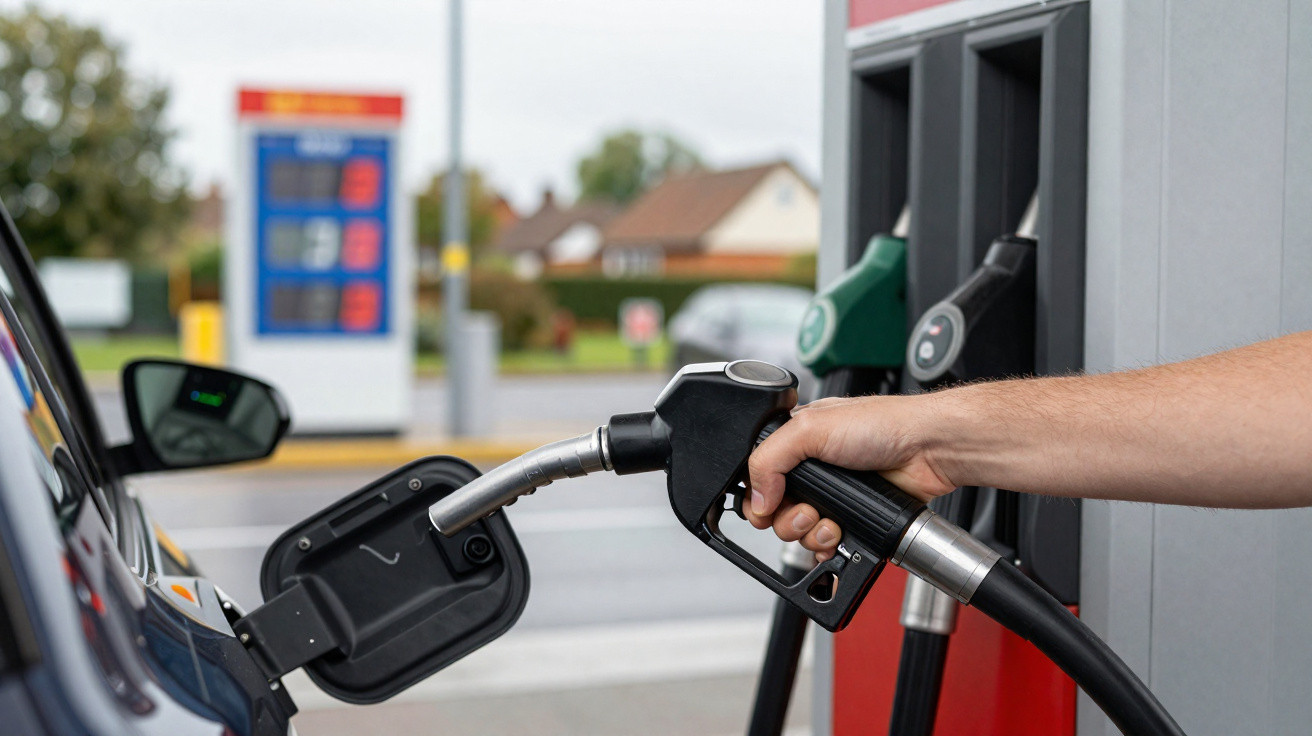
A fall in oil can sound like immediate relief for anyone facing an expensive fill-up. But a cheaper Brent crude quote does not automatically mean cheaper petrol or diesel by the next morning. The useful trick is to look beyond the headline: wholesale fuel prices, sterling against the US dollar and local forecourt competition usually matter more to the price you pay today.
The figures in the headline should be treated as a short-term market snapshot, not a guarantee. Even if oil has fallen by around 11% and some pumps have reduced prices for three days, it can take time for lower costs to work through the supply chain - and prices can rise again if supply concerns return.
A calmer oil market may ease pressure on pump prices, but it does not create an instant, pound-for-pound saving at every forecourt.
Why a fall in oil does not tell the whole story
Brent crude is the oil benchmark most closely followed in Europe, so its movement matters to UK fuel buyers. When its price rises sharply, traders may be factoring in the possibility of disrupted production, shipping delays or tighter supplies.
When it falls back, that can mean the market sees less immediate risk of a major shortage. It does not necessarily mean that more oil is suddenly available, or that the previous worries have disappeared. Markets often move on expectations as much as confirmed events.
An 11% retreat from a recent high would therefore be significant, but its effect depends on where the price was before the rise and how long the lower level lasts. A brief fall after a sharp spike may simply remove some of the extra price attached to uncertainty.
For drivers, the distinction matters. A market that has moved from panic to caution is not necessarily back to the stable, lower-cost conditions that make a substantial cut at the pump likely.
How lower oil prices reach UK forecourts
A litre of road fuel passes through several stages before it reaches your tank. Each can soften or delay the impact of a lower crude-oil price.
1. Oil and fuel are usually traded in US dollars
Oil is generally priced in dollars. If sterling falls against the dollar, UK buyers need more pounds to buy the same quantity of oil or finished fuel. That can offset some, or occasionally all, of the benefit from a lower dollar oil price.
A stronger pound can have the opposite effect, making imports less costly even when the oil price itself is fairly steady.
2. Crude oil must be refined into petrol and diesel
Drivers do not buy crude oil. They buy finished petrol or diesel, and those wholesale markets can move differently from Brent.
Refinery availability, maintenance work, transport bottlenecks and demand for particular fuel types all affect the cost of the finished product. A fall in crude may therefore be followed by a smaller fall - or no immediate fall - in wholesale diesel or petrol.
3. Fuel already in the supply chain may have cost more
Terminals, delivery firms and filling stations may be selling stock bought when wholesale prices were higher. They cannot replace every litre as soon as a chart moves.
The delay varies with stock levels, supply contracts and how quickly a forecourt sells fuel. It may be a matter of days, but it can be longer in some cases.
4. Tax and operating costs do not fall with crude
Pump prices include fuel duty, VAT, delivery, storage, staff and site costs, as well as the fuel itself. These elements do not shrink simply because oil becomes cheaper.
That is why a 10% fall in crude oil should never be expected to produce a 10% fall in the price shown on a forecourt board.
Why diesel can behave differently from petrol
Petrol and diesel are made from the same raw material, but they are not interchangeable products. Their wholesale prices can diverge sharply.
Diesel is widely used by haulage firms, agriculture, construction businesses and other commercial fleets. Demand across Europe, refinery output and the availability of transport can all affect its price.
If diesel supplies are tight, its wholesale price may remain elevated even after Brent has eased. That can leave diesel drivers wondering why the headline oil fall has not translated into a similar saving.
Cheaper crude helps, but the cost and availability of the finished fuel are often what determine the price at the pump.
What three days of lower pump prices really show
A few days of reductions are encouraging. They can indicate that some retailers are reacting to lower wholesale costs, or competing more actively with nearby sites.
But three days is not enough to establish a durable nationwide trend. Prices can vary substantially between a supermarket forecourt, an independent site, a rural station and motorway services. They may also start from very different levels.
Look at prices over a week or two rather than treating one cheaper fill-up as proof that the market has settled. It is also worth comparing petrol and diesel separately, as one may move faster than the other.
For a clearer picture, use current fuel-price comparison tools and check stations on journeys you were already planning to make. Recent prices matter: an old social-media post or screenshot can be misleading within hours.
What could keep pump prices high
Even where crude prices have fallen, several factors can limit savings or reverse them.
- Fresh disruption to production or shipping: perceived supply risks can return quickly.
- Refinery outages or maintenance: reduced output can push up wholesale petrol or diesel prices.
- A weaker pound: imports become more expensive for UK buyers.
- Higher seasonal demand: colder weather can raise demand for diesel and other refined products.
- Distribution costs: remote locations and longer delivery routes can add to local prices.
- Limited local competition: not every retailer changes prices at the same pace.
This is why fuel prices often move unevenly. A lower crude price on one day cannot immediately undo a steep wholesale increase from earlier in the month.
Common mistakes when following fuel prices
Fuel-market headlines are easy to overinterpret. Avoid these traps.
- Expecting a direct link between Brent and the pump. Crude is only one part of the final price.
- Ignoring the pound-dollar exchange rate. Currency movements can materially change import costs.
- Assuming every station will cut prices together. Supply arrangements and local competition differ.
- Panic buying after shortage rumours. Filling up only when necessary helps avoid adding pressure to a local disruption.
- Making a long detour for a tiny saving. Extra fuel, time and wear may outweigh the benefit.
- Relying on outdated price posts. Check the date, location and fuel grade before travelling.
- Running the tank very low while waiting for a reduction. It can leave you with fewer options and is especially unhelpful in poor autumn or winter weather.
Practical ways to spend less on the next tank
You cannot control oil markets, but you can reduce the effect of small price swings on your own motoring costs.
1. Compare prices on your usual route
Use a current comparison service, retailer app or local price information. The best saving is usually at a station you would pass anyway.
2. Use the fuel approved for your vehicle
Check the handbook and fuel flap before choosing petrol. E10 is suitable for many cars, but not every older vehicle or specialist engine. If you are unsure, check the manufacturer’s guidance rather than choosing solely on price.
3. Check tyre pressures regularly
Measure pressures when the tyres are cold and follow the manufacturer’s recommendation for the vehicle’s load. Correct pressures support safe handling and can help avoid unnecessary fuel use.
4. Drive smoothly and plan ahead
Avoid harsh acceleration, unnecessary idling and carrying items you do not need. Combining errands where practical can reduce mileage without making journeys rushed or unsafe.
5. Refuel safely
Switch off the engine, do not smoke or use naked flames, and follow the forecourt’s instructions. Take care not to overfill the tank, and clean any fuel spill from shoes or paintwork as directed by the site staff.
What to watch next
The most useful signs are a combination of factors: crude prices, sterling’s value against the dollar, wholesale petrol and diesel costs, refinery news and the direction of prices at nearby forecourts.
If lower oil prices persist, sterling remains reasonably firm and wholesale fuel costs ease, drivers may gradually see more reductions. If supply fears or refinery problems return, the relief may prove short-lived.
For now, regard a few days of lower prices as a welcome sign rather than a promise. Compare local prices, buy fuel safely when it fits your normal journey, and keep the car in good condition so each litre goes as far as it reasonably can.













Comments
No comments yet. Be the first to comment!
Leave a Comment