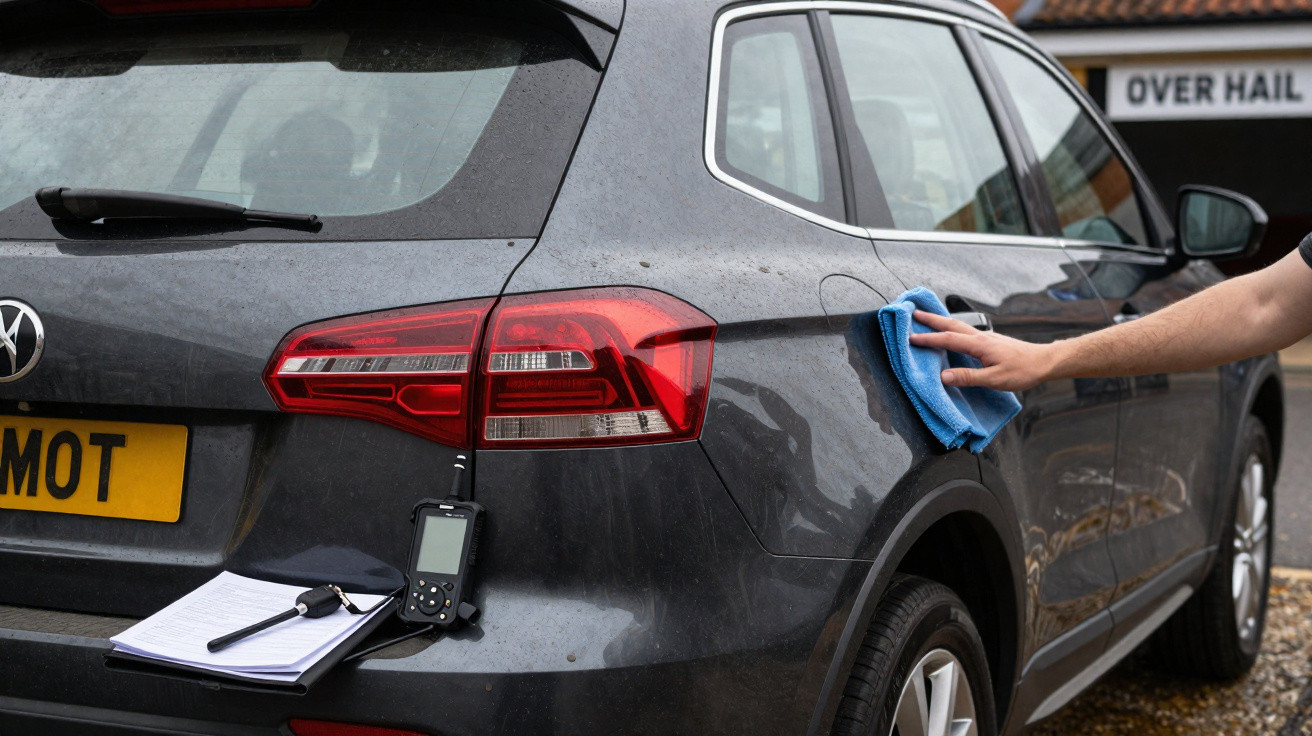
A diesel that once seemed the obvious choice for long journeys can now be hard to value with any confidence. Owners may see a disappointing part-exchange quote, dozens of similar cars online and warnings about clean-air charges, then wonder whether to sell, keep driving it or accept less than they expected.
The practical answer is not that every diesel has become worthless. Condition, mileage, emissions standard, service history, location and the way the car is sold all matter. The most useful approach is to treat an online valuation as a starting point, not a verdict: compare genuinely similar vehicles, obtain more than one real offer and consider how you will actually use the car.
A low instant-buying quote is usually a price for speed and convenience, not necessarily the highest sum your car could achieve.
Why diesel values can seem unsettled
Diesel cars are still common in the used market, particularly as estates, SUVs, larger family cars, vans and vehicles used for regular motorway driving. Yet there are fewer buyers for some diesel models than there were a decade ago.
Several factors can affect demand at once:
- Clean-air charges and restrictions can make the emissions standard more important than the badge or engine size.
- Fuel prices can change quickly, affecting what buyers feel comfortable running.
- Petrol, hybrid and electric alternatives give used-car buyers a wider choice.
- Heavy supply in some categories can make buyers more likely to negotiate.
- Potential maintenance work on older diesels can worry buyers, particularly where there is little evidence of servicing.
Common concerns include the diesel particulate filter (DPF), EGR valve, turbocharger, injectors and, on some models, the AdBlue system. None of these automatically makes a car a bad purchase, but uncertain repair costs can reduce what a buyer is prepared to pay.
Mileage and history matter more than a single number
A diesel with more than 100,000 miles is not automatically ready for retirement. A well-kept car that has covered regular longer journeys can be more appealing than a lower-mileage example used almost entirely for short urban trips.
However, higher mileage does narrow the market. Buyers will reasonably allow for wear in suspension components, brakes, tyres, clutches, automatic gearboxes and emissions equipment. A full service record cannot remove all risk, but it shows that the car has not simply been run until something failed.
What prospective buyers are likely to check
Its clean-air-zone status
Use the official checker for each zone you use. Do not assume compliance from the car’s age, fuel type or claimed Euro standard.Service invoices as well as the service book
Receipts for routine servicing, timing-belt work where applicable, gearbox servicing and recent repairs can provide useful reassurance.MOT history
This is available online and is commonly checked before a viewing. Repeated advisories for corrosion, tyres, brakes, suspension or emissions may lead to lower offers.Warning lights and the test drive
An engine-management light, DPF warning, limp mode, poor starting or rough running can put off buyers quickly. A proper diagnosis before advertising may prevent a sale falling through later.
Diesel can still suit the right journeys
Diesel remains a sensible option for some motorists, especially those who regularly travel longer distances, tow, carry heavier loads or spend substantial time on faster roads.
DPF-equipped cars generally need suitable running conditions for the exhaust system to operate as intended. Repeated short journeys, stop-start traffic and cold running can be a poor fit for some diesels. That does not mean every short journey will cause a fault, but it is worth considering if the car is mainly used for school runs and local errands.
The useful question is not “Is diesel finished?” but “Does this diesel suit the miles I expect to drive over the next few years?”
If most of your motoring is urban and your annual mileage is modest, a petrol car, hybrid or electric vehicle may be worth considering when you next change. But there is no need to replace a reliable, paid-off vehicle solely because of an alarming headline. The cost of changing cars can outweigh any benefit.
Find out what your car is really worth
A retail advertised price, a dealer’s part-exchange offer and a quote from an online car-buying service describe different transactions. Comparing them as though they are the same figure causes much of the frustration.
A more realistic valuation process
Obtain at least three offers
Try a national car-buying service, a local independent dealer and, where relevant, a franchised dealer. Describe mileage, specification, damage, missing keys and faults accurately.Look at comparable cars
Search Auto Trader, Motors and local dealer websites for vehicles with the same year, engine, gearbox, trim level, mileage range and clean-air-zone status. Remember that asking prices are not confirmed selling prices.Allow for convenience
A private sale may achieve more, but it also involves cleaning, photographs, enquiries, viewings, payment checks and paperwork. A lower dealer offer can be reasonable if speed matters.Price in work that is due soon
Tyres near the legal limit, a short MOT, overdue servicing or visible cosmetic damage will be noticed. Obtain quotes before deciding whether a repair is worth doing before sale.Read the terms of any online quote
Offers may expire and can be revised after inspection. Check what the company says about condition, finance settlement and collection before booking.
Sell now or keep it?
Trying to predict the entire used-car market is rarely productive. A straightforward ownership test is usually more useful.
Keeping the diesel may make sense if it is reliable, maintained, suitable for your usual journeys and compliant where you need to drive. It can also be the lower-cost option if replacing it would require substantial borrowing or would use savings needed for other priorities.
Selling could be sensible if clean-air charges are affecting regular journeys, most trips are very short, repair bills are becoming frequent, or you no longer need the space and motorway ability the car offers. The important point is to have a realistic plan for the replacement, rather than trading in under pressure.
For many owners, the sensible middle course is to maintain the car properly, keep its paperwork organised and plan the next change rather than rushing into the first low offer.
Check clean-air rules for your actual routes
There is no single UK-wide rule that bans diesel cars. Local schemes have different requirements, exemptions and charges, and they can change over time.
Before deciding that a diesel is difficult to keep, check its registration using the official website for every zone you enter regularly. London’s ULEZ and local clean-air-zone schemes elsewhere may affect vehicles differently, so hearsay from a neighbour or social-media post is not enough.
Check any replacement vehicle in the same way before committing to it. A newer diesel may be compliant in places where an older one is charged, but registration-based checking is safer than relying on the registration year alone.
Common mistakes diesel owners make
- Accepting the first online valuation without checking what sort of sale it represents.
- Advertising privately at the same price as a dealer, despite the dealer offering preparation, consumer rights and sometimes a warranty.
- Hiding faults or warning lights instead of disclosing them clearly.
- Assuming every DPF warning means the filter itself must be replaced.
- Ignoring MOT history, service invoices, spare keys and the locking-wheel-nut adaptor.
- Making a rushed replacement decision because a part-exchange offer is presented as urgent.
Protect the value and stay safe
If you intend to sell, clean the car thoroughly, remove personal belongings and gather paperwork in date order. Simple preparation helps, but do not spend heavily on cosmetic work without first considering whether you are likely to recover the cost.
Never remove, bypass or disable a DPF, EGR system or any other emissions-control equipment. It can make the vehicle unlawful to use on the road, cause an MOT failure and create further mechanical problems. Avoid unverified fuel additives and do not attempt repairs underneath a vehicle supported only by a jack.
When selling privately, be alert to payment scams. Meet buyers somewhere safe, confirm that funds have genuinely cleared in your bank account rather than relying on a screenshot, and notify DVLA promptly when the vehicle has been transferred.
A diesel does not need to be sold in panic. Establish a realistic value, check the rules for the journeys you actually make and make a planned decision based on your own motoring needs.













Comments
No comments yet. Be the first to comment!
Leave a Comment