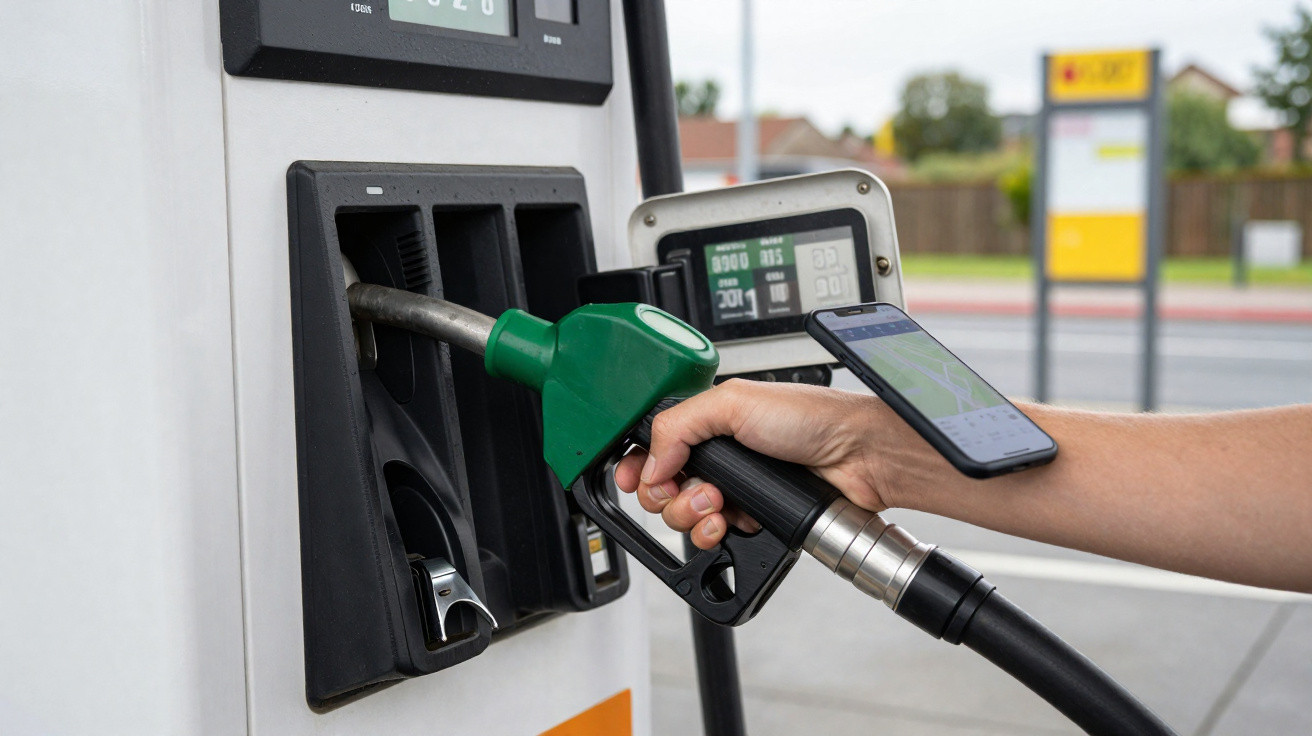
Petrol and diesel prices can make an ordinary journey feel needlessly expensive. Crude oil moves, the pound shifts, a refinery has a problem and the figures on the forecourt sign seem to jump - yet reductions can appear far more slowly.
The key is not to treat every price rise as the direct result of one headline. A litre at the pump includes wholesale fuel, distribution, retailer costs, profit margins, Fuel Duty and VAT. Oil companies, wholesalers, retailers and governments each affect different parts of that bill. For drivers, the most useful response is simple: compare nearby prices before filling up, avoid being forced into a costly stop, and focus on the fuel grade your car actually needs.
A rise in oil prices may feed through to the pump, but crude oil alone does not explain the price of a litre of petrol or diesel.
What makes up a UK pump price
Crude oil is usually traded internationally in US dollars, while UK drivers pay in pence per litre for refined fuel. Between the oil market and the forecourt are several costs and decisions.
The displayed price can include:
- crude oil and the pound-to-dollar exchange rate;
- refining and wholesale petrol or diesel prices;
- shipping, storage and tanker deliveries;
- forecourt staffing, rent, electricity and maintenance;
- retailer margins;
- Fuel Duty; and
- VAT, which is charged on the total price including duty.
This helps explain why a fall in crude oil does not necessarily produce an immediate reduction at every station. Fuel in underground tanks may have been purchased at an earlier wholesale price, and retailers do not all receive deliveries or change prices at the same time.
That does not mean every delay is automatically justified. Motorists are entitled to question whether lower wholesale costs are being passed on fairly, particularly where local prices remain high for a prolonged period.
Oil companies, wholesalers and forecourt operators
The phrase “oil multinationals” can make the system sound like a single, coordinated operation. In practice, the supply chain is mixed. Large energy companies may produce crude, run refineries, supply fuel and licence their brands to forecourts. But supermarkets, independent dealers, motorway operators and other businesses can set their own retail prices.
Two nearby stations may therefore charge different amounts despite buying fuel from broadly similar sources. Their costs, delivery arrangements, local competition, opening hours and commercial targets may differ.
The Competition and Markets Authority has examined road-fuel competition in the UK and highlighted concerns about how clearly savings from lower wholesale prices reach drivers. Its work is a reminder that a row of different logos does not necessarily guarantee strong price competition.
When comparing local forecourts, look for patterns rather than reacting to one day’s price:
- Is one station consistently dearer than rivals nearby?
- Are motorway prices markedly higher than those in the nearest town?
- Has a retailer reduced prices after wholesale costs eased?
- Does an apparent discount depend on a membership scheme or minimum spend?
The useful comparison is not a national average: it is the price at the stations you can reach without wasting fuel getting there.
What Klingbeil has to do with UK fuel prices
Lars Klingbeil is a German politician, and references to him belong to Germany’s domestic debate about fuel costs, taxation and the role of large energy businesses. He has no authority over UK forecourt prices.
For drivers in Britain, the relevant decisions are made by UK governments, regulators and businesses. Westminster can alter Fuel Duty, set VAT rules and introduce measures intended to improve price transparency and competition. It cannot dictate world oil prices, control sterling’s exchange rate or require every retailer to charge the same amount.
Germany and the UK also have different tax systems, currencies and fuel markets. A headline comparing a German and British pump price is of limited use unless it identifies the fuel grade, date, exchange rate and taxes included.
The wider point is valid on either side of the Channel: when politicians blame companies and companies blame global markets, drivers should ask which part of the final price has changed.
Why petrol and diesel do not always move together
Petrol and diesel come from crude oil, but they are separate refined products with their own wholesale markets and demand pressures. Their prices can move in different directions.
Diesel demand is influenced by freight, construction, farming and industrial activity. Petrol demand is more closely linked to private motoring, commuting patterns and holiday travel. Refinery maintenance, shipping disruption and severe weather can also affect the availability of one product more than another.
Do not assume that diesel should always cost less than petrol, or that either fuel will track crude oil at exactly the same pace. If you drive a diesel, follow diesel prices; if you drive a petrol car, compare the grade specified by its manufacturer.
How to read a fuel-price headline
A dramatic oil-market headline may be relevant, but it is rarely the whole story. Before changing your plans, check the detail behind it.
1. Check the currency
Oil is commonly priced in dollars. A weaker pound can make oil and imported fuel costlier for UK buyers even when the dollar oil price is unchanged. A stronger pound can soften the impact of a crude-price increase.
2. Look at wholesale fuel, not crude alone
The wholesale price of refined petrol or diesel is generally a closer short-term guide to the pump price than crude oil. Refinery outages or shifts in seasonal demand can affect refined-fuel prices independently.
3. Look over days and weeks
One sharp daily move may be noise rather than a trend. Compare prices over a fortnight or longer where possible, particularly if you are judging whether a local retailer has responded to changing costs.
4. Keep tax and retail pricing separate
Fuel Duty is a government charge. VAT is added to the sale. The remaining commercial element covers the fuel itself, operating costs and margin. Lumping all of these together makes it harder to see what has changed.
Five practical ways to reduce fuel spending
There is no dependable ‘best hour’ to buy fuel across the UK. Prices can change at different times and vary sharply between nearby retailers. Planning is more reliable than trying to predict a daily pattern.
1. Compare before a planned fill-up
Use a current fuel-price comparison service, a retailer app or local information before setting out. Check when the figure was updated, as reports can quickly become stale.
2. Avoid motorway service areas where practical
Motorway forecourts are convenient but can carry a premium. If you have sufficient fuel, consider filling up before joining the motorway or after leaving it.
3. Keep a sensible reserve
Running nearly empty leaves little choice when you encounter an expensive forecourt. Keeping enough fuel for a short detour gives you more options. It is not a reason to carry unnecessary fuel containers in the car.
4. Reduce wasteful journeys
Combining errands, walking short distances where suitable and avoiding prolonged idling can reduce fuel use. Short trips from a cold start are typically less efficient than a single planned journey.
5. Check tyres and driving style
Use the tyre pressures listed by the vehicle manufacturer, checked when tyres are cold. Smooth acceleration, anticipating traffic and avoiding harsh braking can help reduce fuel consumption.
Common mistakes that cost money
- Driving too far for a small saving. A lower price is not worthwhile if the detour uses more fuel than it saves.
- Choosing premium fuel by habit. Use the octane rating and fuel type specified in the handbook or on the fuel flap.
- Relying on an old price report. Check the time and date of the update before making a special journey.
- Overfilling after the nozzle clicks off. Stop at the first automatic click; topping up can spill fuel and may cause problems with vapour-recovery systems.
- Assuming supermarket fuel is unsuitable. Fuel sold legally in the UK must meet the applicable standards. The right choice is the correct specification for your vehicle at a competitive local price.
Forecourt safety and a calmer approach
Switch off the engine before fuelling. Do not smoke or use naked flames. Take care with static electricity: if you return to the vehicle while filling, touch a metal part of the car away from the filler before handling the nozzle again.
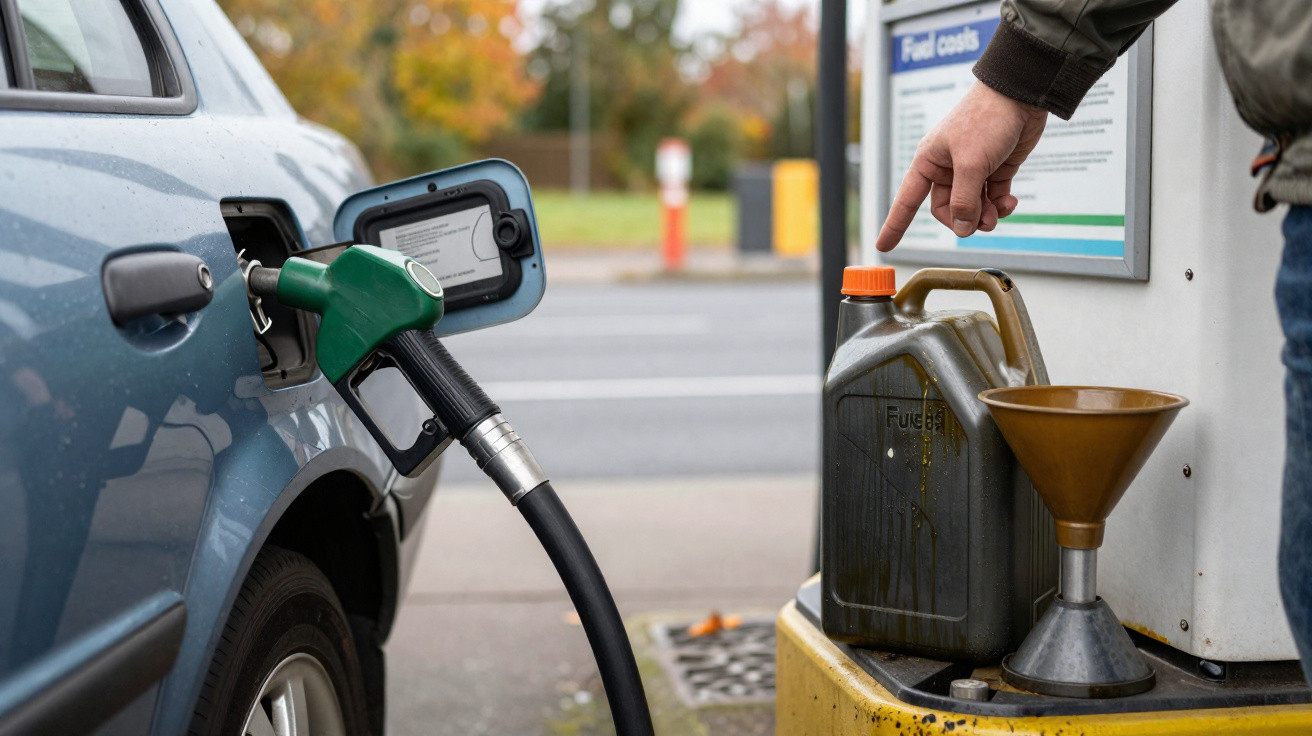
If fuel spills, inform forecourt staff and follow their instructions. Do not try to wash fuel into a drain. Petrol is highly flammable, so only use an approved container where necessary, transport it securely and follow the relevant storage guidance.
Most importantly, check the nozzle before filling. If you realise you have put the wrong fuel in the tank, do not start the engine. Tell the forecourt staff and arrange professional recovery or drainage.
High prices are frustrating, but panic-buying rarely helps. Build a routine around comparison, a sensible fuel reserve and basic vehicle maintenance. That will not remove the effect of oil markets, tax or retailer pricing, but it can prevent convenience and poor timing from adding still more to the cost of every journey.












Comments
No comments yet. Be the first to comment!
Leave a Comment