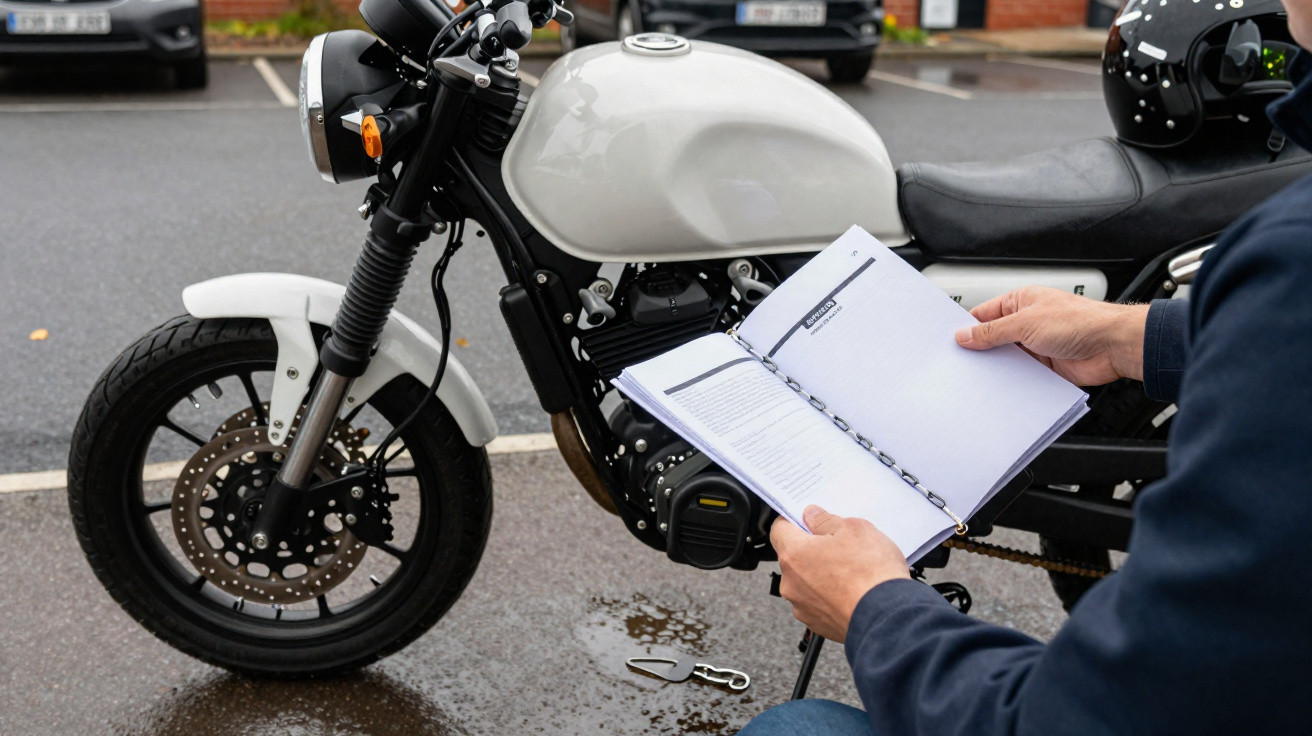
Buying a 125cc motorcycle usually means visiting a dealer, sitting on the bike and finding out who will service it. That is why a budget machine offered through a supermarket channel attracts attention: the price may look appealing, but the practical question is whether parts, warranty work and repairs will be straightforward afterwards.
PRIKE has appeared in German Lidl listings as a name attached to budget 125cc motorcycles and a scooter. That does not mean the same machines are available, approved or supported in the UK. For a British buyer, the deciding factor would be the route to registration and the quality of support after the sale - not the sticker price alone.
A cheap new motorcycle is only a bargain if you can have it serviced, repaired and kept safely on the road.
What is PRIKE?
PRIKE appears to be a retail badge rather than a familiar, long-established motorcycle maker. This is not automatically a reason to dismiss a bike. Many motorcycles are built by specialist factories and sold under different names in different countries.
The important detail is who stands behind the product in the UK. Before considering an unfamiliar model, establish:
- the legal manufacturer and UK importer;
- whether the bike has the documentation needed for registration with the DVLA;
- who handles warranty claims and recalls;
- where routine servicing and repairs can be done;
- how quickly spare parts can be supplied;
- whether workshops can access technical information and diagnostic equipment.
A German retail listing alone does not confirm any of these points for buyers in Britain.
The 125cc models listed in Germany
German listings have included two 125cc motorcycle-style models at the lower end of the market. Specifications and prices can change between sales campaigns, so they should be treated as advertised figures rather than guarantees for a UK version.
PRIKE PXS 125 Scrambler
The PXS 125 Scrambler has been advertised at €2,799. The published specification includes:
- a 125cc air-cooled four-stroke single-cylinder engine;
- fuel injection;
- claimed output of 7.3kW, or about 10hp;
- combined braking system (CBS);
- a 16.5-litre fuel tank;
- a quoted kerb weight of 152kg;
- a claimed top speed of 85km/h;
- claimed fuel consumption of 2.3 litres per 100km.
Its upright bars, chunky tyres and retro styling give it the look of a scrambler. The performance figures, however, suggest it would be best suited to local riding rather than regular high-speed journeys.
PRIKE PXA 125 Adventure
The PXA 125 Adventure has been listed at €2,999, with a similarly sized air-cooled engine and claimed output of about 10hp. It uses adventure-bike styling, with a taller, more upright appearance than the scrambler.
That riding position may suit commuters who want a good view through town traffic and enough room for practical luggage. But “adventure” styling should not be confused with long-distance capability. A 125cc machine with around 10hp will have limited acceleration on steep hills, into strong winds and when carrying a passenger or loaded top box.
A PRIKE 125 scooter has also appeared in German listings. Its availability, equipment and price should not be assumed to apply in the UK.
Would it suit British roads?
A 125 can be an excellent form of transport for urban and suburban journeys. It is easier to park than a car, uses relatively little fuel and can be less daunting for a newer rider than a larger motorcycle.
The advertised 85km/h top speed works out at around 53mph. That matters on British roads. A machine may legally use roads with higher limits, but riding close to its maximum speed leaves little reserve for hills, headwinds, overtakes or changing traffic conditions.
The likely sweet spot would be:
- town and city commuting;
- 20mph and 30mph roads;
- quieter rural lanes;
- short trips to work, college or the station;
- riders with secure parking at home.
It would be a less natural choice for frequent motorway travel, long cross-country rides or regular two-up trips with substantial luggage.
For many first-time riders, a nearby workshop and readily available parts are worth more than a modest saving at the checkout.
Licence and registration checks in Great Britain
UK rules must be checked separately from any German marketing material. In Great Britain, a learner normally needs Compulsory Basic Training (CBT) before riding a 125cc motorcycle or scooter on public roads with L plates.
A rider aged 17 or over may ride a learner-legal 125cc motorcycle after completing CBT, provided it does not exceed 11kW and the relevant learner conditions are met. Passing the A1 motorcycle test permits riding a 125cc machine without L plates and carrying a pillion passenger. Full A2 and category A motorcycle licences also cover 125cc motorcycles.
A standard car licence does not normally give someone the right to ride a modern 125cc motorcycle without CBT or an appropriate motorcycle entitlement. Check the current guidance on GOV.UK and speak to an approved motorcycle training school before paying a deposit.
The bike would also need to be correctly registered, taxed, insured and fitted with number plates before use on public roads. Riders need a suitable helmet and sensible protective clothing; gloves, boots, a proper jacket and trousers are not luxuries in wet or cold British weather.
The ownership test: support after the sale
A motorcycle is not like a household appliance. It is exposed to potholes, rain, road salt, vibration and occasional low-speed knocks. It needs servicing, tyres, brake maintenance, chain adjustment and quick attention when something feels wrong.
Questions to ask before you buy
- Who carries out the pre-delivery inspection? The motorcycle should be professionally assembled and safety-checked, not simply handed over in a crate.
- Where is the nearest authorised workshop? Ask for an address and contact details, rather than relying on a general customer-service line.
- What happens during a breakdown? Confirm who diagnoses faults and how the bike gets to an approved repairer.
- Are parts stocked in the UK? Levers, mirrors, indicators, panels, brake parts and sensors can all be needed after minor damage.
- What servicing protects the warranty? Get the intervals, expected costs and conditions in writing.
- What paperwork is supplied? For a new UK bike, make sure the documents allow registration, taxation and insurance without avoidable delays.
An independent motorcycle garage may be happy to do routine work, but ask before buying. Some will reasonably avoid unfamiliar models if wiring diagrams, parts catalogues and diagnostic support are unavailable.
Common mistakes when buying a bargain 125
A low purchase price can encourage rushed decisions, particularly when an offer is time-limited. Watch for these common errors.
- Comparing only the ticket price. Allow for delivery, registration, number plates, insurance, security, riding kit, servicing and tyres.
- Assuming an overseas deal is ready for British use. Importing and registering a motorcycle may involve approval documents, tax, insurance and additional administration.
- Ignoring local support. Find out where the bike would be repaired before choosing its colour or accessories.
- Buying for motorway commuting without trying similar bikes. Rider weight, wind, gradients and traffic make a major difference to how a modestly powered 125 feels.
- Overlooking security. A quality chain, disc lock, ground anchor where practical and careful parking can help reduce the risk of theft.
- Taking fuel figures as a promise. Cold starts, short journeys, tyre pressures, load and riding style all affect real-world consumption.
Safety and practical checks
If a PRIKE model reaches the UK through an authorised route, inspect it as carefully as any other new motorcycle. Check panel fit, switchgear, visible wiring, tyre date codes, brake feel, chain adjustment and the operation of lights, indicators, horn and instruments.
On a proper test ride, pay attention to the clutch, slow-speed control, braking response, vibration at 40–50mph and whether the seat-to-handlebar relationship suits your height. A brief lap of a car park is not enough to judge a commuter bike.
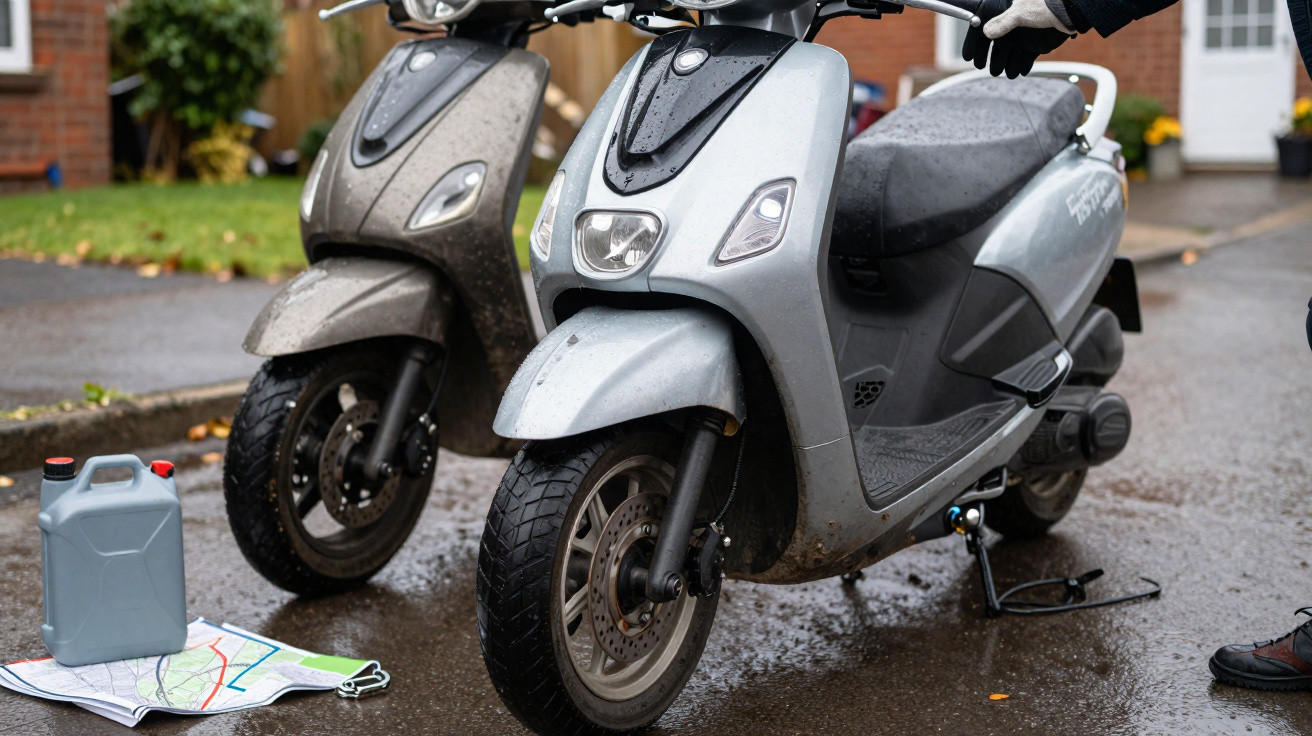
After purchase, follow the running-in schedule and check tyre pressures when cold. In winter, rinse road salt from the motorcycle regularly, dry it and use an appropriate corrosion-protection product. Avoid aiming a pressure washer at bearings, seals, electrical connectors and the chain.
So, would we buy one?
The PRIKE concept is interesting because it puts a new-looking 125cc motorcycle into a price range that will appeal to commuters and newer riders. The scrambler and adventure-style models have simple specifications and styling that many people will find attractive.
For a UK buyer, though, the answer would be conditional. It would need a clearly identified importer, straightforward DVLA registration, transparent warranty terms, a real service network and readily available spares. Without those essentials, a slightly dearer 125 from a local dealer with an established workshop may be the more sensible everyday purchase.
Make a shortlist, get insurance quotes, sit on the alternatives and visit the workshop that would maintain the bike. The best-value motorcycle is one you can ride confidently, look after properly and get repaired without a lengthy wait.





Comments
No comments yet. Be the first to comment!
Leave a Comment