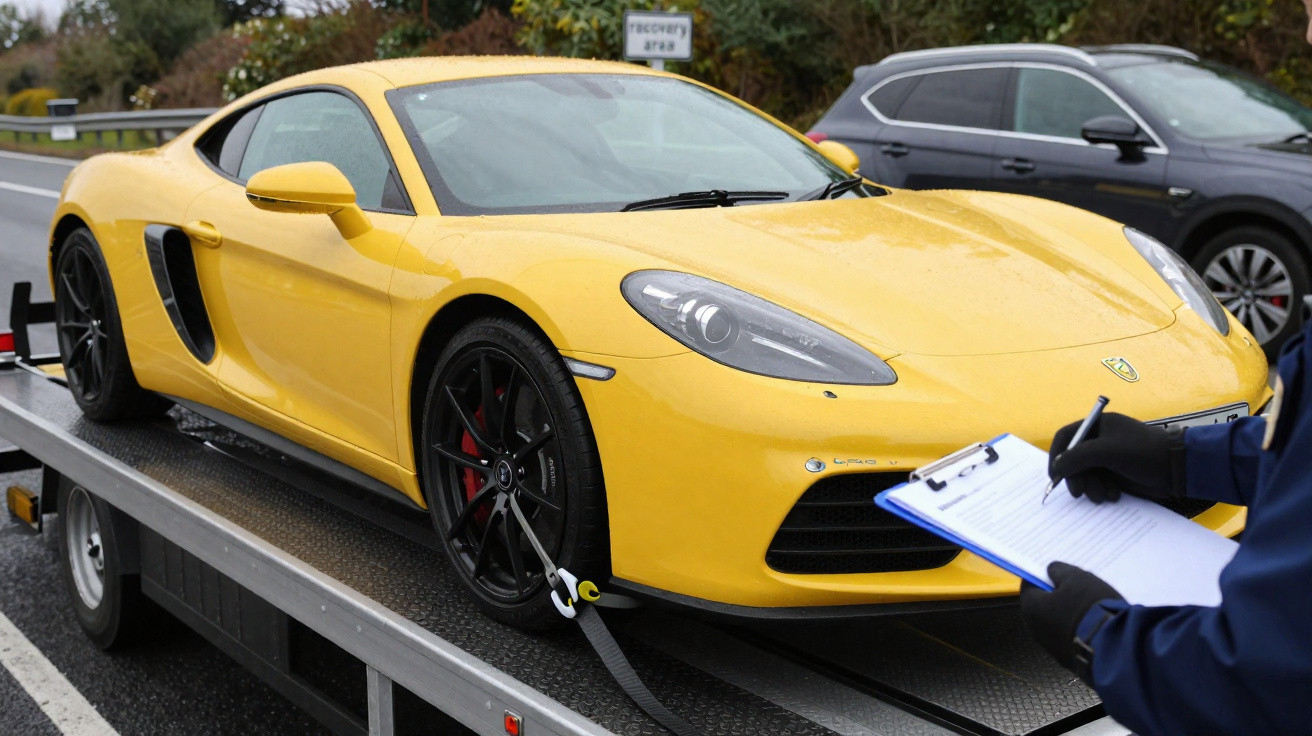
A car travelling far below the flow of motorway traffic can be hazardous, particularly when the low speed is deliberate and combined with sudden braking, lane-blocking or aggressive acceleration. That is the concern raised by a reported Greater Manchester incident involving five Lamborghini Huracáns and a Mercedes G-Class, where drivers were alleged to have carried out erratic manoeuvres before slowing to about 27 km/h (17 mph).
A supercar does not come with different road rules. On a public road, the badge, price and performance of a vehicle are irrelevant: driving that puts others at risk can lead to an investigation, recovery charges, prosecution and, in certain circumstances, seizure.
Why 27 km/h can be dangerous on a motorway
There is no general minimum speed limit on UK motorways. Drivers may need to slow down because of congestion, poor visibility, a vehicle problem or an incident ahead. But motorists must still drive with reasonable consideration for others and maintain proper control.
At around 27 km/h, a vehicle on a live motorway can create a serious closing-speed risk. A driver approaching at normal motorway speed may have much less time than expected to brake or move safely into another lane. Rain, spray, darkness and bends make that risk greater.
The concern becomes more serious where slow driving is paired with deliberate behaviour such as:
- abrupt braking or slowing without a clear reason;
- driving in formation to occupy several lanes;
- wheelspin, skidding or burnouts;
- rapid acceleration runs;
- weaving between lanes;
- using a phone to film while driving; or
- distracting other road users for social-media footage.
Being below the speed limit does not automatically make a manoeuvre safe. On a motorway, predictability, space and control matter just as much.
What was reported near Manchester
The incident was reported to have taken place on the M66 in Greater Manchester. Police accounts described a group of high-performance vehicles being stopped after allegations of dangerous or antisocial driving, including tyre-spinning, sharp changes in speed and erratic manoeuvres among normal motorway traffic.
The vehicles mentioned were five Lamborghini Huracáns and a Mercedes G-Class. Their performance was not the issue in itself. The concern was the alleged way in which the road was used.
Groups of cars can create an additional hazard because one driver's actions may prompt others to copy them. A sudden acceleration, brake application or lane change can quickly become a chain reaction, leaving other motorists with little warning and limited room to respond.
How police can respond to antisocial driving
Police can use a range of powers when they suspect careless, inconsiderate, dangerous or antisocial driving. The action taken will depend on the evidence, the circumstances, the driver's history and whether other offences are suspected.
In England and Wales, section 59 of the Police Reform Act 2002 is often associated with antisocial vehicle use. In broad terms, it can apply where a vehicle is used in a way that breaches certain road traffic requirements and causes, or is likely to cause, alarm, distress or annoyance to members of the public.
A previous warning can be relevant to a later section 59 seizure, but it is not sensible to assume that every incident results in a warning first. Police may use other powers where they believe the legal conditions are met, including where there are concerns about insurance, roadworthiness or serious driving offences.
Possible outcomes can include:
- a report for driving offences;
- an arrest in serious circumstances;
- recovery or seizure of the vehicle;
- checks on tyres, lights, number plates and vehicle condition;
- checks of driving entitlement and insurance;
- fixed penalties or a court case; and
- recovery, storage and administrative charges.
An expensive vehicle is not protected from recovery powers. What matters is whether the legal conditions for action have been met.
What to do if police stop you
How you respond at the roadside matters. Do not try to drive away, argue aggressively or encourage passengers and friends to interfere with officers.
1. Stop safely when directed
Indicate if it is safe to do so, reduce speed smoothly and follow the officer's instructions. Do not stop on a motorway hard shoulder, emergency area or live lane unless directed, or unless there is an emergency.
If you break down or have to stop unexpectedly, use hazard warning lights where appropriate, get behind a safety barrier if it is safe to leave the vehicle, and contact National Highways or emergency services as needed. Never attempt to walk along live motorway lanes.
2. Stay calm and avoid sudden movements
Keep your hands visible, switch off the engine if asked and do not leave the vehicle unless instructed. Put your phone away rather than filming or livestreaming the encounter.
3. Give accurate information
Police may ask for your name, address and details relating to the vehicle. Do not provide false information or assume that a friend's assurance about insurance is enough. If you are unsure whether you are insured to drive a particular vehicle, do not drive it.
4. Keep the paperwork
If your vehicle is recovered or seized, retain every document you are given. Note the reference number, police force, recovery operator, pound address and deadlines. Taking a clear photograph of paperwork can be useful, provided it is safe and does not delay the stop.
5. Seek independent advice where necessary
If you are accused of a serious driving offence or dispute the basis for a seizure, obtain independent legal advice promptly. This is general information, not legal advice; the details of an individual case can make a substantial difference.
Recovering a seized vehicle: do not delay
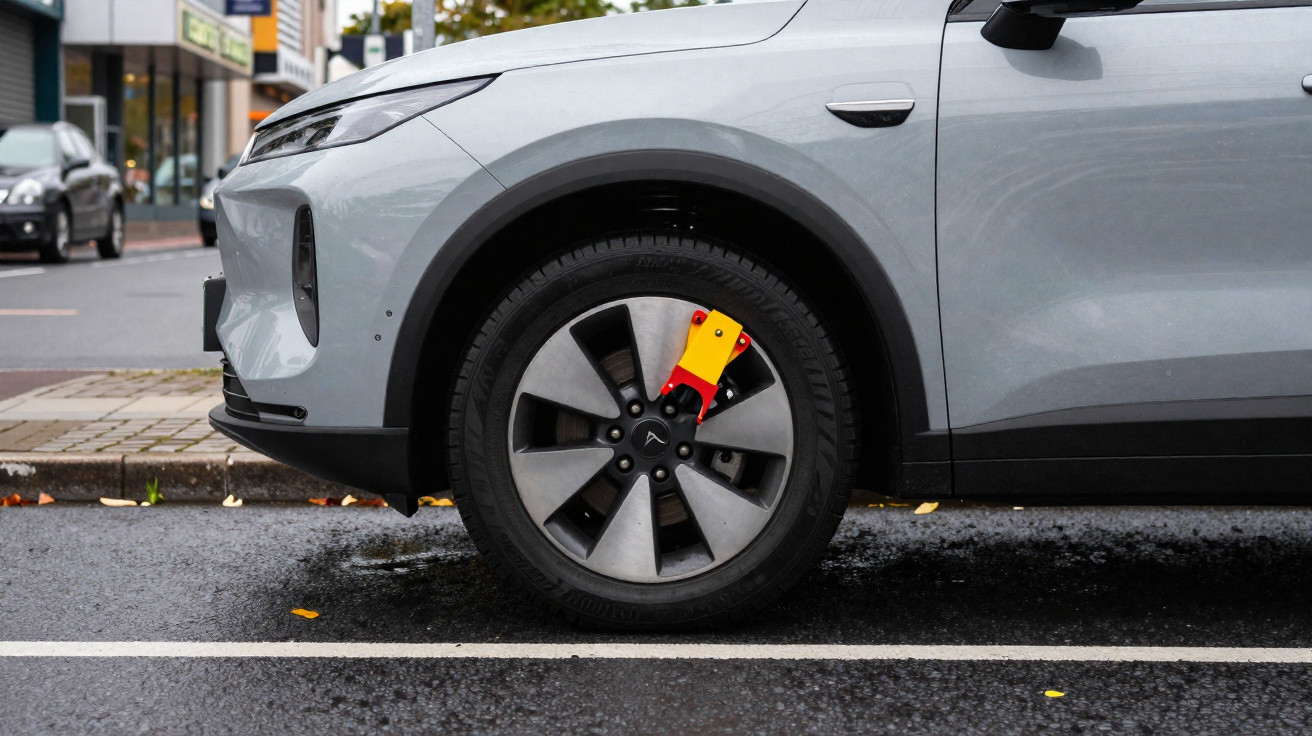
A seized vehicle is normally taken to a designated pound or storage site. The notice should explain what you need to do, where the vehicle is held and any relevant deadlines.
Do not assume that every force follows identical timescales or document requirements. Contact the force or recovery operator named on the notice as soon as possible, and ask what is needed before travelling to the pound.
You may be asked for:
- the seizure notice or reference number;
- photographic identification;
- a valid driving licence;
- proof of ownership or keeper details, such as a V5C where available;
- valid insurance for the person collecting or driving the vehicle; and
- written authority if the registered keeper cannot attend.
Storage charges can continue while a vehicle remains uncollected. In some circumstances, an unclaimed vehicle may eventually be disposed of under the applicable rules. Acting promptly and bringing the correct documents can prevent unnecessary delays and costs.
Common mistakes drivers make
The biggest mistake is treating a group drive as a private event simply because everyone in the convoy appears willing to take part. Other road users have not agreed to be involved and may be forced to react to dangerous behaviour without warning.
Other avoidable errors include:
- assuming an empty-looking motorway is suitable for acceleration runs;
- thinking low speed excuses deliberate blocking or sudden braking;
- copying a manoeuvre because another driver has done it first;
- allowing passengers to distract the driver while filming;
- failing to check that every driver is properly insured; and
- ignoring a seizure notice while storage charges increase.
UK autumn and winter conditions demand particular care. Standing water, spray, wet leaves near slip roads, low sun and early darkness can all reduce grip and visibility. Tyre condition, tread depth and appropriate pressure matter, especially in powerful rear-wheel-drive cars.
Keep performance driving off public roads
A group outing in a powerful car can be enjoyable without turning into a display for cameras. Set meeting points away from live carriageways, leave generous gaps, avoid convoy-style lane-blocking and let faster traffic pass without pressure.
Drivers who want to explore a vehicle's limits should choose a properly organised track day or driver-training event. A controlled venue offers briefings, marshals, rules and run-off areas that a public motorway simply cannot provide.
Before a longer drive, check tyres, lights, fluids, fuel range and insurance arrangements. Most importantly, agree in advance that nobody will race, brake-test, block lanes or perform for footage. It protects other road users, protects your licence and may help keep your vehicle out of a recovery pound.




Comments
No comments yet. Be the first to comment!
Leave a Comment