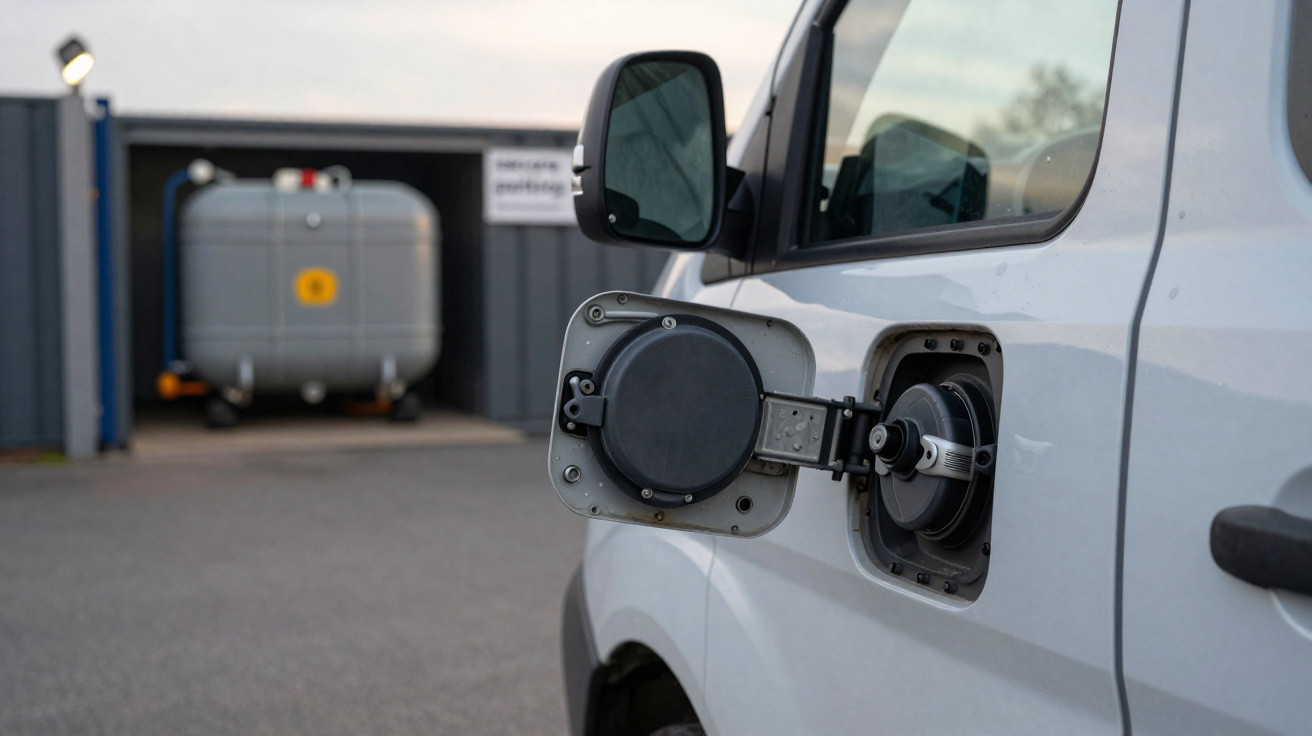
A drained diesel tank can put a van, tractor, lorry or generator out of action before the day begins. For homes with oil-fired heating, stolen heating oil can be equally disruptive, especially during a cold spell. The most useful approach is layered security: make fuel harder to reach, harder to remove and more likely to draw attention.
You do not need to begin with expensive equipment. A better parking position, decent locks, suitable lighting and regular checks can all reduce easy opportunities for theft. The aim is not to guarantee prevention, but to avoid making your vehicle or tank the simplest target.
Why fuel stores can be vulnerable
Diesel and domestic heating oil are valuable, transferable fuels. Larger vehicle tanks, agricultural machinery, plant equipment and fleet vans may be targeted when they are left overnight in quiet yards, roadside parking areas or isolated lay-bys.
Heating oil tanks can be vulnerable too, particularly at rural properties where a tank is set well away from the house or can be approached from a lane, field or driveway. Theft may involve siphoning from an accessible point, but attempts to force fittings or damage pipework can also cause a leak.
The consequences go beyond replacing fuel. A vehicle may be immobilised, work can be delayed, and spilled oil can pollute soil or drains. Any suspected damage therefore needs treating as both a security issue and a potential safety problem.
Good fuel security is mainly about removing easy opportunities: visibility, delay and regular checks all count.
Start with where you park
The overnight location of a vehicle is often the most important decision. A locking cap is useful, but it cannot fully offset parking in a dark, isolated place with easy access for another vehicle.
For drivers and fleet operators, look for parking that offers as many of these features as possible:
- Lighting that covers parking bays and access routes, rather than only the entrance.
- CCTV covering the vehicle and approaches, with recordings checked and retained appropriately.
- Controlled access, locked gates, barriers or an attended site.
- Legitimate activity nearby, rather than a completely deserted area.
- A parking position that does not leave the filler side exposed to a road or public footway.
At a depot or private yard, park with the fuel filler side close to a wall, fence or another securely parked vehicle where it is safe to do so. Do not obstruct access routes, fire exits or manoeuvring space. The point is simply to make it less convenient for somebody to stand beside the tank unseen.
Do not assume that gates alone make an industrial estate secure. Check that they are actually locked overnight, that fencing has no obvious gaps and that cameras cover useful areas rather than just a distant entrance.
Make vehicle fuel harder to access
Physical security buys time. Someone attempting to steal fuel usually wants a quick, quiet exit, so even modest barriers can discourage an opportunistic attempt.
1. Use equipment made for the vehicle
Depending on the vehicle or machinery, consider:
- A robust locking fuel cap designed for the specific filler neck.
- A compatible fuel-cap guard or anti-siphon device fitted in line with the manufacturer’s instructions.
- Secure storage for portable tanks, bowsers, transfer pumps and hoses.
- Fuel-monitoring or telematics systems that flag unusual changes in fuel level.
A locking cap is not indestructible, and forcing one can damage the filler area. It remains a sensible first layer because it adds delay and can deter casual theft.
2. Control keys, cards and access
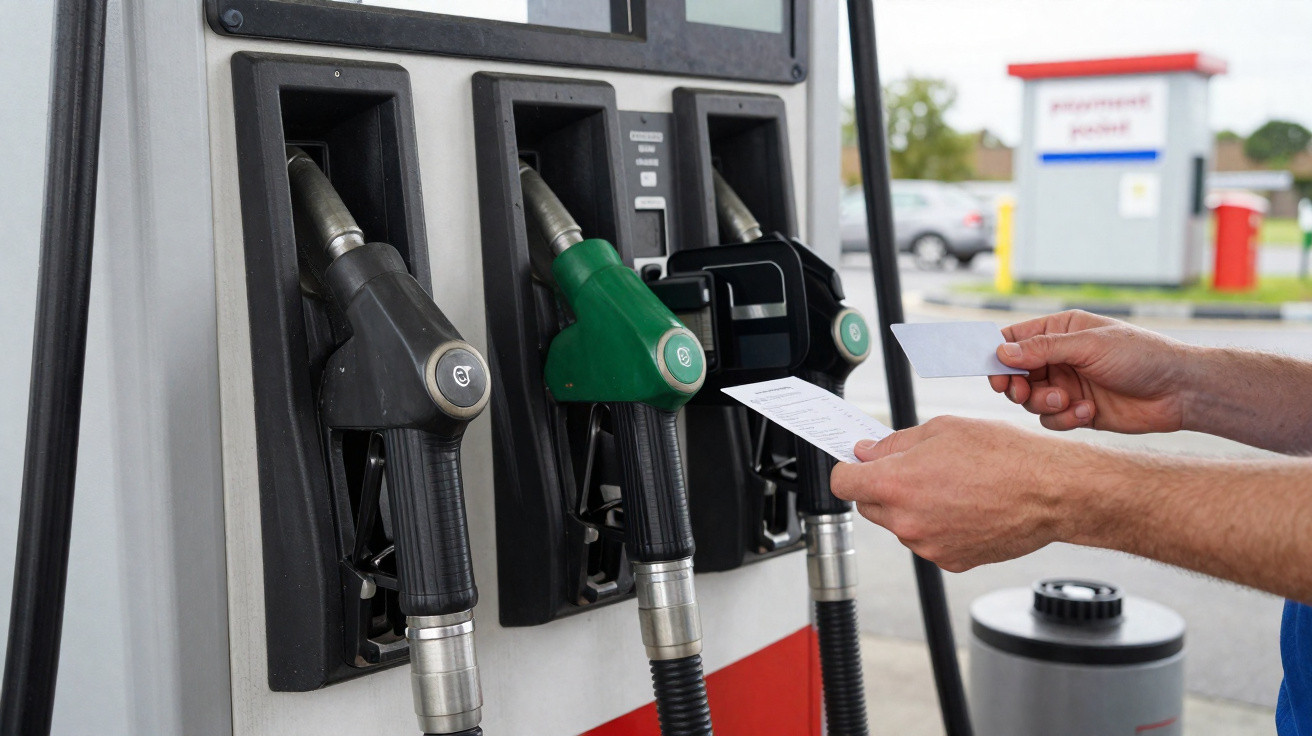
Keep spare keys, fuel cards and site fobs in a locked location. In a business, maintain a straightforward record of who can use each vehicle and investigate unexplained fuel use promptly. This will not prevent siphoning, but it can distinguish external theft from unauthorised use or a recording error.
3. Secure portable fuel
Do not leave jerry cans, pumps or hoses in an open pick-up, an unlocked shed or beside machinery. Fuel containers should be suitable for the fuel being stored, kept upright and secured away from ignition sources. Poor storage creates both a theft opportunity and a fire risk.
Protect a domestic heating oil tank
Treat a heating oil tank as an external fuel store, rather than just another garden feature. View it from the road, driveway and nearby paths: could someone reach it easily, work unseen or reverse a vehicle close to it?
A lockable fill cap, secure boundary gate and suitably designed enclosure can help. Before adding locks, fencing or a housing, check that oil deliveries, maintenance and tank inspections can still be carried out safely. Do not block access to safety equipment or alter pipework yourself; use a competent heating-oil tank installer where work is needed.
Motion-activated lighting can make an approach more conspicuous when aimed at the route to the tank. Avoid shining lights directly towards neighbours’ homes or the road. Cameras can also help, provided they give a useful view of the tank and access route. For homes, position domestic CCTV carefully to avoid unnecessarily recording neighbouring private areas. Businesses should also consider their data-protection responsibilities.
Planting may reduce casual visibility from the street, but do not surround the tank with dense shrubs. Clear space makes deliveries, maintenance and leak checks easier, and avoids creating cover for an intruder.
A sudden change in the oil level is easier to investigate when you notice it quickly, not weeks after the event.
Create a simple checking routine
Fuel theft is sometimes discovered only when a vehicle will not start, the heating runs out or a delivery does not last as expected. A brief, consistent routine can reveal an irregularity sooner.
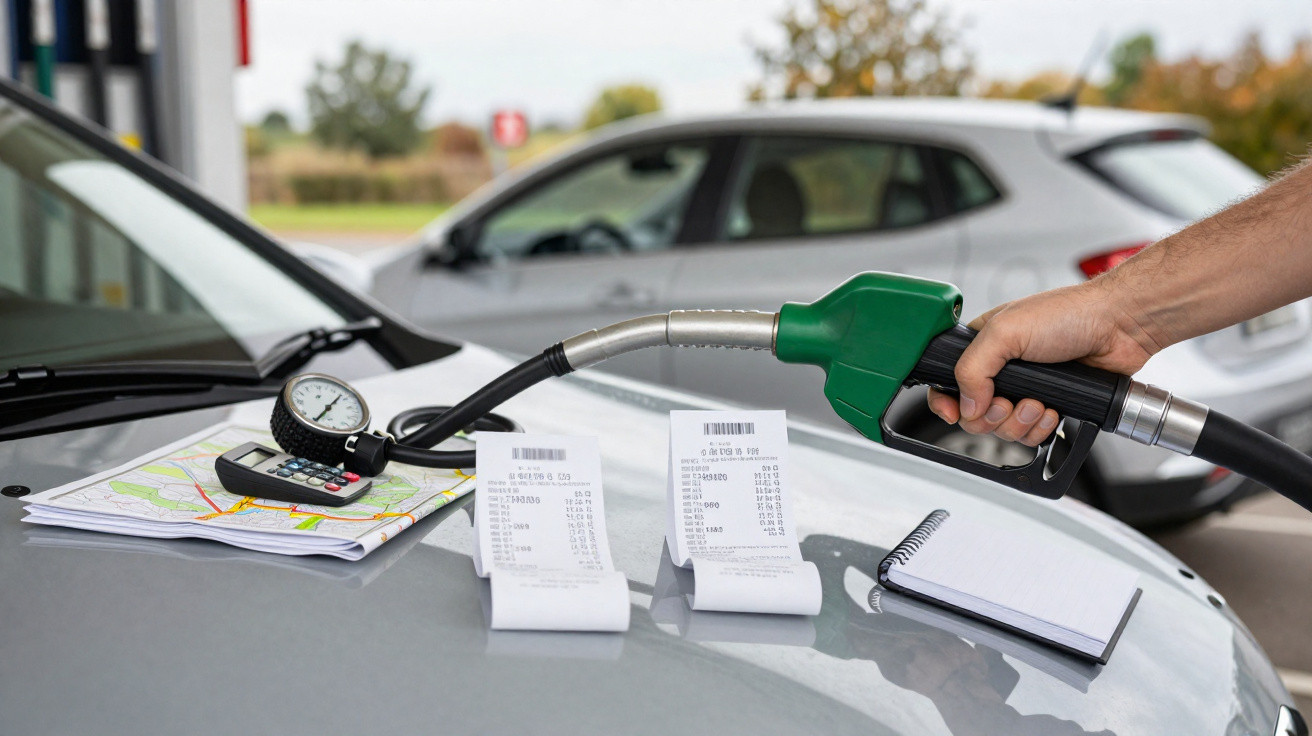
For vehicles, record mileage and fuel level at the end of a shift where practical. Telematics may give more detail, but a manual record can still highlight a sharp unexplained fall.
For heating oil, check the gauge regularly and note the reading after each delivery. Electronic monitors can provide alerts, but do not rely on them alone: gauges, batteries and sensors can fail. A visual check of the tank, fittings and surrounding ground is worthwhile.
Take particular care after a delivery, when a fuller tank may be more attractive. If the reading drops unexpectedly, look for oil smells, wet ground, staining, damaged pipework or disturbed locks. Do not assume a low reading is theft before considering the possibility of a leak.
If you find theft or damage
Do not confront anyone you suspect of stealing fuel. If a crime is in progress or there is an immediate danger to people or property, call 999. Otherwise, report the incident to the police through 101 or your local force’s online reporting service. A crime reference number may be needed for an insurance claim.
Take photographs from a safe distance before moving anything, if it is safe to do so. Record the date and time, estimated quantity lost, vehicle registration or tank details, and visible damage. Save CCTV footage promptly, as many systems overwrite recordings automatically.
If you see a suspicious vehicle, note its registration, colour, make and direction of travel only if you can do so safely. Do not follow it, block it in or try to recover fuel yourself.
Deal with spills cautiously
A damaged tank, hose or filler can release oil onto soil or into drains. Keep people, pets and ignition sources away. Do not smoke, use naked flames, start vehicles nearby or attempt an improvised repair.
Contact your heating-oil supplier, tank engineer or another suitably qualified contractor for advice. If oil has reached a drain, watercourse or the ground, seek urgent guidance from the relevant environmental authority or local council. In England this may be the Environment Agency; Scotland, Wales and Northern Ireland have their own environmental regulators. Call 999 if there is a fire or an immediate threat to life.
Common mistakes that leave fuel exposed
Several common measures provide less protection than they seem to.
- Relying on one lock: A locking cap is helpful, but works best alongside sensible parking, lighting and checks.
- Leaving the filler side openly accessible: Convenience can give thieves an easy working position overnight.
- Assuming any camera is enough: Poor positioning, weak lighting or overwritten footage limits its usefulness.
- Hiding a heating tank completely: A tank out of sight may also be out of view of neighbours and householders.
- Ignoring a sudden level drop: Investigating promptly can limit disruption and identify a leak sooner.
- Using unsecured cans or drums: Portable fuel is easy to steal and hazardous to store badly.
- Cleaning up a major spill alone: Household absorbents are not an adequate response to a significant release of oil.
A practical plan for tonight
Walk around your vehicle, yard or heating oil tank after dark and ask three questions: can someone reach the fuel point easily, can they work there unseen, and can they leave quickly?
Start with the straightforward improvements. Lock the cap or fill point, reposition vehicles where safe, clear the camera view, test external lighting and begin recording fuel levels. For businesses, make these checks part of the end-of-day routine. For households, add the oil tank to regular property checks, particularly during autumn and winter.
No security measure can eliminate risk entirely. Layered precautions can, however, make theft less convenient and help you spot a problem before it becomes a more costly disruption.








Comments
No comments yet. Be the first to comment!
Leave a Comment