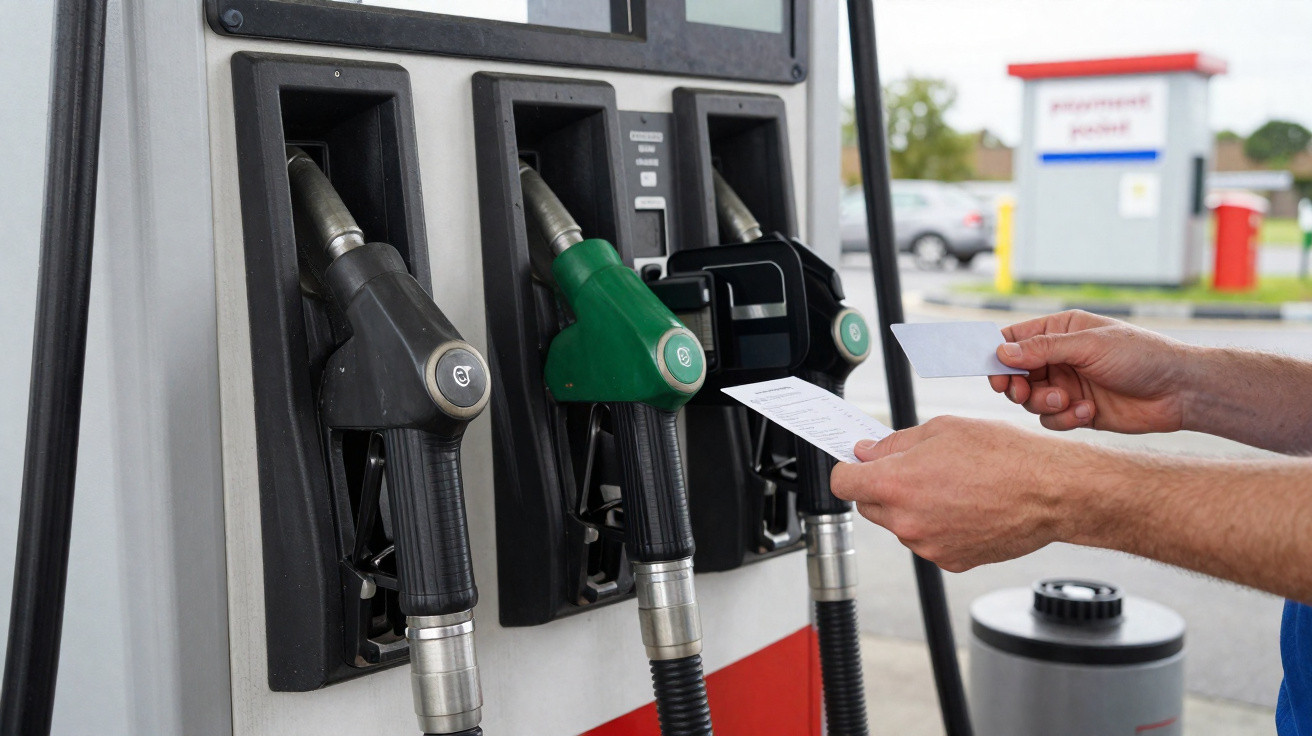
An offer of diesel at £1 a litre would make many drivers look twice, especially when fuel bills are putting pressure on household and small-business budgets. But a price far below the figure on the pump can be a warning sign, not a bargain.
The safest rule is straightforward: buy fuel through a normal, recorded transaction at a filling station, using your own authorised payment method. If someone wants to use another person’s fuel card, take cash afterwards or fill containers for resale, walk away.
If the saving relies on someone else operating the pump or presenting a card that does not appear to be theirs, it is a risk rather than a deal.
What is alleged to have happened?
Reports from Austria describe allegations involving a 29-year-old man and a fuel card belonging to a Croatian haulage company. He is alleged to have used the card to obtain diesel and to have offered fuel to other people for one euro per litre.
According to the reports, the card was used 136 times between September 2025 and January 2026, obtaining about 54,000 litres of diesel. The reported loss was around €68,000.
The case concerns allegations, rather than proven facts, and the man is presumed innocent unless and until a court finds otherwise. Reports refer to fraud-related allegations and the alleged suppression of documents.
While this is an Austrian case, the basic warning signs apply in the UK too. Fuel cards are used by fleets, tradespeople, delivery businesses and hauliers. Misuse can result in unexpected bills, disrupted operations and an investigation for the cardholder and those involved in questionable transactions.
Why a cheap fuel-card offer should raise questions
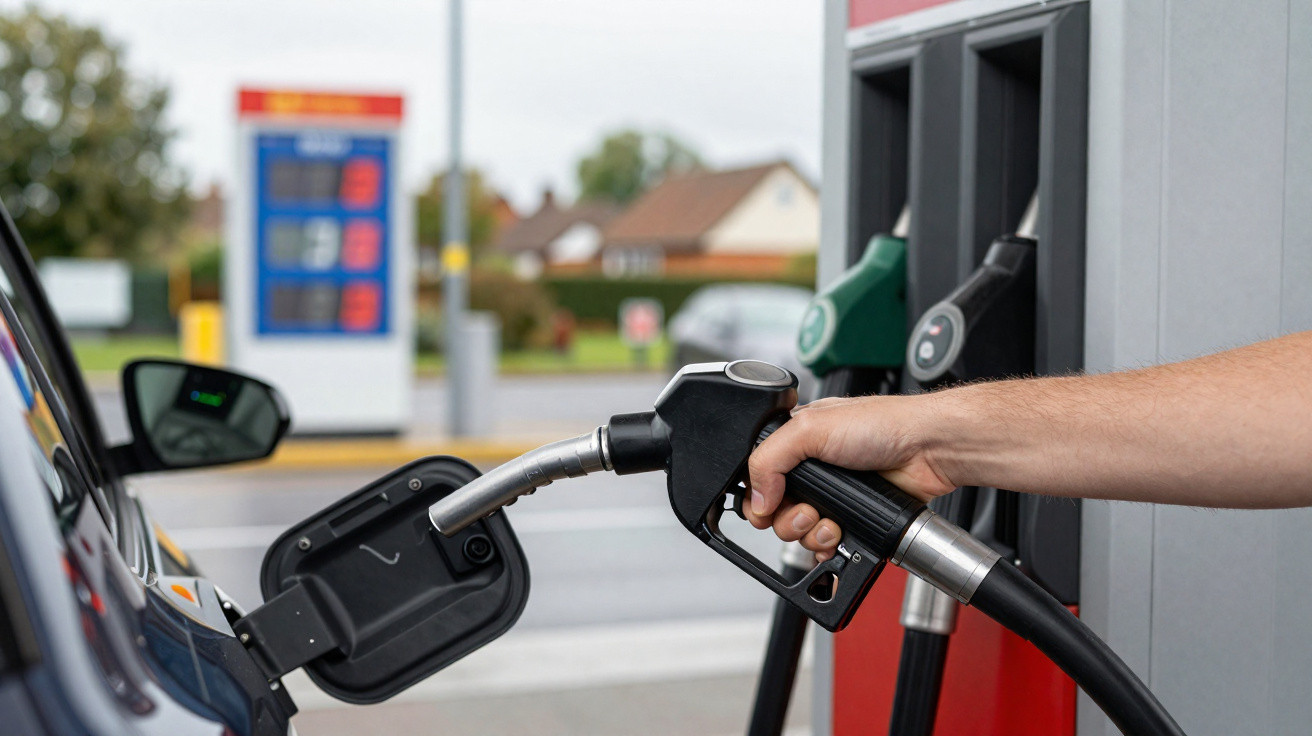
A legitimate discount should have a clear explanation. It might be a supermarket promotion, a loyalty offer, a business fuel-card arrangement or a price shown in a fuel-price app. The conditions should be visible, the payment should be authorised and the transaction should produce a proper receipt.
A suspicious arrangement often works differently. A person may say that they can “put fuel through” cheaply, ask you to meet at a certain pump, demand cash or a bank transfer, or insist that the arrangement stays private.
Be cautious if someone:
- offers fuel far below nearby pump prices;
- says they can use an employer’s, fleet or company card for you;
- asks you to pay them rather than the filling station;
- holds the card and controls the transaction themselves;
- wants to fill jerry cans or drums in quantity;
- pressures you to act quickly because the card will supposedly stop working; or
- cannot provide a normal receipt showing the location, date, fuel type and amount.
A trade rate or employee benefit does not usually entitle someone to resell fuel to strangers or friends.
The apparent saving can become expensive
When diesel is costly, it is understandable to focus on pence per litre. Yet buying fuel that may have been paid for dishonestly can create problems that outweigh any saving.
If a transaction is linked to suspected fraud, the police, the filling station or a fleet operator may want to establish what happened. Paying an individual in cash also makes it harder to show exactly what was bought and why.
For businesses, unauthorised fuel-card use can distort mileage records, complicate cost tracking and produce unexpectedly large invoices. The risk increases where cards are shared casually, spending limits are high or transactions are reviewed only when the monthly bill arrives.
There is a separate practical issue with informally supplied fuel. Diesel from a reputable forecourt, dispensed directly into a vehicle, is different from fuel handled or transferred outside the normal process. Water, dirt or unsuitable fuel can cause vehicle problems. Only buy fuel through a reliable supply route and use approved containers where containers are necessary.
A genuine saving is transparent: a displayed price, an authorised payment method and a receipt you can keep.
Legal ways to cut diesel costs in the UK
There are sensible ways to spend less on fuel without taking a chance on a private arrangement at the pumps.
1. Compare prices before a longer journey
Check reputable fuel-price comparison services and nearby filling stations before travelling. Prices can differ between local sites, and motorway service areas are often more expensive than stations a short distance away.
Do not drive a long way solely to save a few pence a litre. The extra distance, time and fuel may cancel out the saving.
2. Use loyalty schemes as intended
Supermarket and forecourt schemes can offer points, vouchers or occasional promotions. Check the conditions, including qualifying purchases, expiry dates and participating locations.
Using a loyalty account in your own name is very different from accepting a stranger’s offer to use their card or account for you.
3. Make the vehicle use less fuel
Steady driving and routine maintenance can deliver more dependable savings than a one-off cheap fill-up. Useful basics include:
- keeping tyres at the pressures specified by the vehicle manufacturer;
- removing unnecessary weight from the boot;
- accelerating and braking smoothly where road conditions allow;
- keeping up with the servicing schedule; and
- using the fuel grade specified in the handbook.
Do not underinflate tyres in an attempt to improve comfort or grip. It can increase tyre wear and fuel consumption.
4. Follow your employer’s fuel-card policy
If you drive for work, use the fuel-card process set by your employer. Decline any offer to fill a personal vehicle using a work card unless your employer has explicitly authorised it and the transaction is recorded correctly.
What to do if someone offers suspiciously cheap fuel
You do not need to accuse anybody or put yourself at risk. Decline the offer and leave the area.
If you think fraud may be taking place, note useful details only if it is safe to do so: the filling-station location, approximate time, vehicle description and registration number if visible, and what you saw. Do not confront anyone, attempt to take a card, or try to block a vehicle.
Call 999 if there is immediate danger or a crime in progress. For non-emergency concerns, contact the police on 101 or use the relevant force’s online reporting service. You can also tell the filling-station manager, who may be able to preserve payment records or CCTV for the appropriate authorities.
Practical checks for fleet owners and small businesses
Fuel cards need controls similar to any other business payment method. A card left in a van, shared between drivers without records or retained by a former employee can be misused quickly.
Consider the following safeguards:
- assign cards to named drivers or vehicles where possible;
- set appropriate transaction, daily and product limits;
- limit purchases to fuel and approved vehicle items;
- require receipts and mileage records for every fill-up;
- compare litres bought with expected mileage and routes;
- review transactions regularly rather than waiting for a monthly invoice; and
- freeze or cancel cards immediately when they are lost, a driver leaves or a vehicle is sold.
Some fleet-card systems can flag unusually large purchases or transactions at unexpected times and locations. Treat an alert as a reason to check the details, not as proof that somebody has acted dishonestly.
Common mistakes to avoid
The most common mistake is assuming that a very low price proves someone has access to a special trade rate. Fleet pricing exists, but it does not give an employee or driver permission to sell fuel bought on an employer’s account.
Avoid these errors too:
- accepting “no receipt needed” as part of the deal;
- paying cash to an individual at the pump;
- letting another person fuel your vehicle while you stand away from it;
- buying fuel in unsuitable, damaged or unlabelled containers; and
- sharing a PIN, fuel card or app login with friends, colleagues or casual workers.
Fuel safety still matters
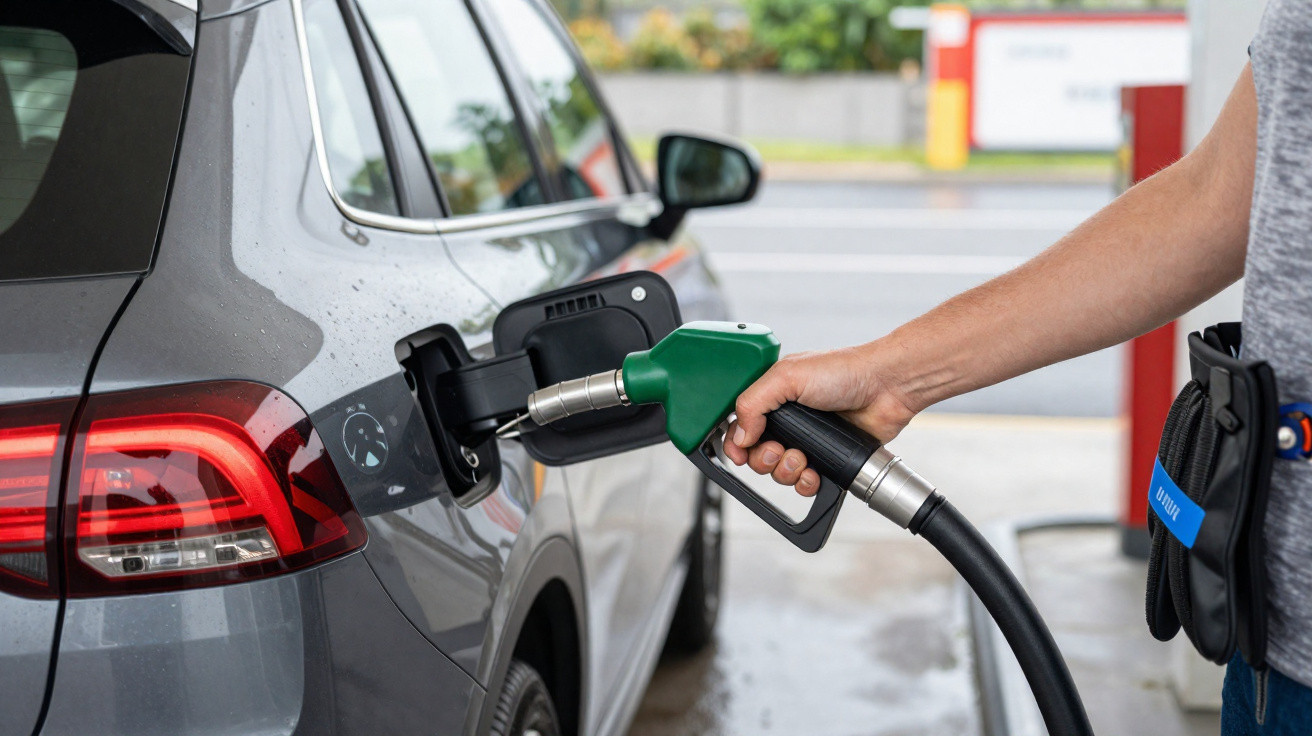
Diesel is combustible and harmful to the environment if spilled. Follow the filling station’s rules, switch off the engine, avoid smoking or naked flames, and use only suitable, clearly labelled fuel containers when transporting fuel.
Never mix fuels or put diesel into a petrol vehicle. If you realise the wrong fuel has gone into your tank, do not start the engine. Tell filling-station staff and arrange suitable assistance.
Keep every fuel purchase easy to explain
A cheaper tank of diesel should still be an ordinary, traceable purchase. Compare local prices, use genuine offers, keep receipts and follow approved workplace fuel-card arrangements.
If an offer depends on secrecy, cash handed to an individual or somebody else’s card, the safest response is simple: do not take it.









Comments
No comments yet. Be the first to comment!
Leave a Comment