A pause between pressing the accelerator and feeling the car pick up speed is more than an annoyance. It can make joining a motorway, climbing a hill or pulling into moving traffic feel less assured. The cause may be simple, such as a floor mat obstructing the pedal or an overdue air filter, but it can also point to a fault in the engine, transmission or electronic controls.
The key is not to replace parts at random. An engine needs the correct air, fuel and ignition at the right time, while the drivetrain has to transfer that power to the wheels. Note exactly when the hesitation occurs, make a few safe basic checks, then use proper diagnosis if the issue persists.
A car that is slow to accelerate is a symptom, not a diagnosis. The behaviour of the revs, warning lights and exhaust can help narrow down the cause.
First, identify what “slow” feels like
Before arranging an inspection, try to pin down the pattern. Clear observations give a garage a much better starting point than simply reporting that the car feels underpowered.
Ask yourself:
- Does it hesitate from a standstill, at higher speeds, or only under hard acceleration?
- Do the engine revs rise but the car fail to gain speed properly?
- Is there juddering, surging, misfiring or a noticeable flat spot?
- Has an engine management warning light appeared, even briefly?
- Did the issue begin after refuelling, servicing, a flat battery or work under the bonnet?
- Is it worse when cold, once fully warm, or in damp weather?
A slight delay can be normal in cars with an electronic throttle. Rather than using a cable, the pedal sends a request to the engine control unit, which manages throttle opening, fuelling, turbo boost and traction control. A pronounced delay, repeated hesitation or sudden reduction in power is not something to ignore.
Check air intake and simple obstructions
An engine cannot produce its normal performance if it does not receive enough clean, correctly measured air. This is one of the most sensible areas to inspect first.
1. Make sure nothing is blocking the pedal
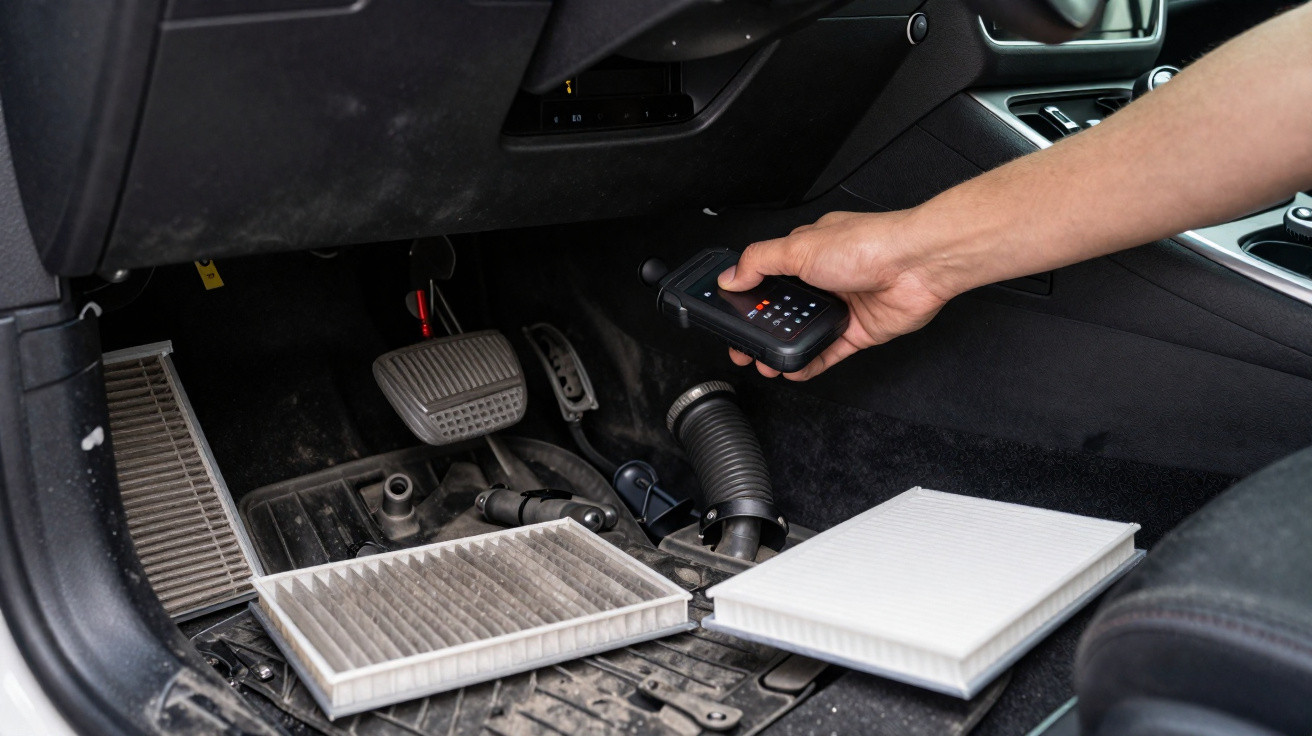
With the engine switched off and the vehicle safely parked, check that the driver’s floor mat is properly secured and cannot slide beneath or obstruct the accelerator pedal. Remove loose objects from the footwell.
Also confirm that the parking brake is fully released before setting off. If a brake warning light remains on, or the car feels as though it is dragging, have it checked rather than continuing to drive.
2. Inspect the air filter and visible hoses
A badly clogged air filter can restrict airflow, especially when accelerating hard. Follow the service schedule in the handbook. If the filter is visibly blocked with dirt, leaves or oil, replace it rather than trying to shake it clean.
With the engine cool, inspect accessible intake ducting and hoses for:
- Split or perished rubber hoses
- Loose clips or disconnected pipes
- Crushed ducting
- Oil residue around a joint, which may suggest a boost leak on a turbocharged engine
A leak after an airflow sensor can upset fuelling calculations and may cause rough running as well as poor response.
Sensors and throttle faults can affect response
Many vehicles use a mass airflow sensor to calculate fuelling. A contaminated or faulty sensor can contribute to hesitation, poor fuel economy or a flat feeling under acceleration.
Do not clean a mass airflow sensor with general-purpose solvent, brake cleaner or compressed air. The sensing element is delicate. Use only a cleaner specifically intended for that component, and only where the vehicle manufacturer permits it.
Carbon deposits around a throttle body can also affect some petrol engines. Cleaning may help, but electronic throttles can need an adaptation or relearn procedure afterwards. If you are unsure, a garage with suitable diagnostic equipment is the safer option.
A fault code that names a sensor does not automatically mean that sensor has failed. Wiring faults, air leaks and other problems can produce similar codes.
Fuel delivery problems often appear under load
A fuel-supply fault may be barely noticeable during gentle town driving, then become obvious on a steep hill or during motorway acceleration when the engine needs more fuel.
Possible causes include a restricted fuel filter where the vehicle has a serviceable one, a weak fuel pump, an injector fault or a pressure-control issue. Many newer cars have filters integrated into the fuel tank module, so there may be no routine replacement interval.
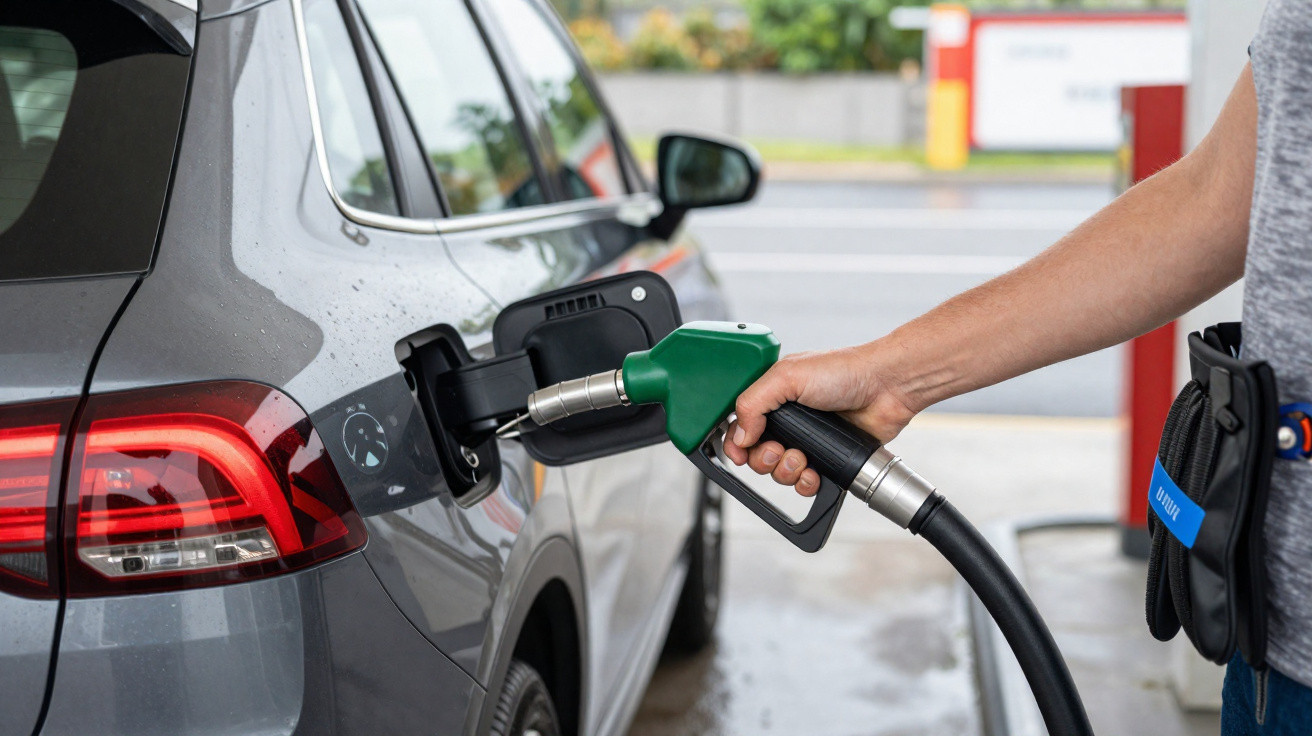
If the symptoms started immediately after filling up, keep the receipt and avoid using the car unnecessarily. Contact the filling station and speak to a garage. Do not attempt to drain a fuel tank at home.
Modern petrol direct-injection and diesel fuel systems operate at high pressure. A workshop can test the system against the manufacturer’s specifications.
Never loosen fuel lines to “check the pressure”. Petrol is highly flammable, and pressurised fuel can cause serious injury.
Misfires, turbo faults and emissions systems
On petrol cars, worn spark plugs, failing ignition coils or damaged wiring can cause a weak or inconsistent spark. Common signs include a stumble under acceleration, vibration at idle, reduced economy and an engine management warning light.
Spark plugs should be replaced at the interval specified for the vehicle, using the correct type. Long-life plugs are not necessarily due at every service, and unsuitable replacements can create further problems.
A flashing engine management light commonly indicates an active misfire that could damage the catalytic converter. Reduce load, stop somewhere safe as soon as practical and arrange assistance rather than accelerating hard.
Diesel engines do not use spark plugs for combustion, but poor acceleration can result from injector faults, air leaks, turbo-control problems, EGR faults or a diesel particulate filter (DPF) issue. Short journeys can make DPF regeneration more difficult, but a long drive will not solve every warning. Follow the handbook instructions and seek diagnosis if a DPF warning remains illuminated.
A damaged catalytic converter or restricted exhaust can also reduce performance. Rattling beneath the car, unusual heat, a sulphur-like smell or worsening loss of power may be warning signs, but none confirms the fault without testing.
Consider the clutch or gearbox
If the revs rise quickly but road speed does not increase in proportion, the problem may be in the drivetrain rather than the engine.
Manual cars
A slipping clutch is often most noticeable in a higher gear under firm acceleration. The rev counter may climb while the car gains speed slowly, sometimes accompanied by a hot smell. Continued driving can worsen the damage, so arrange an inspection.
Automatics, CVTs and hybrids
Automatic gearboxes and continuously variable transmissions can feel different from manual cars, and some increase in revs may be normal. However, delayed engagement, persistent slipping, shuddering, harsh shifts or warning messages need attention.
Transmission fluid must meet an exact specification, and some gearboxes require a particular filling procedure and temperature. Do not top it up unless you have the correct manufacturer information.
Hybrid response can also vary with battery charge, engine temperature and the vehicle’s control system. A hybrid-system warning should be diagnosed professionally rather than masked with aftermarket throttle-response devices.
Use a sensible diagnostic order
You can make safe observations at home, but testing under load is often needed to identify the cause.
1. Check maintenance basics
Look at the air filter if it is easily accessible, check the engine oil level as instructed in the handbook, and make sure scheduled servicing is up to date. Do not overlook overdue spark plugs, fuel filters where applicable or transmission servicing.
2. Read fault codes without jumping to conclusions
An OBD-II reader can reveal stored diagnostic trouble codes. Record the exact code and any accompanying symptoms, but treat the result as a clue rather than an instruction to buy a part. Avoid clearing codes before diagnosis, as this can remove useful evidence.
3. Let a garage test it properly
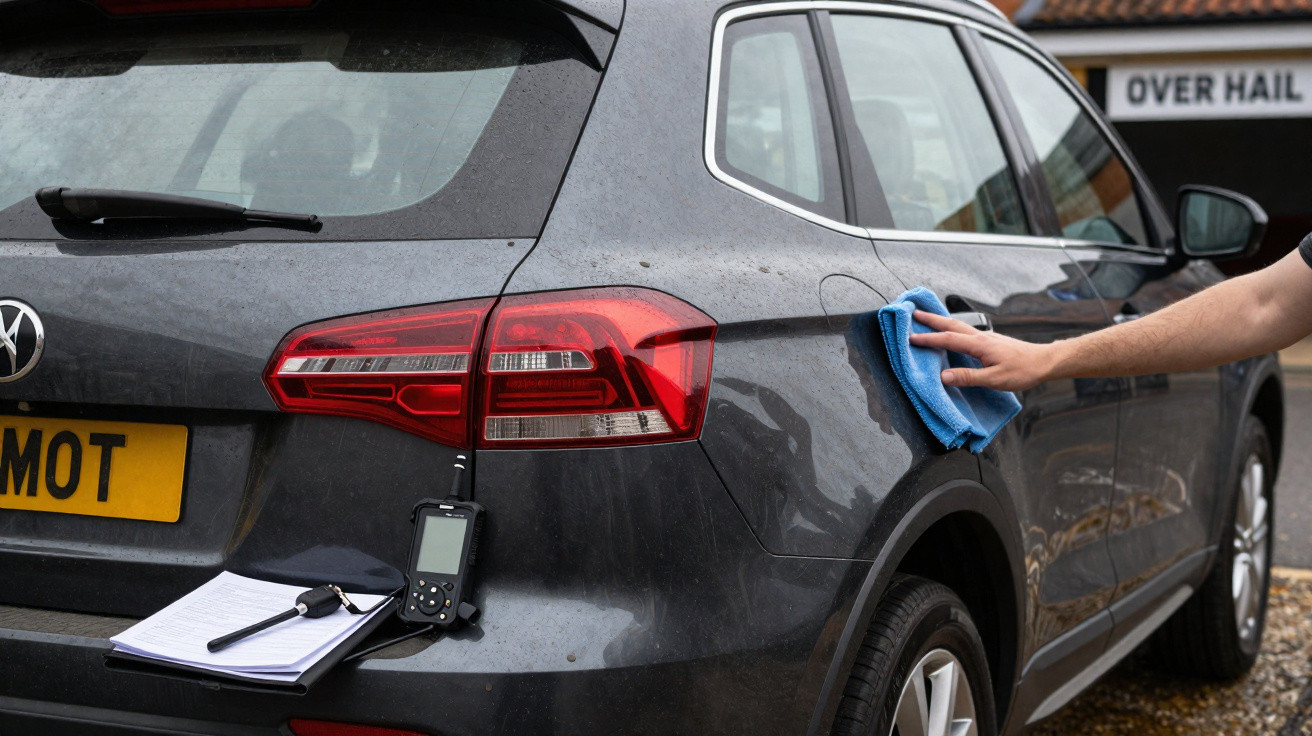
A capable workshop can check live sensor data, boost pressure, ignition performance, fuel supply and exhaust readings. This helps distinguish between a split hose, sensor issue, fuel fault or mechanical problem.
Common mistakes to avoid
- Replacing a sensor simply because a code mentions it.
- Cleaning delicate sensors with unsuitable products.
- Fitting a cheap throttle-response device to hide a genuine fault.
- Driving hard with a flashing engine warning light, severe misfire or obvious clutch slip.
- Using unapproved fuel additives instead of finding the cause.
- Assuming that intermittent limp mode is harmless because the car improves after being restarted.
- Working around hot exhaust components, fuel lines or moving engine parts without proper knowledge.
When to stop driving and what to do next
Use the fuel grade specified in the handbook, fill up at reputable filling stations and keep to the manufacturer’s maintenance schedule. Routine replacement of filters and spark plugs can prevent some causes of poor response, but a new hesitation still deserves attention.
If the car suddenly loses power in traffic, avoid overtaking and move to a safe place when possible. Use hazard warning lights only when necessary to warn other road users of an immediate hazard. A flashing warning light, severe juddering, fuel smell, smoke or major loss of power are all good reasons to stop and seek assistance.
For anything beyond a mild, occasional electronic-throttle delay, a methodical inspection is the quickest route to dependable acceleration again.













Comments
No comments yet. Be the first to comment!
Leave a Comment