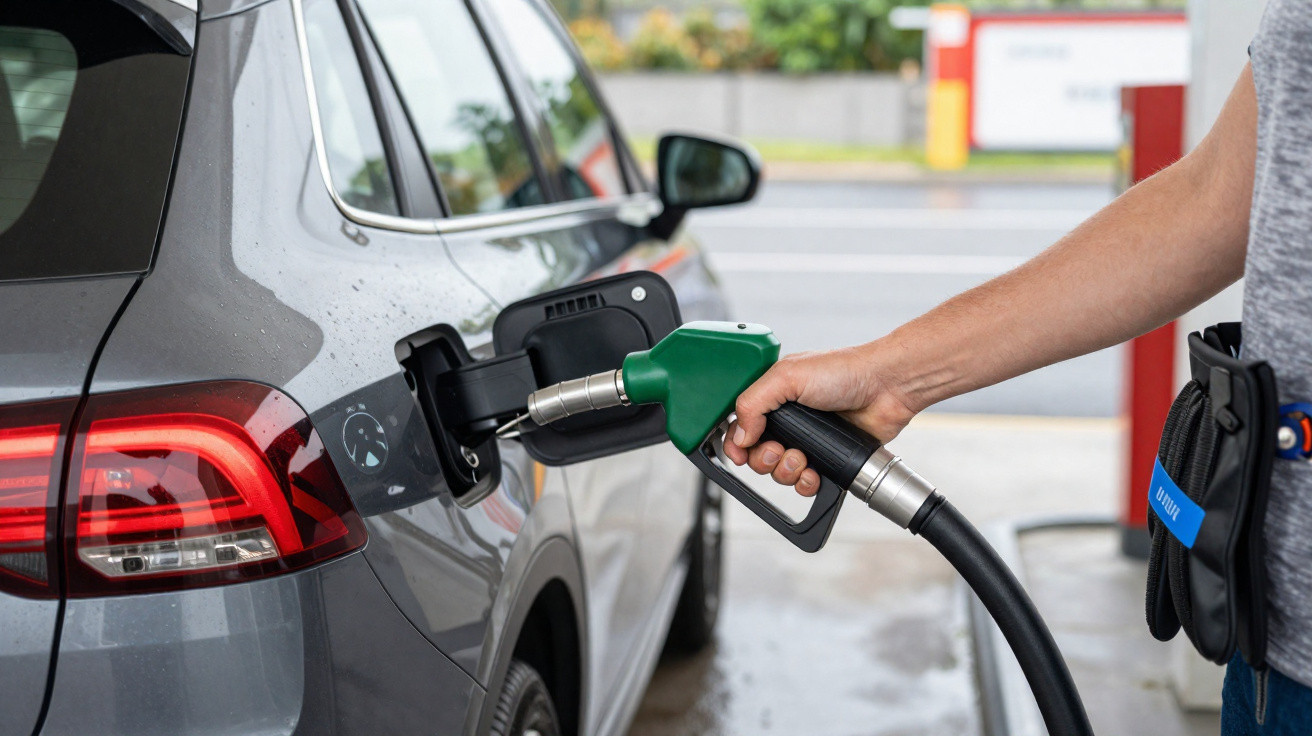
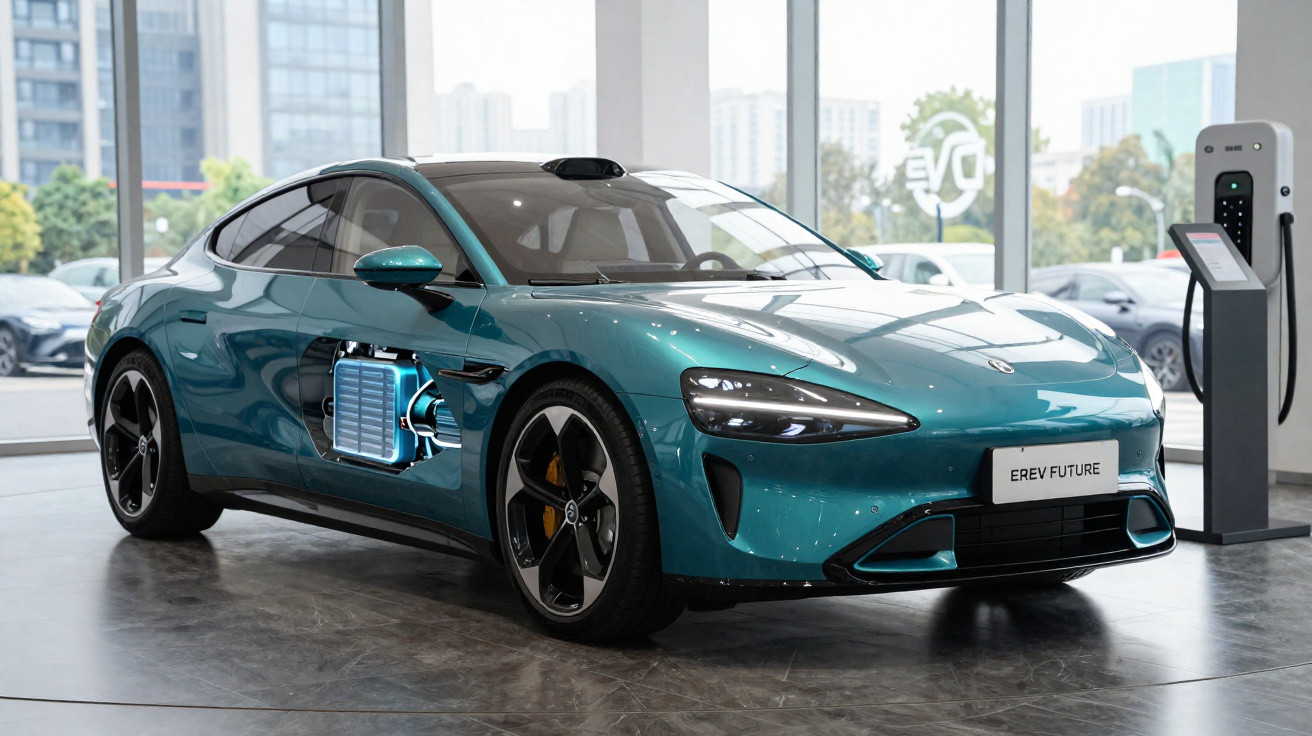
Choosing between an electric SUV and an LPG-powered car can be confusing when the figures appear to point in opposite directions. An EV may be exceptionally cheap to run from a home charger, yet a long motorway journey using public rapid chargers can cost far more than expected. LPG, where it is available, can offer a lower fuel price per mile than expensive public charging.
The important correction to the headline is that no Dacia, or any other car, is automatically cheaper than an electric car or guaranteed to travel three times as far. Running costs depend on where and when you charge, local LPG prices, driving style and the model being compared. A dual-fuel car can, however, offer a very long total distance between stops because it carries both LPG and petrol.
The useful comparison is pence per mile for your own journeys, not a headline fuel price or a single official range figure.
Why LPG can look cheaper than an EV
LPG, also known as autogas, is usually priced below petrol per litre. It contains less energy per litre than petrol, so an LPG vehicle normally uses more fuel by volume, but the lower pump price can still make it economical.
Whether it beats an EV depends largely on charging.
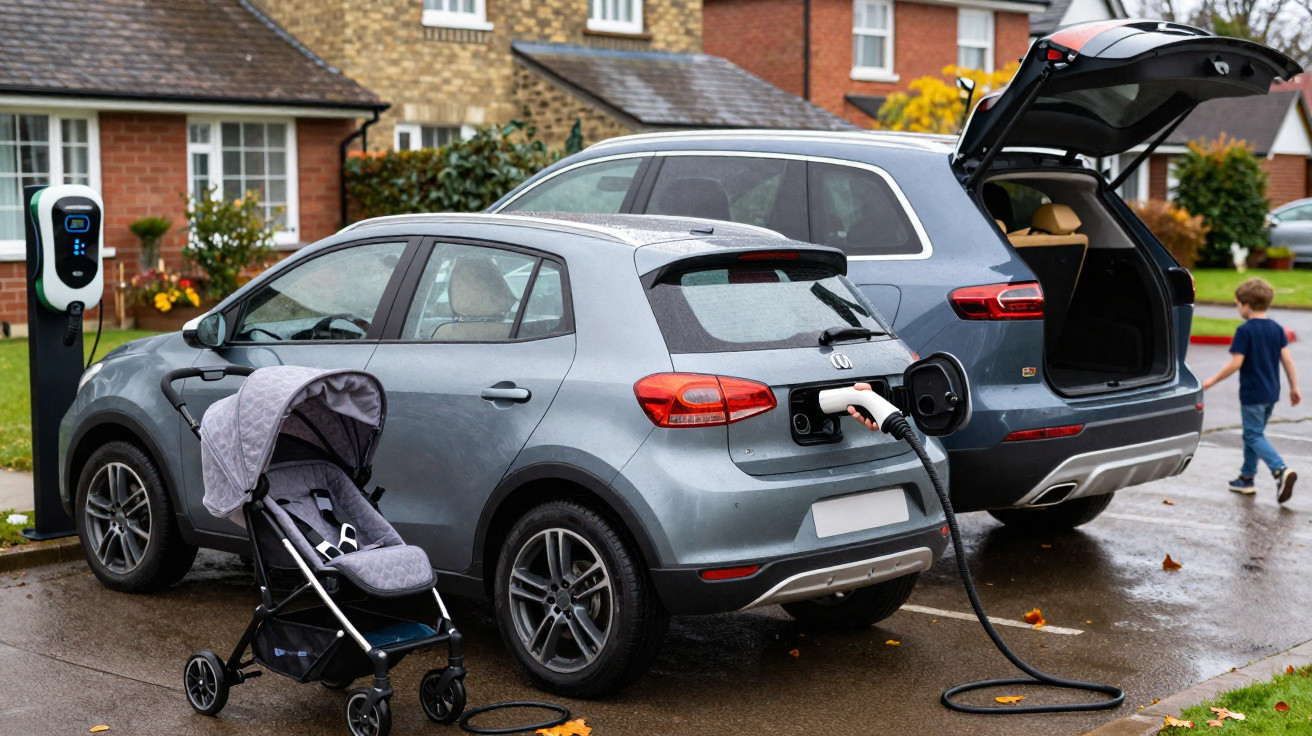
- Home charging: An EV charged on a suitable domestic or off-peak tariff is often difficult to beat on energy cost.
- Workplace or destination charging: Costs vary, and some sites may offer low-cost charging, though this should never be assumed.
- Rapid and ultra-rapid charging: These chargers are useful on longer trips but can be significantly more expensive per kilowatt-hour.
- LPG: Costs depend on local forecourts and the car’s real consumption, particularly at motorway speeds.
- Petrol back-up: A bi-fuel vehicle can continue on petrol when LPG is unavailable, but petrol will usually cost more per mile than LPG.
To compare fairly, calculate the actual cost per mile. For an EV, divide the price per kWh by the car’s real-world miles per kWh. For LPG, divide the price per litre by the car’s miles per litre. Official consumption figures are a starting point, not a promise.
Cold weather, rain, strong winds, a loaded boot and sustained motorway speeds can all increase energy use. British winter conditions can affect both EV efficiency and petrol or LPG consumption.
What “three times as far” really means
A petrol-LPG car has two fuel stores: an LPG tank and a conventional petrol tank. Used together, they can create a long theoretical range between refuelling stops. That is the basis for claims that a dual-fuel model can cover far more distance than an EV in one go.
But the multiplier is not fixed. An electric SUV with a modest battery and a difficult winter motorway journey may have a substantially shorter practical range than a larger, more efficient electric SUV in mild weather. Equally, some current electric SUVs can travel well beyond 200 miles between charges in mixed use.
A combined petrol-and-LPG range may be two or three times that of some EV journeys, but it is not a universal comparison and should not be treated as one.
A long range is most useful as flexibility: it lets you stop when it suits the driver and passengers, rather than simply chasing the biggest number.
For family trips, that flexibility can be valuable. It may help when travelling through rural areas, towing within the vehicle’s limits, or crossing into mainland Europe. It is not a reason to delay breaks: tired driving remains a serious safety risk.
Check the exact Dacia specification
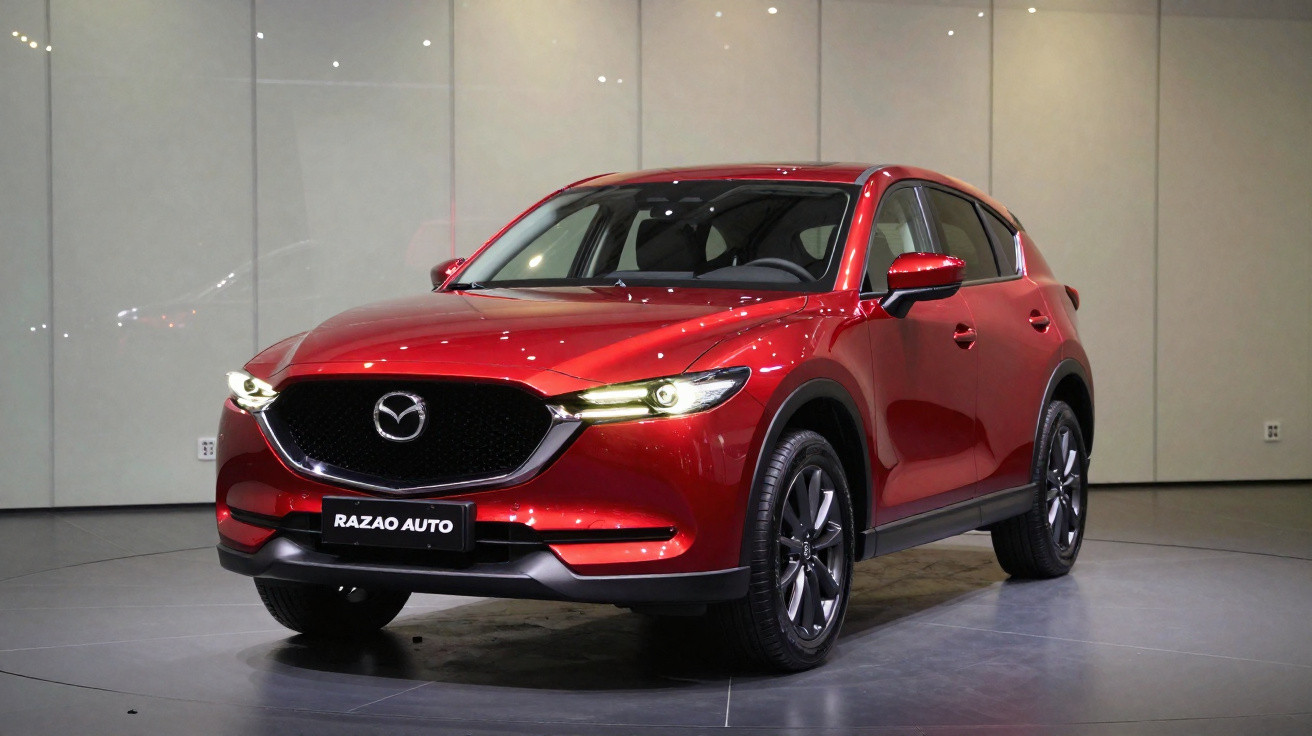
Dacia has offered LPG versions of some models in several European markets, but UK availability, engines, transmissions, four-wheel-drive options and hybrid equipment can differ by model year and country. Do not rely on overseas launch material or social-media claims when ordering a UK car.
Ask a UK dealer for the current specification in writing, including:
- whether the model is officially supplied with LPG in the UK;
- the size of both fuel tanks and the stated range method;
- whether it is a mild hybrid, full hybrid or simply a bi-fuel petrol engine;
- gearbox type and driven wheels;
- official fuel-consumption and emissions figures;
- servicing intervals for the LPG system;
- warranty cover for fuel-system and hybrid components.
A small hybrid battery in a non-plug-in hybrid is charged by the engine and regenerative braking. It is not designed for regular plug-in charging or long electric-only journeys. Its purpose is generally to recover energy while slowing down and provide occasional assistance to the petrol engine.
Practical compromises of an LPG family car
The main compromise is usually packaging. In many LPG cars, the gas tank sits in the spare-wheel well. This can preserve most of the boot, but it may mean there is no full-size spare wheel or underfloor storage.
Before committing, take the items that matter to the dealership if possible. Check whether the car accommodates:
- a pushchair or buggy;
- a dog crate;
- luggage for a family break;
- muddy walking boots and outdoor equipment;
- charging leads or emergency equipment if you also run another electric vehicle.
Also inspect the tyre arrangement. A repair kit is not a complete substitute for a spare wheel in every situation, particularly on a remote road or if a tyre sidewall is damaged. Check whether an approved spare-wheel solution is available and whether it affects boot space.
Hard-wearing cabin materials can be an advantage for families, dogs and wet-weather walking gear. The trade-off may be more hard plastic than in pricier rivals, so decide whether durable surfaces or a more premium finish matters more to you.
LPG availability in the UK needs planning
LPG availability at UK filling stations is more limited than petrol and diesel, and the network has changed considerably over time. A forecourt shown on an old sat-nav database or online directory may no longer sell autogas.
Before buying, check the routes you genuinely use rather than only searching around your postcode.
1. Map everyday and long-distance stops
Identify reliable LPG locations near home, work, family visits and regular motorway routes. Check recent information, and telephone a forecourt if an LPG stop is essential to a journey.
2. Check access and opening times
Some pumps may only be available while the kiosk is staffed. Others may be temporarily unavailable because of maintenance or supply issues.
3. Keep petrol as the contingency plan
The petrol tank makes a bi-fuel car far easier to live with, but using petrol frequently could change the running-cost calculation.
4. Research European travel separately
LPG is widely available in parts of Europe, but connectors can vary between countries. Use only suitable approved adapters and check the vehicle handbook before travel.
Do not confuse LPG with CNG. They are different fuels, stored at different pressures and supplied through different equipment.
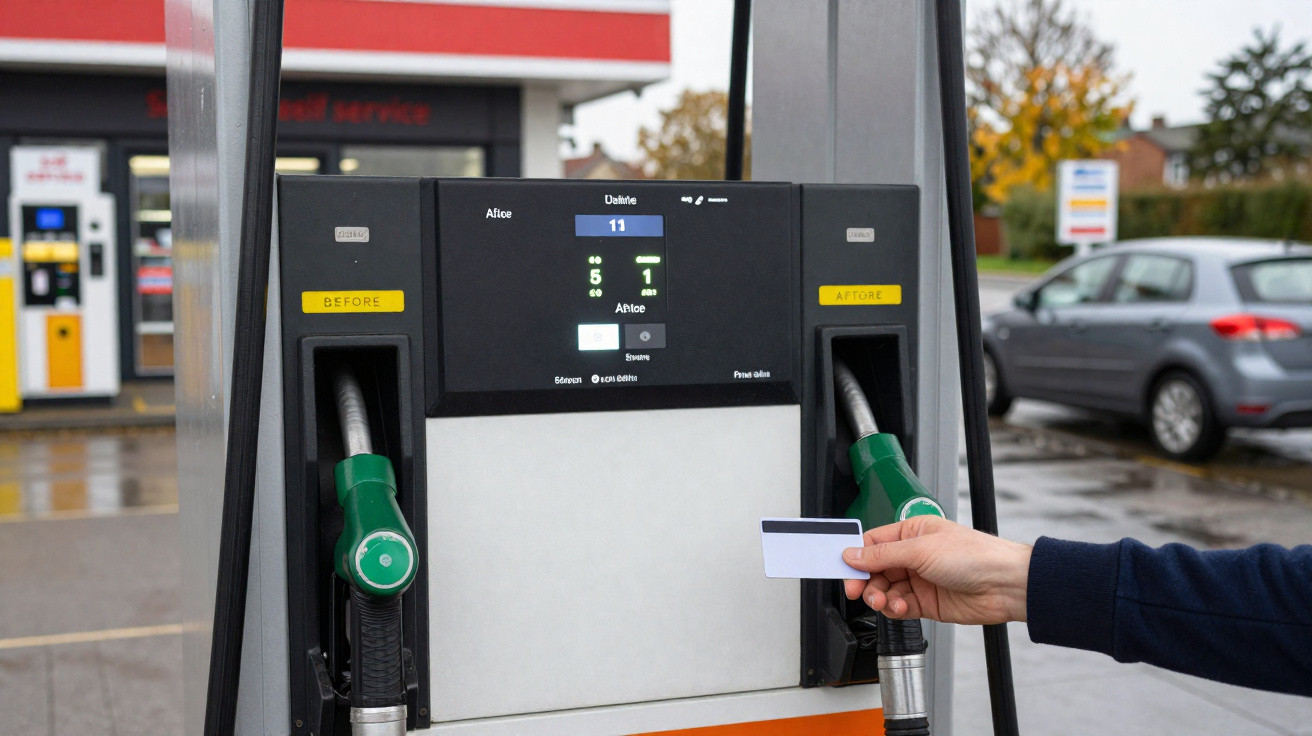
Filling an LPG vehicle safely
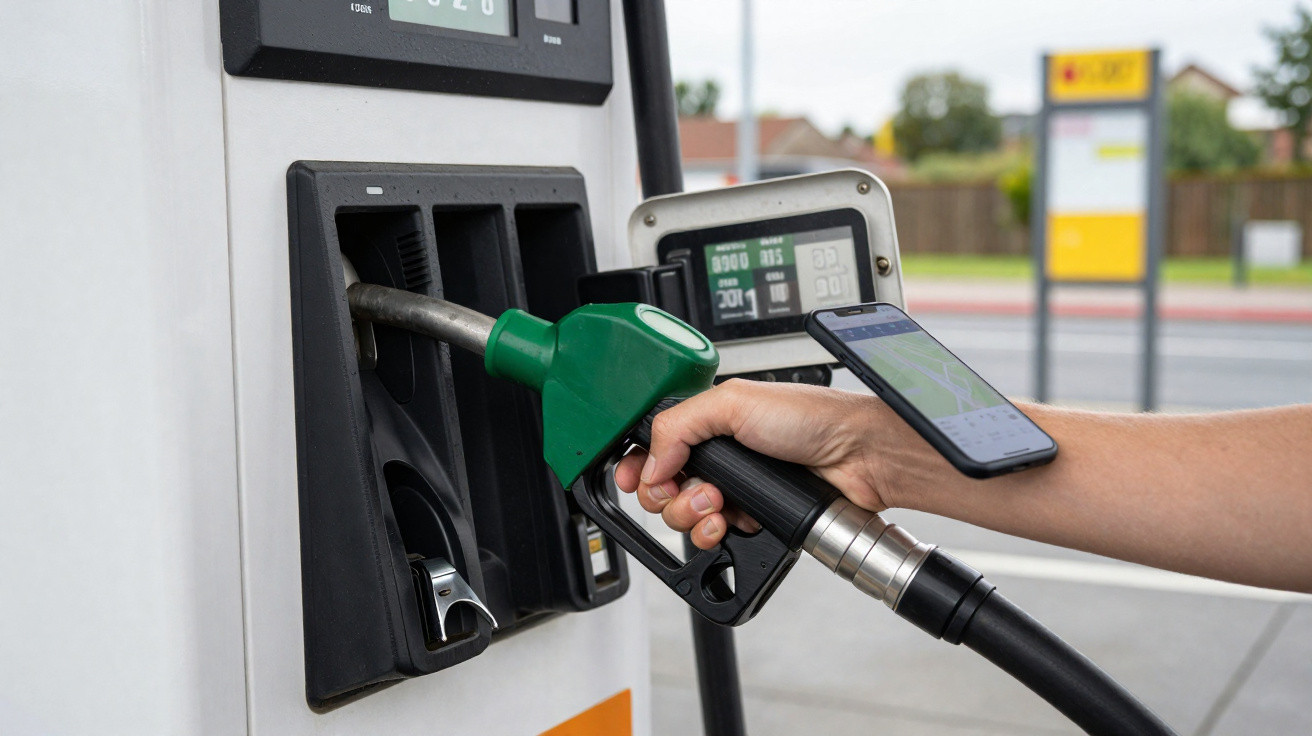
LPG refuelling is straightforward once familiar, but always follow the instructions on the dispenser and in the vehicle handbook.
- Switch off the engine before filling.
- Do not smoke or use naked flames near the pump.
- Keep children clear of the filling area.
- Fit any required adapter securely before attaching the nozzle.
- Allow the pump to stop automatically; never try to overfill the tank.
- A brief hiss when disconnecting can occur, but a persistent smell of gas, visible damage or a suspected leak requires immediate attention from forecourt staff.
If you suspect a leak, move away from the vehicle and pump area, avoid starting the engine, and follow the forecourt’s safety instructions.
Common mistakes when comparing LPG with electric
- Comparing LPG with only the most expensive rapid-charging price. Include the charging you expect to use most often.
- Using official range as a real-world guarantee. Weather, speed, tyres and payload matter.
- Assuming every nearby forecourt still sells LPG. Confirm current availability.
- Ignoring purchase and ownership costs. Insurance, servicing, tyres, Vehicle Excise Duty, finance and resale value all affect the overall picture.
- Buying for one exceptional journey. Daily commuting and regular family travel normally matter more than an annual holiday drive.
- Forgetting that home charging changes the equation. Reliable off-street charging can make an EV considerably cheaper for many households.
The sensible way to decide
An LPG Dacia may suit a driver who covers regular long distances, cannot charge reliably at home and has dependable LPG stations on their usual routes. The petrol reserve can provide reassurance when LPG is unavailable, while the combined fuel capacity can reduce refuelling stops on longer journeys.
An EV may be the stronger choice for drivers with home charging, shorter daily journeys and access to low-cost electricity. Before deciding, build a simple 12-month estimate using your mileage, likely charging locations, local LPG prices and expected servicing costs. That is more useful than any claim that one powertrain is always cheaper or always goes farther.



Comments
No comments yet. Be the first to comment!
Leave a Comment