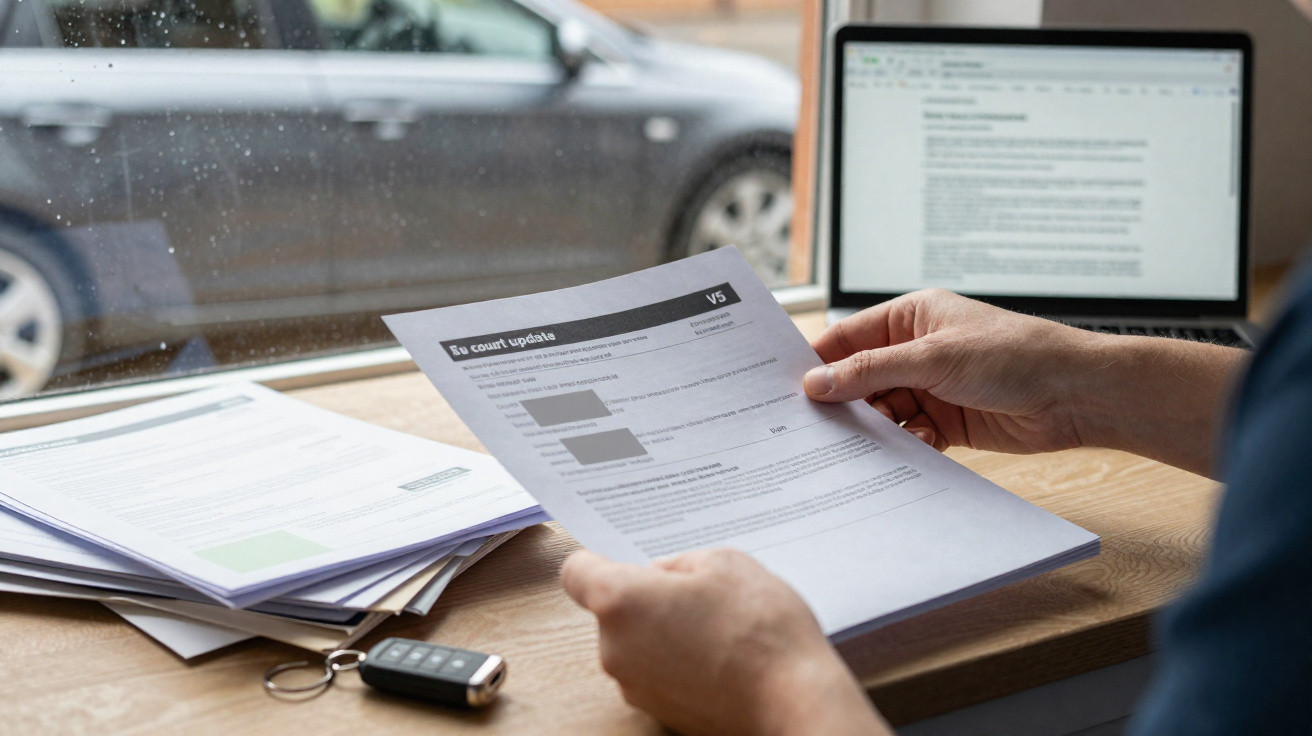
For drivers following a diesel emissions claim, court updates can be hard to decode. A headline saying that permission to appeal has been refused can sound like a final decision against a carmaker, or a guarantee of compensation for owners. In most cases, it means something narrower: one side has not been allowed to challenge a particular ruling at the next stage.
The useful approach is to separate procedural news from the underlying allegations. A refusal of permission to appeal can be significant, but it does not automatically decide every claim, prove that a vehicle contained an unlawful defeat device, or mean that every owner will receive money. The wording of the order, the court jurisdiction, the vehicles covered and the remaining issues all matter.
A court decision about one procedural point is not necessarily a final verdict on diesel vehicles, a manufacturer or an individual driver's claim.
What refusal of permission to appeal usually means
In civil proceedings in England and Wales, a party will often need permission before appealing a decision to a higher court. Permission may be granted where the appeal has a real prospect of success, or where there is another compelling reason for it to be heard.
If permission is refused, the decision being challenged will usually remain in force in that case. That may allow the litigation to move on, but it does not necessarily bring the wider case to an end.
The detail matters because a refused appeal may concern only an interim issue, such as:
- whether part of a legal argument can continue;
- the meaning of a particular rule or contract term;
- disclosure of documents or other evidence;
- whether certain claimants can be included in group proceedings;
- whether a claim was started within the relevant time limit;
- case-management arrangements before a trial.
Court procedure differs across the UK. England and Wales, Scotland and Northern Ireland have separate legal systems, so reports should identify the court and the case rather than relying on a broad UK-wide headline.
Why diesel emissions cases can take years
Diesel emissions litigation often combines large numbers of claimants with technical arguments about engine software, emissions controls, vehicle approvals and alleged financial loss. That makes the cases slow and complex, even before a full trial takes place.
Claimants may allege that software or engine calibration changed the operation of emissions-control systems under test conditions. Manufacturers may dispute the allegations, the legal interpretation of the technology and whether drivers suffered any loss.
Several questions can run alongside one another:
- Technical issues – how the emissions system operated in different conditions.
- Regulatory issues – what approval and emissions rules applied when the vehicle was placed on the market.
- Consumer issues – what was said to buyers and whether the vehicle met the relevant contractual or statutory standards.
- Loss issues – whether there was a measurable reduction in value, extra cost or another recoverable loss.
Each issue may require evidence from engineers, economists and other specialists. A single appeal decision can therefore be important without resolving the central allegations.
What this may mean if you own an affected diesel
If you have already joined a group claim, a refused appeal may create more certainty on the point that was challenged. It may mean that the solicitors involved can prepare for the next stage without waiting for a higher court to consider that particular issue.
It is still sensible not to treat the update as confirmation of a payout. The outcome may depend on the arguments still to be decided, any settlement, eligibility rules, funding arrangements and the facts of your own vehicle ownership.
Before responding to a claim advert or contacting a representative, check:
- the make, model, engine and registration year of the vehicle;
- whether the exact vehicle is said to be included in that specific claim;
- when you owned, leased or financed it;
- whether you have previously accepted a settlement or signed a related agreement;
- whether you bought the car new or used;
- the proposed deductions from any settlement or award.
Owning a diesel from a manufacturer named in a news report is not, by itself, proof that you can bring a claim or that one will succeed.
Recalls, MOTs and compensation claims are different
A recall or service campaign, an MOT result and a civil claim answer different questions.
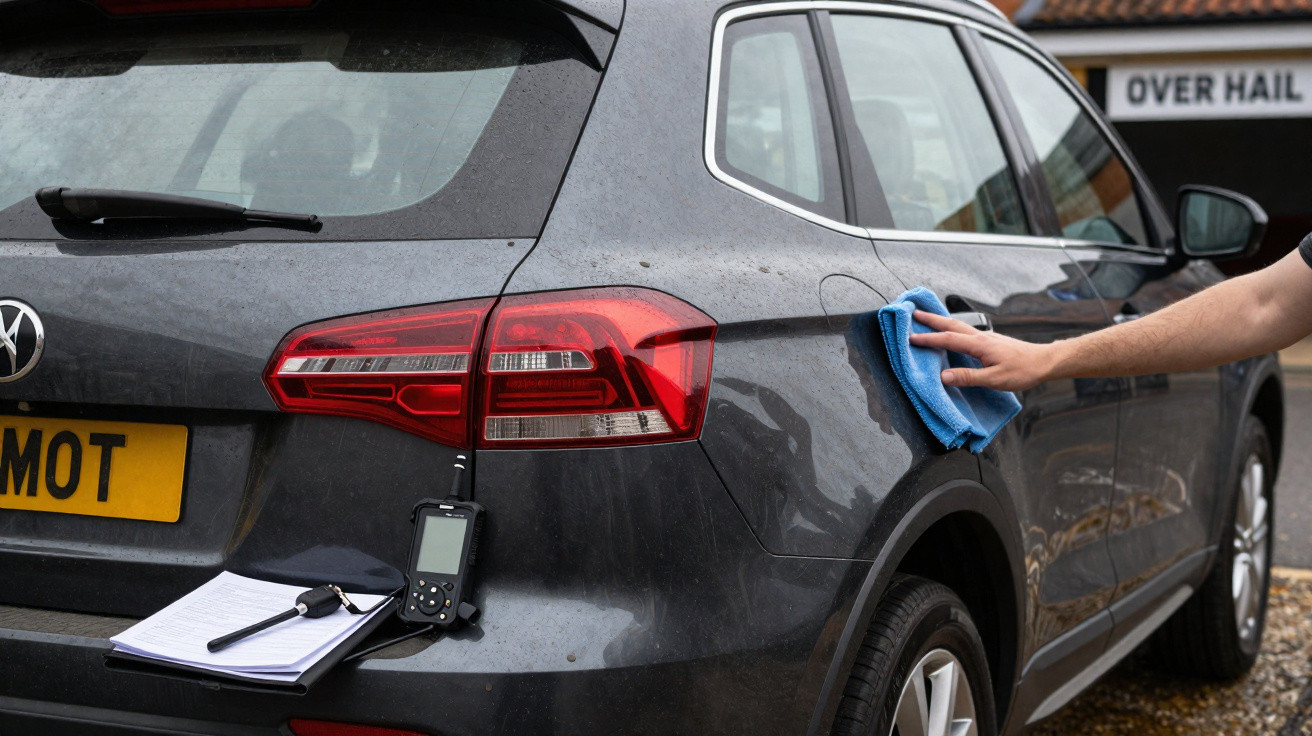
An MOT checks whether a vehicle meets roadworthiness standards at the time of the test. Passing an MOT does not settle allegations about historic type approval, software design or financial loss. In the same way, failing an MOT does not by itself prove the sort of allegation made in an emissions case.
A manufacturer software update or service campaign may be intended to address a technical issue, meet a regulatory requirement or improve the operation of the vehicle. Its existence does not automatically establish legal liability. Keep any letters and invoices, but avoid drawing conclusions from the wording alone.
Do not remove, alter or disable emissions-control equipment in response to a claim advert or online discussion. It can create safety, insurance, roadworthiness and legal problems.
Records worth keeping
Good paperwork can make it easier to establish your ownership history and understand whether a vehicle is relevant to a claim. It is especially useful for second-hand owners, where service history may be incomplete.
Keep copies of:
- the V5C registration certificate and purchase invoice;
- finance, lease or hire-purchase paperwork, where relevant;
- service records, repair invoices and manufacturer correspondence;
- recall, service-campaign and software-update notices;
- MOT history;
- dealer adverts or descriptions that influenced your purchase;
- sale paperwork if you have since disposed of the vehicle.
You can check MOT history through the official GOV.UK service using the registration number. For outstanding recall work, a franchised dealer can normally check the vehicle identification number (VIN). Be cautious with websites that imitate official services or ask for more personal information than is needed for an initial eligibility check.
Common mistakes to avoid
The biggest problems often arise before a driver has read the terms of an agreement.
- Joining solely because of a social-media advert. Marketing language such as “you could claim” is not a court finding.
- Overlooking deductions. “No win, no fee” does not necessarily mean you receive the full value of a settlement or award. Check for success fees, insurance costs, VAT and other deductions.
- Sending original documents too early. Copies or secure scans are normally preferable unless a properly verified representative has explained why originals are needed.
- Assuming one court update covers every manufacturer. Litigation involving one carmaker does not determine claims against another.
- Missing emails or letters. If you have instructed a firm, update it when you change address, telephone number or email.
- Neglecting maintenance. A possible claim is not a reason to delay servicing, recalls, tyre checks or necessary repairs.
How to check a report before acting
Look for reporting that identifies the court, the parties, the date and the particular point decided. Where available, a judgment, order or case reference provides more useful context than a headline alone.
If you are thinking about instructing a representative, ask for the client agreement before committing yourself. A solicitor or claims management company should set out the basis of the claim, the likely charges or deductions, and what may happen if the case does not succeed. Check the relevant regulatory register where appropriate, rather than relying only on a website badge or online review.
For a general dispute about a vehicle purchase, Citizens Advice may help you identify the appropriate consumer route. Safety concerns and recall queries should normally go to the manufacturer or dealer first; the Driver and Vehicle Standards Agency may also be relevant for some roadworthiness matters. These routes are separate from civil litigation.
A practical next step
1. Identify the vehicle and ownership period
Write down the registration number, VIN, model, engine and the dates you owned or financed the car. Gather the documents that support those dates.
2. Verify the specific case
Check whether the claim or court report actually covers your vehicle and circumstances. Do not rely on a broad description such as “all diesel owners”.
3. Read every agreement before signing
Take time to understand the funding terms, possible deductions and the authority you are giving to the representative. If anything is unclear, ask for it to be explained in writing.
A refusal of permission to appeal may be a meaningful development in the litigation concerned, but it remains one procedural decision. Keep your car roadworthy, follow legitimate recall advice and retain your records while the legal position becomes clearer.












Comments
No comments yet. Be the first to comment!
Leave a Comment