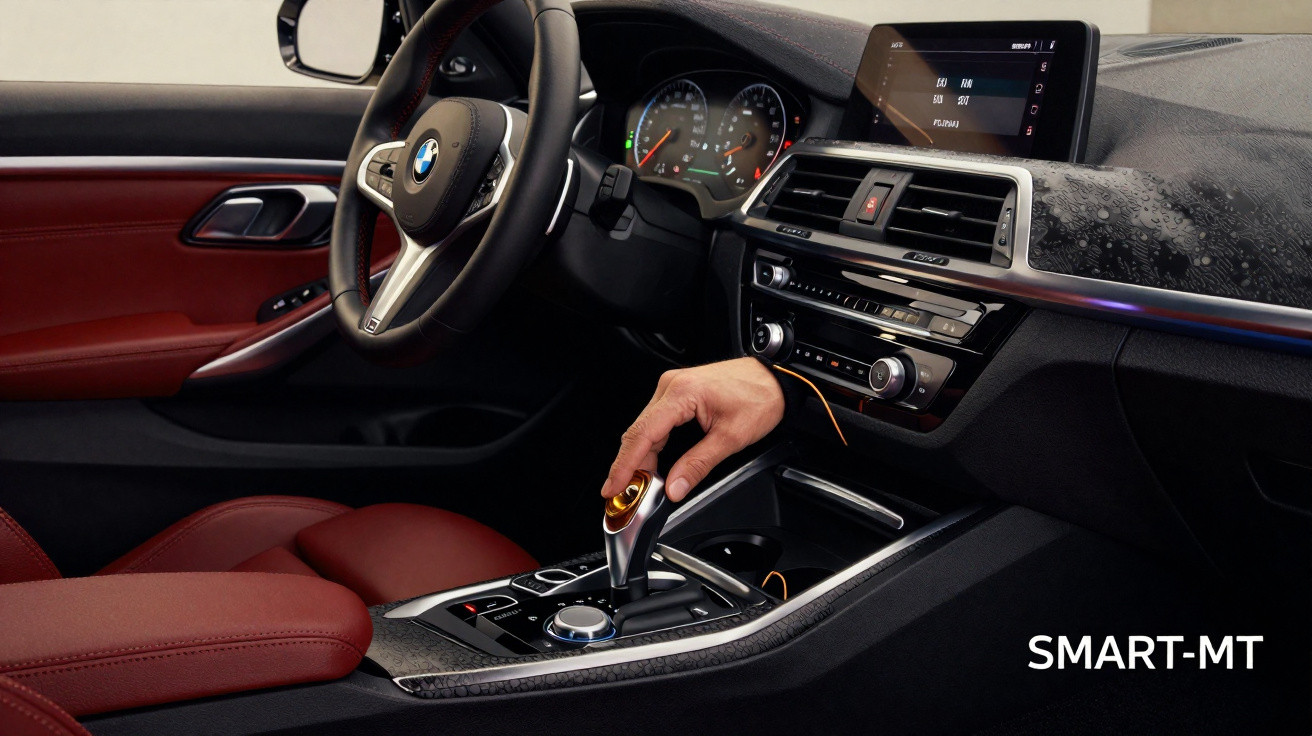
Most manufacturers are discreetly retiring the clutch pedal, but BMW is pursuing a more ambitious approach: a fresh type of manual gearbox that employs electronics as an unseen safeguard, rectifying driver errors without removing the hands-on character enthusiasts value.
BMW manual gearboxes are not finished yet
Manual transmissions are vanishing across the motor industry as rapid dual-clutch systems and sophisticated automatics take their place. BMW, however, continues to regard the three-pedal arrangement as fundamental to its identity, particularly in its M models.
The issue is straightforward: even skilled motorists occasionally get a gearchange wrong. An aggressive downshift at the wrong moment can over-rev an engine, while a poorly executed movement through the gate may damage the synchromesh. Make those errors repeatedly and clutches, gears and bearings can wear out much sooner than the brochure would imply.
BMW’s answer is a “forgiving” manual gearbox: the driver stays in charge, but the hardware quietly refuses moves that could damage the car.
BMW is therefore not attempting to make a manual into an automatic in disguise. Instead, its engineers are adding electronic monitoring around an otherwise mechanical gearbox, retaining driver involvement while reducing the potential for damage.
How BMW’s semi-intelligent manual gearbox operates
The building blocks for the new arrangement can already be found in current BMW performance cars. Models including the M2 and M3 feature automatic rev-matching, which opens the throttle during downshifts to align engine revs with road speed. The result can make an inexperienced driver’s heel-and-toe technique appear impressively polished.
BMW engineers are now developing the idea well beyond that comparatively basic function.
Sensors monitoring the driver’s every input
The prototype uses an extensive sensor network that measures nearly everything occurring between the driver and the drivetrain in real time:
- gear lever position and its speed of movement through the gate
- clutch pedal travel and the engagement point
- engine speed and load
- vehicle speed and wheel rotation
- gearbox and clutch temperatures
This information is sent to a dedicated control unit, which continually determines which gears are both suitable and safe at any given point.
If the system detects a dangerous shift – for example, trying to grab second at motorway speeds – it can simply refuse to engage the gear.
In other situations, the controller could permit the gearchange while intervening to refine it, automatically adjusting engine speed to prevent a severe shock travelling through the drivetrain.
Preventing driver errors before components collide
With a conventional manual, it is entirely the driver’s job to select the correct ratio and match the revs. BMW’s assisted manual alters that arrangement slightly: the driver’s hands and feet still make the ultimate choice, but the hardware gains a right of veto.
BMW is reportedly trialling features on internal development vehicles including:
- over-rev protection via gear lockout – preventing selection of an excessively low gear when it would take the engine beyond its safe limit
- smart synchro protection – slowing or postponing engagement if a shift is too forceful for the gearbox’s internal components
- adaptive rev-matching – varying the intensity and speed of throttle blips according to driving mode and clutch use
This type of oversight could greatly limit wear to the clutch, synchronisers and flywheel, particularly for cars used regularly for enthusiastic road driving or track days.
Balancing purist involvement with a digital safety net
BMW faces a fine balancing act. Electronics that appear intrusive are often unpopular with enthusiasts, especially in cars marketed as “driver’s machines”. Its intention is for the assistance to remain virtually undetectable unless the driver makes a mistake.
Under normal conditions, the shift feels like any traditional BMW manual: mechanical, direct and slightly weighty, with a clear gate.
The key lies in blending any intervention smoothly. For example, the gearbox could detect the lever heading towards an unsafe ratio and gently resist it, steering the driver towards a safer position rather than issuing an obvious warning or imposing an abrupt refusal.
Different BMW manual gearbox characters for each drive mode
BMW already connects throttle response, steering weight and stability-control limits to settings such as Comfort, Sport and Sport Plus. The assisted manual gearbox could be incorporated into the same system.
In real-world use, this could translate as follows:
| Mode | Shift feel | Electronic intervention |
|---|---|---|
| Comfort | Lighter, smoother engagement | Earlier protection, more smoothing, strong gear lockout |
| Sport | More solid, faster response | Later intervention, sharper rev-matching, mild lockout |
| Track / Sport Plus | Heaviest, most direct feel | Minimum interference, over-rev protection only |
Certain M models already provide a manual switch to deactivate automatic rev-matching. BMW is expected to retain that choice for motorists who would rather blip the throttle themselves.
Why BMW is funding technology that most competitors have left behind
For an accountant, investing in an advanced manual transmission may seem hard to justify. Worldwide demand is declining, while automatic gearboxes integrate more readily with hybrid and electric drivetrains.
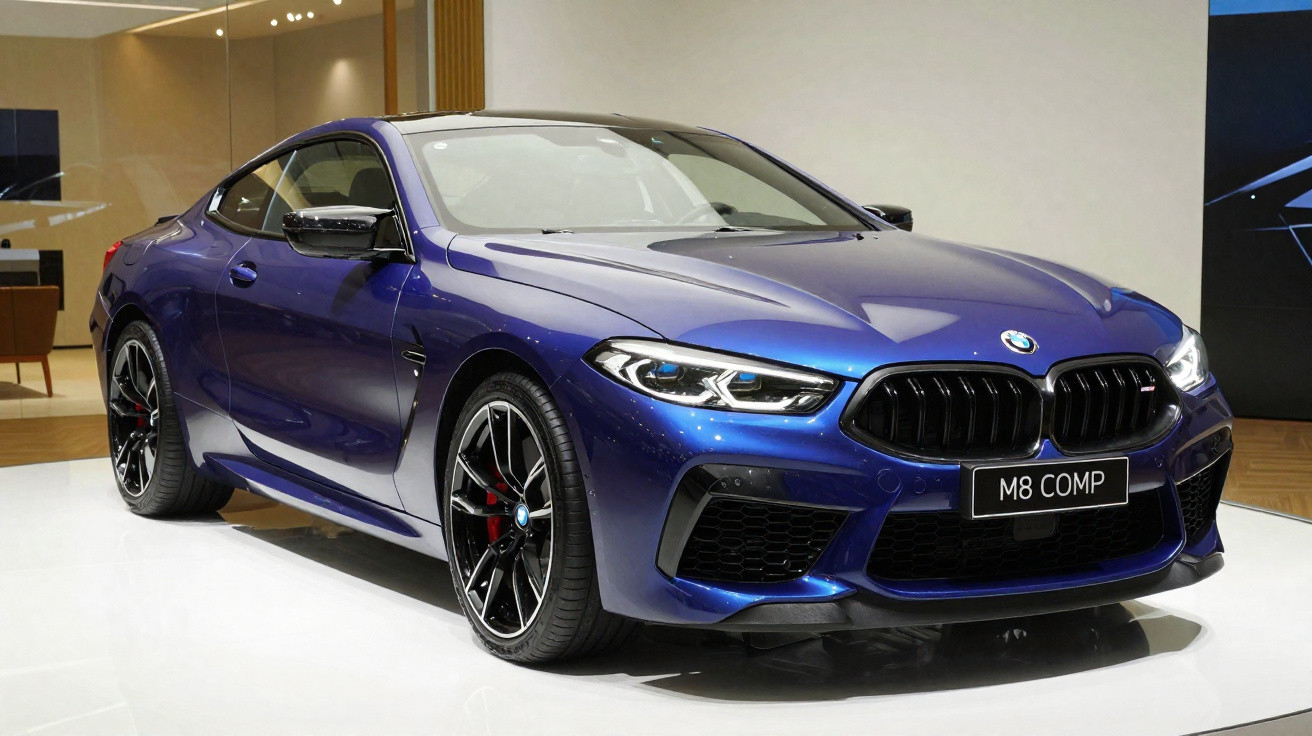
Nevertheless, devoted groups of customers in major markets including the US, Japan and Germany still demand a manual. BMW’s M division is especially dependent on these buyers: M2, M3 and coupé customers who want a tangible mechanical connection between themselves and the drivetrain.
By making the manual easier to live with – and harder to break – BMW aims to keep it viable for a few more product cycles.
There is a branding benefit as well. Being regarded as the final premium manufacturer to provide a properly developed manual transmission gives BMW a distinct point of difference from competitors that have moved entirely to automatics.
Manual gearboxes in BMW’s electrified future
One major question remains: where does this leave BMW as more of its cars become electric or heavily hybridised?
Electric motors do not require multiple ratios for efficiency, and most EVs rely on a straightforward single-speed reduction setup. Even so, BMW engineers are already exploring “simulated” manual gearboxes for high-performance EV concepts, with a lever and even a clutch-style control communicating with software instead of physical cogs.
The assisted manual technology being created now could transfer directly to these digital simulations. Algorithms that prevent poor shifts and match revs in a petrol M2 may eventually deliver believable feedback in an electric iM2 using artificial ratios and torque steps.
What “rev-matching” and “over-rev” actually mean
Two technical expressions are central to BMW’s programme, and both can be explained simply:
- Rev-matching means increasing engine speed during a downshift so that the engine and gearbox rotate at compatible speeds. When performed properly, it keeps the car stable and smooth rather than causing it to jolt.
- Over-rev occurs when an engine is pushed beyond its safe maximum speed, generally because a gear too low for the current road speed has been selected. In a fraction of a second, this can bend valves, put pistons under strain and harm bearings.
Through automatic rev-matching and prevention of over-rev situations, BMW’s system addresses two of the principal mechanical hazards associated with spirited manual driving.
What the system may mean for everyday drivers
During an ordinary commute, many owners may scarcely realise the new gearbox is assisting them. Its advantages are likely to emerge gradually over years of ownership: fewer clutch changes, fewer reluctant synchronisers and reduced driveline shunt when traffic demands constant upshifts and downshifts.
On a winding B-road or at a track day, it provides reassurance of another sort. A driver braking late for a corner must still choose the ratio and follow through with the shift, but the safety net makes a catastrophic mis-shift less likely to end the session – or destroy the engine – immediately.
It could also help drivers learn. Some motorists may treat the gearbox’s reactions as guidance: if the vehicle persistently resists the same kind of shift, it signals that their timing or technique needs changing. In that respect, the gearbox may function almost as a discreet instructor, encouraging cleaner and more mechanically sympathetic driving.
For enthusiasts concerned that electronics are removing every challenge, BMW’s proposition is clear: retain the physical action and responsibility for timing, while using sensors and software to prevent the uncommon yet costly mistakes that can ruin both engines and wallets.




Comments
No comments yet. Be the first to comment!
Leave a Comment