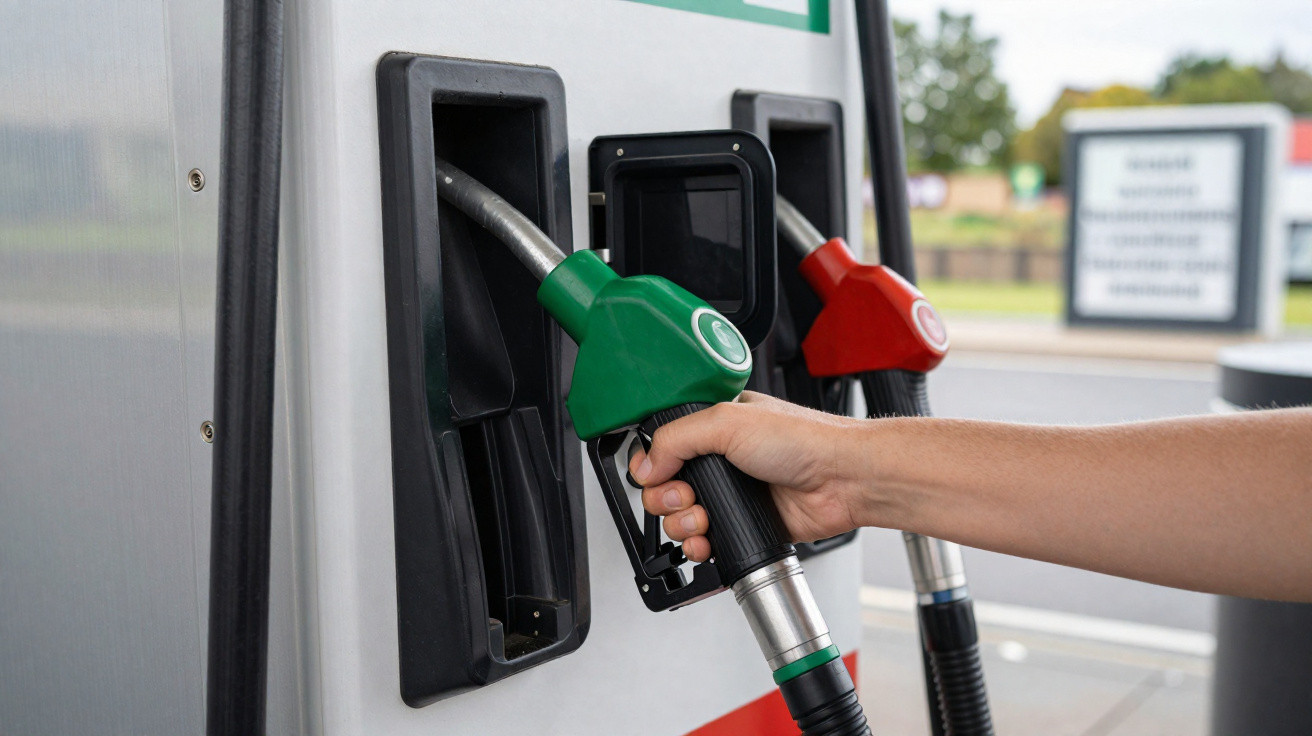
Choosing petrol can seem more complicated than it needs to be. At many UK filling stations, regular unleaded is E10 while super unleaded is E5, and the more expensive option can look like the safer choice.
For a car that is approved for E10 and designed to run on regular unleaded, paying extra for E5 may bring no useful benefit. E10 contains more ethanol and can have a small effect on fuel economy, but the lower price at the pump can still make it the better-value option. The key is to use the grade your vehicle manufacturer specifies, rather than choosing on price or reputation alone.
What E10 and E5 mean
The E refers to ethanol, an alcohol-based renewable fuel component blended into petrol. The number shows the maximum proportion of ethanol in the fuel:
- E10: up to 10% ethanol
- E5: up to 5% ethanol
E10 became the standard grade of petrol in Great Britain in 2021 and is widely sold as regular unleaded. E5 is still sold, usually as super unleaded with a higher octane rating.
That can create two separate questions which are often muddled together: whether your engine is suitable for E10, and what octane rating it needs. E5 is not automatically better merely because it is dearer. A car approved for E10 and specified to use regular unleaded will not necessarily gain anything from super unleaded.
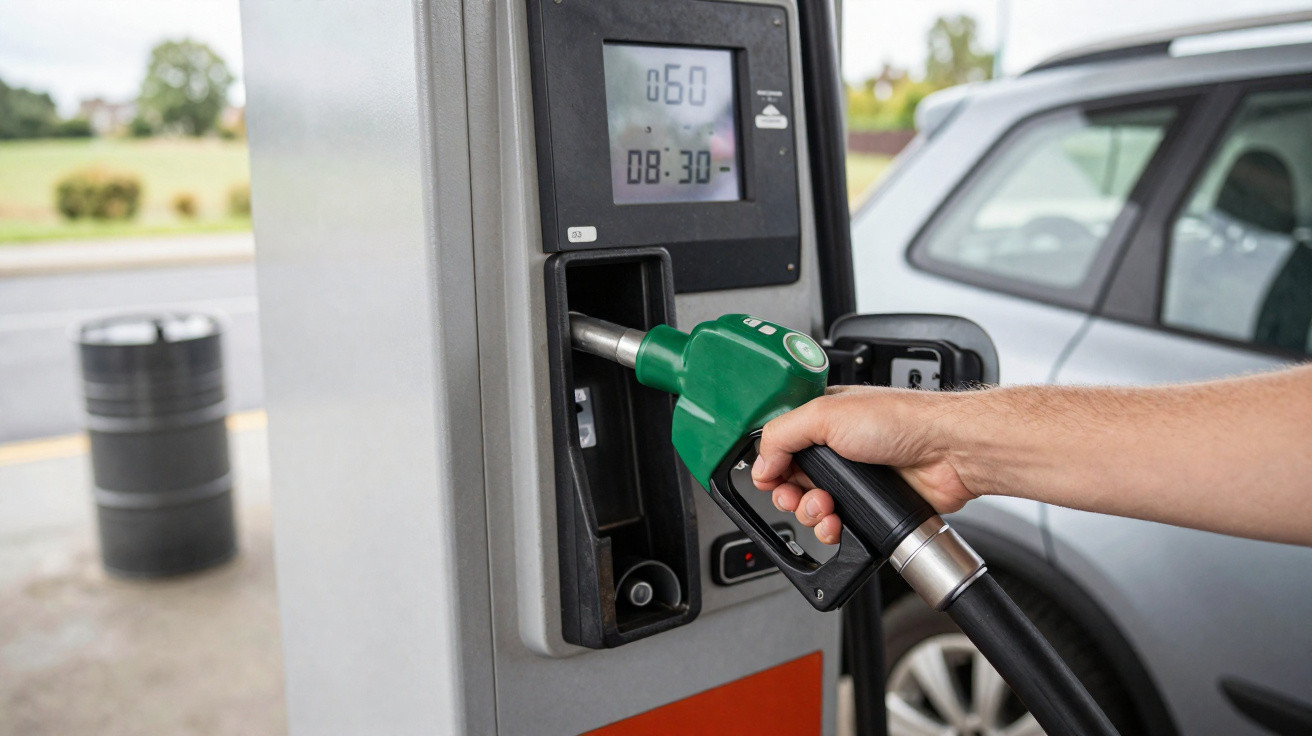
The correct petrol is the fuel specified in your handbook or on the fuel flap - not automatically the most expensive option at the pump.
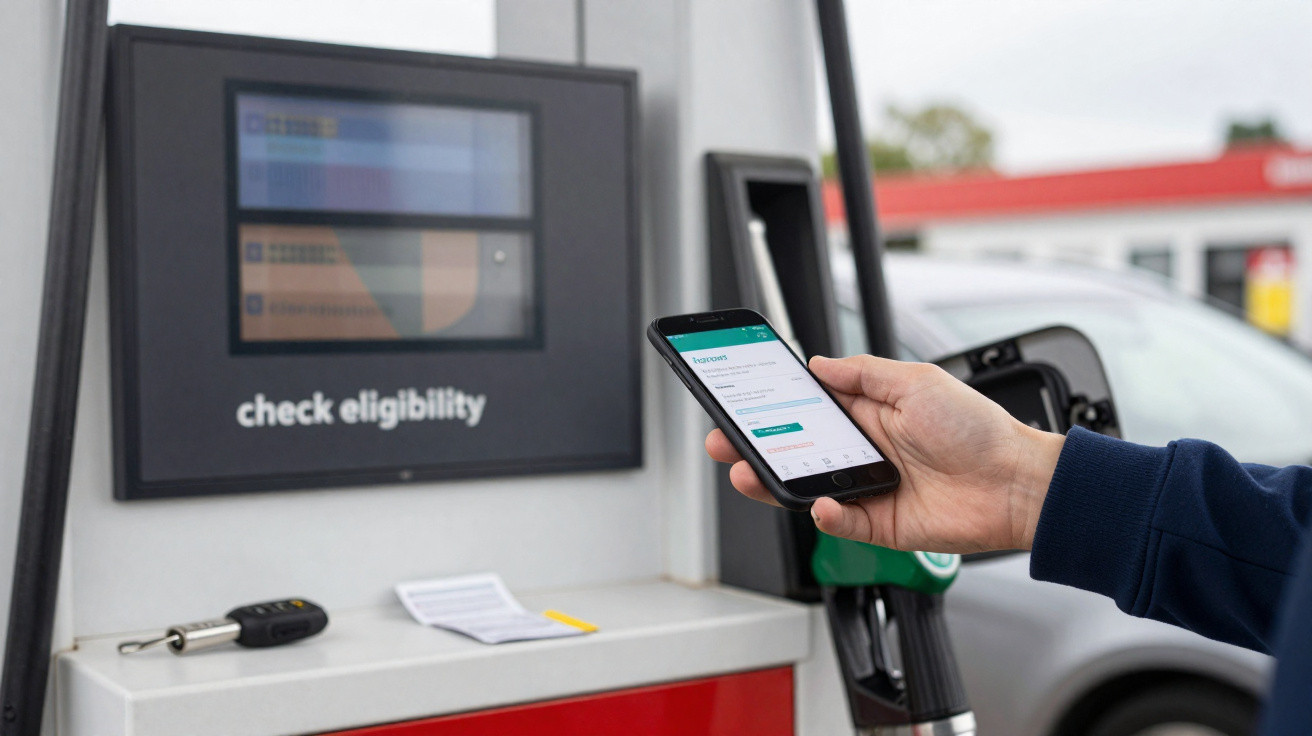
Check whether your car can use E10
Many petrol cars, particularly newer ones, can use E10. However, do not make the decision purely from the vehicle’s age. Some older cars, motorcycles, mopeds and specialist machines are not approved for it.
Ethanol can affect certain older fuel-system materials, including some hoses, seals and tanks. That is especially relevant to classic vehicles and to machines that were made before higher-ethanol petrol became commonplace.
How to confirm compatibility
Read the owner’s handbook. Look for the permitted fuel grade, minimum octane rating and ethanol content. Wording such as E5/E10 or E10 confirms that E10 is suitable.
Check the fuel flap or filler cap area. Many vehicles display a round fuel label showing the approved petrol type.
Use official guidance. GOV.UK provides information on E10 compatibility, while manufacturers can confirm requirements for a particular model.
Ask the manufacturer or a franchised dealer if you are unsure. Have the registration number or vehicle identification number to hand where possible.
If your vehicle is not approved for E10, use E5 where it is available. Do not assume that a fuel additive will make unsuitable petrol safe for an older vehicle.
Octane rating matters as well
Ethanol content and octane rating are related only in the sense that both appear on the fuel choice. They are not the same thing.
Regular unleaded petrol is commonly 95 RON, while super unleaded is often 97 RON or higher. Some engines - including certain high-performance, turbocharged and older designs - require, or recommend, a higher octane fuel. In those cases, the manufacturer’s octane requirement comes first.
Using a lower octane rating than specified can lead to reduced performance and, depending on the vehicle, may not be appropriate. Equally, filling a car designed for 95 RON with a higher-octane E5 petrol does not guarantee extra power, better economy or a cleaner engine.
Check for both details in the handbook:
- the minimum RON rating; and
- whether E10 is permitted.
The real-world cost of E10 versus E5
Ethanol contains less energy per litre than conventional petrol. Since E10 can contain more ethanol than E5, a vehicle may need slightly more fuel to cover the same distance.
In normal use, though, the difference can be difficult to separate from everything else that affects consumption. Cold weather, short journeys, stop-start traffic, tyre pressures, roof boxes, heavy loads and driving style can all make a noticeable difference.
The useful comparison is not simply pence per litre. It is what each suitable fuel costs over your regular journeys.
If E10 is clearly cheaper and your car is approved for it, its lower pump price may outweigh any small reduction in miles per gallon. If the price gap is very narrow, the outcome may be closer. The only reliable answer for an individual car is to record results over several tanks driven in similar conditions.
A simple way to compare costs
- Fill up with the correct fuel and reset the trip meter.
- Drive as you normally would.
- At the next fill, record the mileage, litres bought and price paid.
- Repeat over several tanks, rather than judging one journey.
- Compare the cost per mile, not just the displayed mpg figure.
Avoid switching back and forth after every small top-up. One motorway run or a week of school-run congestion can distort the result.
When E5 is worth paying for
E5 is the right fuel where the manufacturer says E10 must not be used. That alone is a good reason to seek it out, even if it costs more.
It can also be necessary where the handbook requires super unleaded or a higher minimum octane rating. Some filling stations sell E5 only as super unleaded, so the two requirements are often met by the same pump - but they should still be considered separately.
E5 may also be preferable for some vehicles that spend long periods out of use, such as classics, motorcycles, lawnmowers and other small-engined equipment. Petrol can deteriorate during storage, and ethanol can attract moisture. But E5 is not a complete storage solution.
For seasonal vehicles, follow the manufacturer’s storage instructions. Consider whether the fuel should be used promptly, whether the tank should be left at a recommended level, and whether an approved fuel stabiliser is appropriate for that engine. Never store petrol in unsuitable containers or indoors.
For an E10-approved car that needs ordinary unleaded, the least expensive suitable petrol is usually the sensible place to start.
Do not chase a supposed best time to buy petrol
Claims that petrol is always cheaper at a particular hour are not dependable in the UK. Forecourt prices vary by location, supplier and local competition, and they can change at different times.
Comparing nearby filling stations is generally more useful than waiting for a rumoured price drop. Supermarket forecourts, independent sites and motorway services can have very different prices on the same day.
It is also worth keeping the saving in perspective. A special detour to save a penny or two per litre can use fuel, take time and remove much of the benefit. Filling up as part of a journey you already need to make is usually the practical approach.
Common mistakes at the pump
- Assuming all older petrol vehicles can use E10. Always check, particularly with classics, motorcycles and small engines.
- Treating E5 as automatically superior. It may be suitable, but your car may not need its octane rating or lower ethanol content.
- Ignoring an engine’s octane requirement. An E10-compatible engine may still require super unleaded.
- Using premium petrol to mask a fault. Warning lights, fuel leaks, misfires or poor starting need proper diagnosis.
- Judging economy from one tank. Weather, traffic and route changes can have a bigger effect than the fuel choice.
- Confusing petrol and diesel nozzles. Check the pump label and your vehicle’s fuel flap every time.
Filling safely and making the sensible choice
Petrol vapour is highly flammable. Switch off the engine before refuelling, do not smoke or use naked flames, and follow the filling station’s instructions. Take care to avoid spills; if one occurs, alert staff where necessary and follow their advice.
If you put the wrong fuel in the vehicle, do not start the engine or turn on the ignition. Tell filling-station staff and arrange recovery or specialist help. Starting the vehicle can circulate the wrong fuel through the system and make the problem worse.
For most modern petrol cars in the UK, E10 is a suitable everyday choice when the handbook approves it and the required octane rating is met. E5 is worth the extra cost when the vehicle is not E10-compatible, requires super unleaded, or has particular storage needs. Check once, keep a note of the answer, and let your manufacturer’s specification - rather than pump-price assumptions - guide every fill-up.












Comments
No comments yet. Be the first to comment!
Leave a Comment