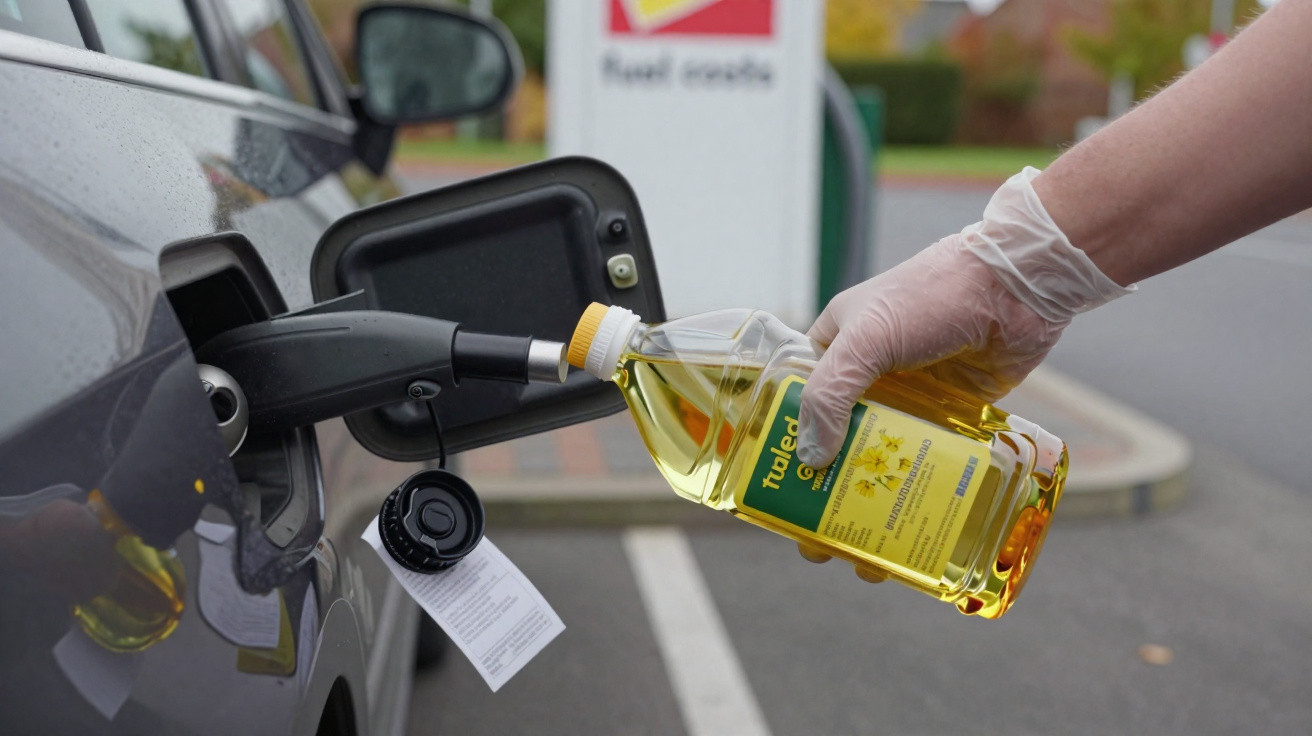
Higher pump prices can make a supermarket bottle of rapeseed oil look like a tempting shortcut. Some diesel engines may start and run on straight vegetable oil, particularly after warming up, but that does not make cooking oil a straightforward replacement for road diesel.
The key point for UK drivers is that an engine running is not the same as a fuel being suitable, economical or compliant with the relevant rules. Straight rapeseed oil differs significantly from forecourt diesel, and any apparent saving could be outweighed by fuel-system damage, a warranty dispute or an insurance problem.
Cooking oil is food first. A diesel engine's ability to burn it is not proof that it is the right fuel for that vehicle.
Why a diesel engine may run on rapeseed oil
Diesel engines ignite fuel through compression, and vegetable oil can combust under those conditions. That is why there are longstanding stories of older vehicles being run on rapeseed oil, sunflower oil or filtered waste cooking oil.
The difficulty is that straight vegetable oil is much thicker than road diesel, especially at lower temperatures. On a cold UK morning, it may not flow through the fuel system as the engine was designed to expect.
It also lacks the controlled specification of road diesel, including its cold-weather characteristics, detergency and consistency. Modern fuel systems are engineered around an approved fuel standard, not around variable kitchen products.
There is an important difference between:
- Road diesel, sold for use in diesel road vehicles and made to a recognised specification;
- Biodiesel, which has been chemically processed to alter its properties and may be blended into forecourt diesel;
- Straight vegetable oil (SVO), including ordinary rapeseed cooking oil, which has not had that processing.
Using a vehicle-approved diesel blend is not the same as pouring supermarket oil into its tank.
Is using cooking oil as fuel illegal in the UK?
Saying it is always illegal is too simplistic. HMRC has rules covering biofuels and fuel substitutes, including possible requirements around fuel duty, registration, returns and records. The position can depend on what is produced or used, how much is involved and whether fuel is supplied to another person.
That does not create a blanket permission to use cooking oil on the road. Do not assume an old online guide, forum post or video still reflects the current rules. Tax requirements can change, and deliberately avoiding duty or making an inaccurate declaration can have serious consequences.
Before considering any alternative fuel, check the latest GOV.UK guidance on fuel duty, biofuels and fuel substitutes. Keep receipts and records where the guidance requires them.
Checks to make before doing anything
- Read current HMRC guidance rather than relying on a historical allowance or threshold mentioned online.
- Check your vehicle handbook for the exact fuel specification required.
- Ask your insurer whether non-standard fuel use or a fuel-system conversion must be declared.
- If in doubt, seek advice from HMRC and a reputable vehicle specialist before producing or using fuel.
Meeting a tax requirement would not make straight vegetable oil suitable for every diesel engine.
Why modern diesel systems are at risk
Many newer diesels use common-rail injection systems operating at very high pressure. Their pumps and injectors have extremely fine tolerances, while their emissions systems rely on predictable combustion.
Using unsuitable fuel can contribute to problems such as:
- hard starting and rough running, particularly in cold weather;
- blocked fuel filters;
- poor injector spray patterns and incomplete combustion;
- deposits on injectors and within the engine;
- contamination or dilution of engine oil;
- strain on high-pressure fuel pumps;
- problems involving the diesel particulate filter (DPF) and emissions control equipment.
A vehicle may appear to cope at first, yet develop faults gradually. Repairs involving injectors, pumps or DPF-related components can be expensive, and damage linked to an unapproved fuel is unlikely to be covered by a manufacturer warranty.
Older diesels are not automatically suitable
Older mechanical-injection diesel engines are often considered more tolerant than modern common-rail units. Some enthusiasts have used dedicated conversion systems with heated fuel lines or a separate tank, helping reduce the oil's viscosity before it enters the engine.
That is not a simple driveway modification. A conversion needs to suit the precise engine, fuel system and intended operating temperatures. It may affect insurance, servicing, MOT emissions performance and resale value.
If you own an older diesel and are considering a conversion, speak to:
- the manufacturer or a marque specialist;
- a reputable conversion business familiar with your engine type;
- your insurer before altering the fuel system;
- HMRC or its current published guidance before making or using a fuel substitute.
Do not treat an online account of a similar-looking vehicle as evidence that yours will be suitable. Injection equipment, seals, maintenance history and engine variants all matter.
Common mistakes that turn a saving into a bill
1. Treating biodiesel and cooking oil as the same thing
They are not interchangeable. Biodiesel has been processed; straight rapeseed oil from a kitchen bottle is a different product with different flow and combustion properties.
2. Forgetting about cold weather
Vegetable oil thickens as temperatures fall. A blend that seems acceptable in mild weather may lead to poor starting or blocked filters during a winter cold snap.
3. Adding an unmeasured amount to the tank
An unknown mixture makes fault-finding harder and may take the fuel outside the vehicle maker's specification. Do not experiment with quantities in a vehicle you rely on.
4. Assuming filtered waste oil is clean fuel
Waste cooking oil can contain water, food particles, salt and degraded fats. Simple filtering is not the same as producing fuel to a controlled standard.
5. Failing to tell the insurer
A modified fuel system or use of non-standard fuel may be information your insurer needs to know. Ask before making a change, not after a breakdown or claim.
Safe handling in the driveway
Fuel work brings fire, spill and environmental risks. Even vegetable oil can create a serious slip hazard, while diesel and petrol need careful handling.
- Work outdoors or in a well-ventilated space, away from flames, heaters and sources of sparks.
- Never decant fuel beside a hot engine or while smoking.
- Use proper, compatible and clearly labelled containers; do not use drink bottles or improvised vessels.
- Keep fuel and chemicals away from children, pets, drains and soil.
- Use absorbent material for a small spill and dispose of contaminated waste in line with local authority guidance.
- Never mix cleaning chemicals to deal with a spill. In particular, bleach must never be mixed with acids or other cleaners, as dangerous gases can be produced.
If the wrong product has been added and the vehicle is running badly, avoid repeated attempts to start it. Tell a breakdown provider or garage exactly what went into the tank.
Lower-risk ways to cut diesel costs
For most drivers, using less approved fuel is a safer and more reliable saving than experimenting with a substitute. Start with practical measures that do not put the engine at risk.
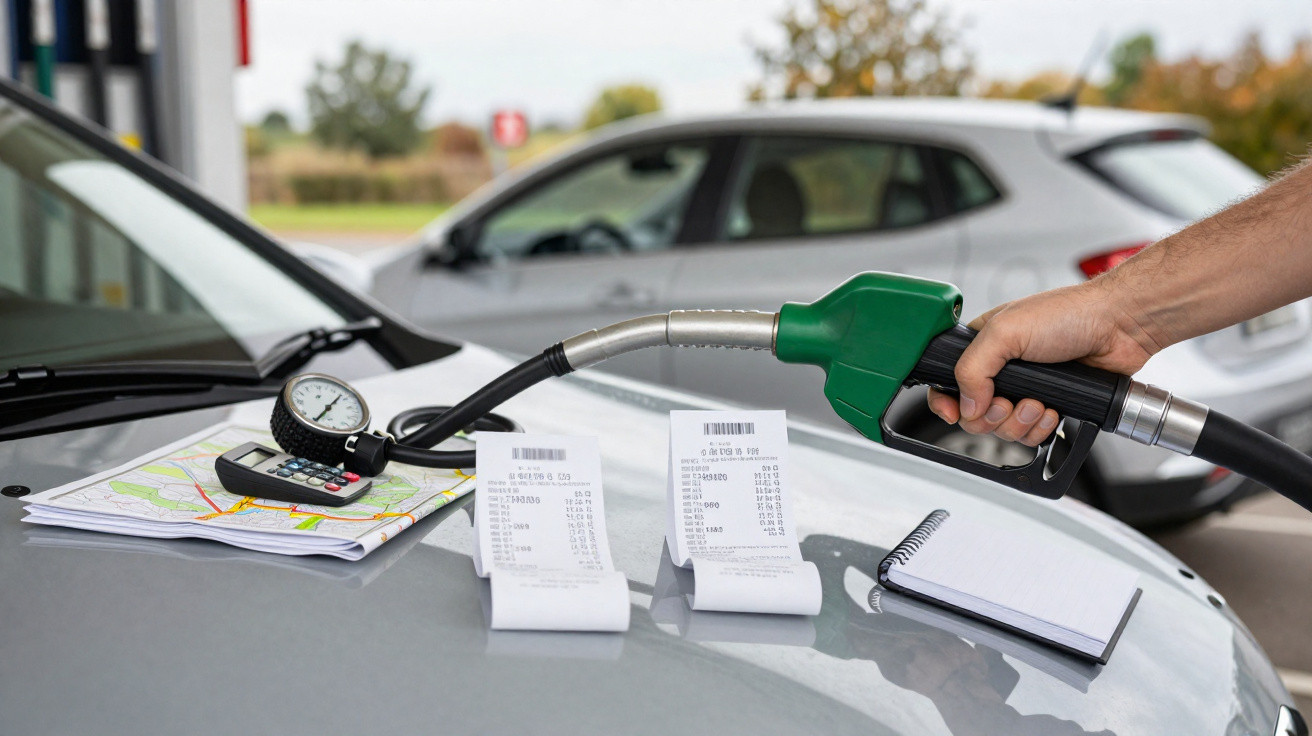
- Compare nearby forecourt prices before filling up, including supermarkets and independent stations.
- Check tyre pressures when cold, using the figures on the vehicle placard or in the handbook.
- Remove unused roof bars and unnecessary heavy items from the car.
- Combine errands where possible and avoid leaving the engine idling.
- Drive smoothly, anticipate traffic and use the highest appropriate gear when conditions allow.
- Keep up with servicing and use the correct engine oil.
- Consider whether some regular journeys could be made by public transport, cycling, walking or car sharing.
The sensible conclusion
Straight rapeseed oil may burn in certain diesel engines, but that narrow fact leaves out the important questions. UK drivers should consider HMRC requirements, insurance, the manufacturer's fuel specification and the potential cost of damage to injection and emissions equipment.
If the aim is to reduce running costs, use fuel that meets your vehicle's requirements and focus on lower-risk savings first. Anyone seriously considering an alternative-fuel conversion should obtain written advice for their exact vehicle and check the latest GOV.UK guidance before buying, making or using fuel.













Comments
No comments yet. Be the first to comment!
Leave a Comment