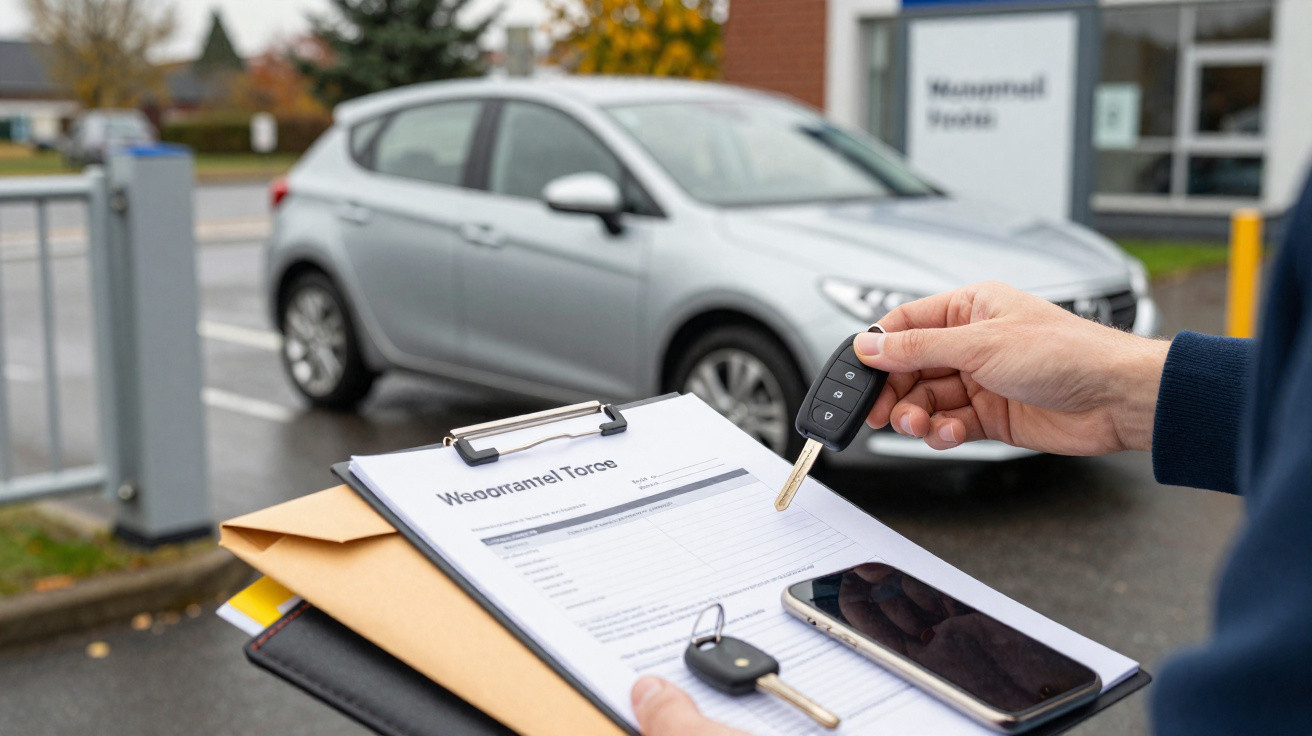
Buying a used car is stressful enough without finding the showroom shut, the phone unanswered and rumours circulating online. The key point is this: a dealer’s collapse does not automatically wipe out your rights, but you need to establish the legal seller, preserve your evidence and contact the right organisations quickly.
Whether you have paid a deposit, collected a faulty car, left yours in for repair or are waiting for a part-exchange deal to complete, the paperwork matters more than the name on the forecourt sign. A dealer group can include separate companies, franchises and third-party warranty or finance providers.
Establish which company sold you the car
A dealership may enter administration, liquidation or another insolvency process. It may also be only one branch or one company within a wider group that has failed.
Start with the legal name and company number on your order form, invoice, finance documents and warranty paperwork. That is usually the business against which any claim must be made, rather than another garage using similar branding.
Companies House can help you check a company’s status and filed insolvency information. If an insolvency practitioner has been appointed, their contact details may appear in Companies House filings, on the firm’s website or in notices sent to customers.
Do not assume that a nearby branch with the same branding is responsible for your purchase. Ask whether it is the same legal company, and get the answer in writing.
Gather and save copies of:
- the order form, invoice and deposit receipt;
- card-payment confirmation or bank-transfer details;
- the vehicle registration number and VIN, if known;
- the advert, including screenshots of condition, mileage and promised extras;
- emails, texts and messages with the dealer;
- finance, warranty, insurance and service-plan documents;
- repair bookings, diagnostic reports and photographs.
Work out your position before contacting anyone
Your options will depend on where the transaction had reached when the business failed.
1. You paid a deposit but have not collected the car
Contact the appointed administrator or liquidator, if there is one. Ask whether the vehicle is still on site, whether it was specifically allocated to you and whether the sale can be completed.
Do not assume that paying a deposit means you own the car. The answer can depend on the contract, whether the vehicle was clearly identified, and whether the dealer owned it outright or held it under another arrangement. The insolvency practitioner may need time to establish this.
If you paid any part of an eligible purchase by credit card, contact the card provider promptly. Section 75 of the Consumer Credit Act 1974 can make a credit-card provider jointly liable for certain breaches of contract or misrepresentation where the cash price of the goods is more than £100 and no more than £30,000.
The rules are not automatic: the card provider will need to consider the payment method, the contractual chain and the individual circumstances. A small credit-card deposit can still be relevant where the full cash price is within the qualifying range.
For a debit-card payment, ask your bank about chargeback. It is a card-scheme process rather than a legal right, and time limits may apply.
2. You collected the car but it has a fault
A dealer entering insolvency does not remove the standards that applied when it sold the vehicle. Under the Consumer Rights Act 2015, a car bought from a trader must generally be of satisfactory quality, fit for purpose and as described.
For a used car, what is satisfactory depends on its age, mileage, price, description and the nature of the fault. A buyer cannot expect an older, inexpensive car to perform like a new one, but serious undisclosed problems may still give rise to a claim.
If the car was bought on hire purchase, PCP or another regulated finance agreement, tell the finance company about the problem in writing. The finance provider may have obligations connected with the supply of the vehicle, depending on the agreement and circumstances.
Arrange an independent written diagnosis where appropriate. However, do not authorise substantial repairs before allowing the seller, administrator or finance provider a reasonable opportunity to inspect the issue, unless the vehicle is unsafe or urgent work is necessary. Keep invoices, reports and, where possible, any removed parts.
3. The dealer has your car for repair, servicing or part exchange
Act promptly if your vehicle is physically at a closed site. Write to the administrator or liquidator, identify the car by registration number and VIN, and ask how and when it can be collected.
Send evidence that the vehicle is yours, such as the purchase invoice, insurance certificate, service booking, recovery paperwork and photographs. A V5C can help identify the registered keeper, but it is not proof of legal ownership on its own.
If you part-exchanged your old car but have not received the replacement, ask whether the old vehicle has been sold and request copies of the relevant paperwork. The position can be complicated, particularly if there was outstanding finance or the agreement did not make clear when title passed.
Finance, warranties and extras may continue separately
The dealer may have arranged products supplied by other businesses, including mechanical warranties, GAP insurance, breakdown cover, service plans, alloy-wheel cover or paint protection. A dealer closure does not necessarily cancel these arrangements.
Read the policy schedule and terms rather than relying on what was said during the sale. Check for:
- the insurer, warranty administrator or service-plan provider;
- the policy number and claims contact details;
- the start date and cancellation rules;
- approved repairer requirements;
- exclusions for wear and tear, pre-existing faults or missed servicing.
If an add-on was included in the finance arrangement, speak to the finance provider before cancelling it or changing payments. Cancelling an insurance policy or warranty does not itself cancel the underlying credit agreement.
A warranty can be useful, but it is not a replacement for statutory consumer rights and it will not cover every mechanical fault.
Contact the insolvency practitioner in writing
Do not rely only on social-media updates, old web pages or a voicemail message. Once an administrator or liquidator is appointed, ask for a written response covering:
- the correct legal company name and case reference;
- whether your vehicle, deposit or repair booking is recorded;
- whether a car held at the premises can be collected;
- the process and deadline for submitting a creditor claim;
- the named contact handling customer enquiries.
If you are owed money, you may be asked to submit a proof of debt. Customers without security over the dealer’s assets are often unsecured creditors, and there may be little or no money available after higher-ranking claims. Submitting the form is still sensible, but recovery cannot be assumed.
Citizens Advice can explain the practical consumer route. For a complaint about a regulated finance firm, complain to the firm first. If it does not resolve matters, the Financial Ombudsman Service may be able to consider the complaint, subject to its rules and time limits.
Common mistakes when a dealership closes
A missing deposit or inaccessible vehicle creates pressure. Avoid making the situation worse by:
- Paying another deposit to secure the same vehicle without written confirmation of what has happened to the first payment.
- Stopping finance payments without advice. This may breach the agreement and affect your credit file.
- Relying on a verbal promise from another branch. Ask for clear written terms, including who is accepting responsibility.
- Signing a replacement order without reading it. A new agreement may alter the price, delivery date, part-exchange value or deposit position.
- Throwing away messages and adverts. They may show what was promised about condition, mileage or included work.
- Authorising costly repairs too quickly. Preserve evidence and the opportunity for inspection unless urgent safety work is needed.
Safety comes before the dispute
Do not drive a car that may be unsafe simply because the supplying dealer has closed. Brake or steering faults, fuel leaks, severe tyre damage, overheating, electrical burning smells and serious warning lights may require professional assessment or recovery.
If the car is stranded at a dealership site, do not force entry, remove it without permission or confront staff. Deal with the appointed insolvency practitioner, site owner or police where necessary. Take photographs from a lawful public place and retain a record of every call and email.
Protect yourself before the next purchase
Before paying a deposit, search the dealer’s legal name at Companies House rather than relying on its trading name alone. Reviews can reveal patterns of poor service, but they do not prove a dealer’s financial position or guarantee the condition of a particular car.
Make the order form specific. It should record the registration number or VIN where available, agreed repairs, accessories, deposit amount, part-exchange terms, delivery date and any conditions of the sale. Vague promises such as “to be sorted” are hard to enforce.
For a higher-value used car, consider an independent pre-purchase inspection. It cannot guarantee a fault-free future, but it may identify visible defects or concerns before you commit.
Keep calm and keep a paper trail
A dealer collapse is alarming, but a rushed response rarely helps. Identify the legal seller, keep every document, contact your card provider or finance company early, and put important requests in writing.
If your car is at the dealer’s premises, make your claim to it clear without delay. If money is missing, follow the insolvency process while also checking card, finance and insurance routes. Clear records and prompt action give you the best chance of protecting your position.












Comments
No comments yet. Be the first to comment!
Leave a Comment