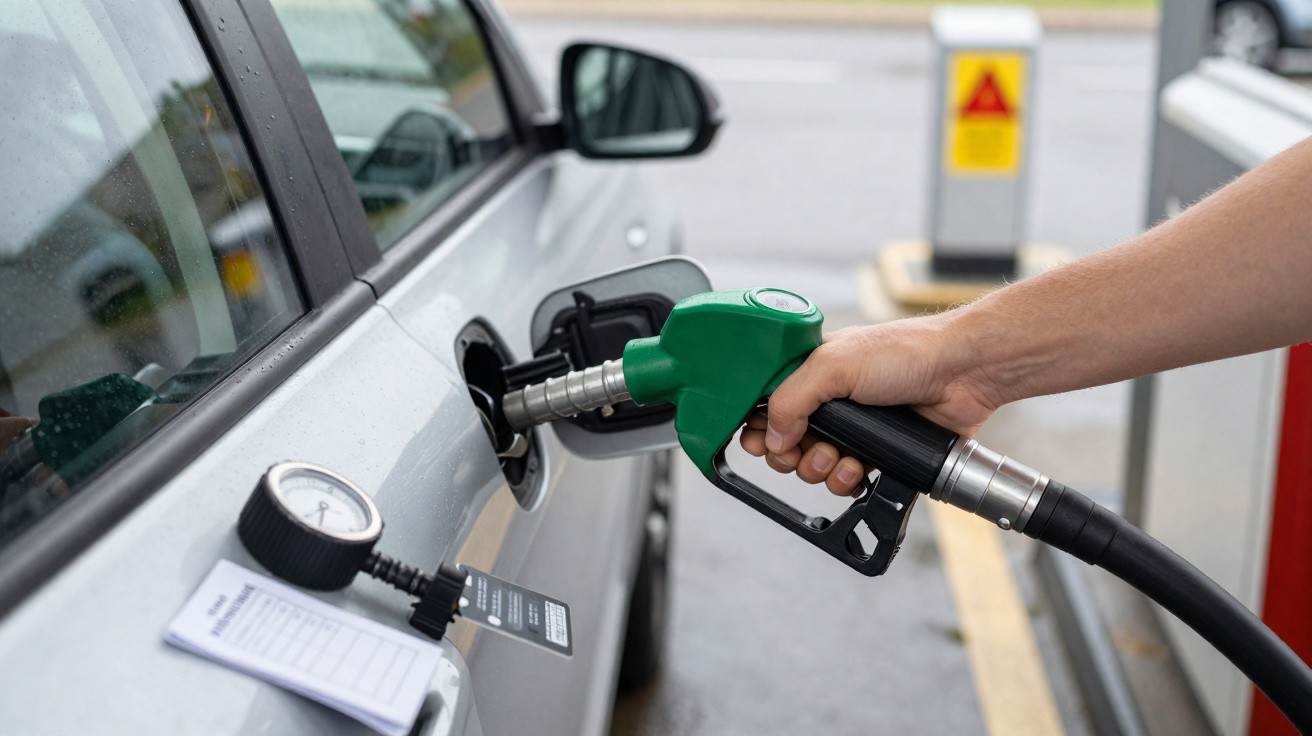
For many drivers, filling up no longer feels like a routine errand. It can mean postponing a visit, cutting back on other spending or watching a tight weekly budget disappear at the pump. Petrol and diesel cars remain essential for many households, particularly in places with limited public transport, but fluctuating fuel prices can make every mile feel costly.
The practical answer is not simply chasing the lowest number on a forecourt sign. It is making fuel spending more predictable: compare convenient local prices, avoid leaving refuelling until the last minute, reduce unnecessary mileage and make sure the car is not using more fuel than it should. It will not make fuel cheap, but it can give you more control.
Why fuel costs can upset a monthly budget
Fuel is often bought in large, unavoidable amounts. A small difference per litre may seem minor, but it soon becomes noticeable when filling a 50-litre tank or covering regular work and family journeys.
The pressure can be particularly acute for people who cannot easily leave the car at home, including:
- rural households with limited bus or rail links;
- shift workers travelling outside public transport hours;
- tradespeople carrying tools or materials;
- taxi, private-hire and delivery drivers;
- carers travelling between appointments;
- parents managing school, work and childcare journeys across several locations.
The lowest-priced forecourt is not always the cheapest option overall. Driving several miles out of your way through busy traffic to save a few pence per litre may use much of the fuel, time and money you hoped to save.
The aim is not to stop using the car altogether. It is to make each fill last longer and ensure each journey has a purpose.
Read the forecourt price properly
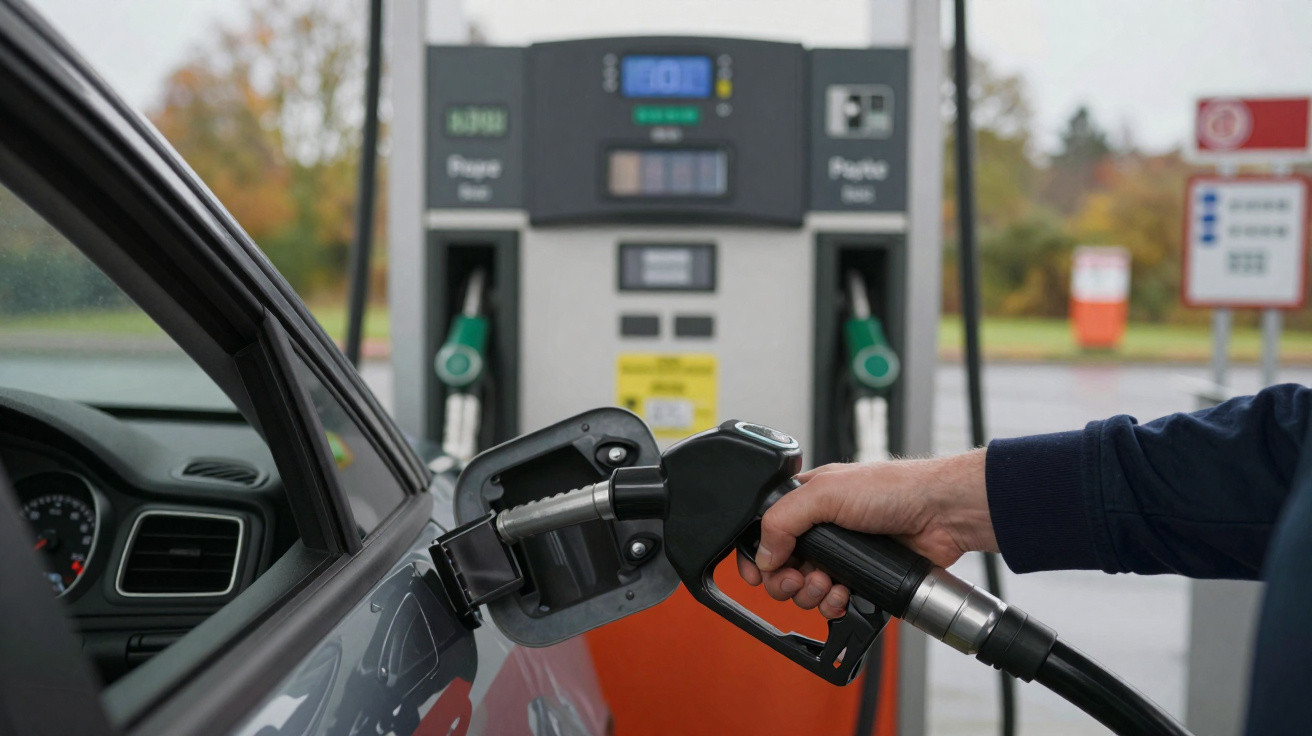
A price board is useful, but it does not tell the whole story. A dash, blank space or unavailable message beside one grade usually means that particular fuel is not available at that site at that moment; it does not necessarily mean the whole station has run out.
If your usual forecourt has a long queue or does not have the fuel you need, check how much fuel is genuinely left before making a rushed decision. If you can safely complete planned journeys, it may be better to refuel later at a convenient alternative rather than making a special trip.
1. Use the correct grade
Check the handbook, fuel flap label or manufacturer guidance before changing fuel grades. E10 is the standard petrol sold at most UK forecourts, but some older petrol vehicles are not approved to use it. Diesel vehicles should be filled with the diesel specified for the car.
Do not assume a premium fuel will automatically save enough fuel to justify its higher price. Some manufacturers specify or recommend particular grades for certain engines, so follow the vehicle guidance rather than relying on claims made at the pump.
2. Compare the whole journey
Before travelling specifically to buy fuel, consider:
- the difference in price per litre;
- how many litres you expect to buy;
- extra mileage, congestion and parking involved;
- whether the fuel stop fits a journey you were making anyway.
Supermarket forecourts can sometimes be competitive, while motorway services may charge more for convenience and location. Neither is always cheapest, so it is more useful to compare the two or three sites you can reach easily in normal driving.
Build a weekly fuel routine
Many expensive fills happen because fuel is treated as an emergency purchase: the warning light appears and the nearest forecourt becomes the only option. A simple routine can reduce that pressure.
1. Choose one day to check prices
Once a week, compare prices at two or three forecourts on routes you already use. Retailer apps, local comparison tools and forecourt boards can help, although online figures may not update immediately. Treat them as a guide, not a guarantee.
2. Do not routinely run the tank very low
Keeping some fuel in reserve gives you a choice if a station is busy, temporarily out of stock or unusually expensive. It also makes it easier to combine a fuel stop with a commute, food shop or other necessary journey.
There is no rule that everyone must fill the tank completely. If money is tight, buying a planned amount may be sensible. The key is to avoid repeated, urgent small purchases at whichever pump happens to be closest.
3. Include fuel in the household budget
Look at what the car usually uses in an ordinary month and allow some room for changes in price or unexpected travel. If you use a credit card or another form of borrowing for fuel, check the repayment date, interest and charges carefully. Using borrowing for recurring costs can turn a short-term difficulty into a longer-running problem.
If bills are becoming unmanageable, free and independent debt advice is available through organisations including Citizens Advice and StepChange. Seeking help early can be more constructive than relying on increasingly expensive credit for essential travel.
Use fewer litres on necessary journeys
The most dependable saving comes from using less fuel, not from risky tricks at the pump. Small changes can add up when they are repeated over several weeks.
Useful habits include:
- combining errands into one sensible route rather than making several separate trips;
- checking navigation before leaving and avoiding predictable delays where practical;
- removing roof boxes, roof racks and unnecessary heavy items when they are not needed;
- driving smoothly, anticipating traffic and keeping to legal speed limits;
- avoiding prolonged idling where it is safe and appropriate to do so;
- walking, cycling, sharing a lift or using public transport for journeys where those options are genuinely practical.
Cold and wet weather can increase fuel use. Winter journeys also bring more demisting, slower traffic and poorer road conditions. Never compromise safety to save fuel: clear all windows properly, use lights when required and do not drive if visibility is inadequate.
Check whether the car is wasting fuel
A sudden rise in fuel spending is not always down to the price board. It can be a sign that the vehicle needs attention.
Start with tyre pressures when the tyres are cold. Use the manufacturer’s recommended settings for the load you are carrying; these are commonly shown on a door frame, fuel flap, handbook or manufacturer information. Under-inflated tyres can increase rolling resistance, affect handling and wear more quickly.
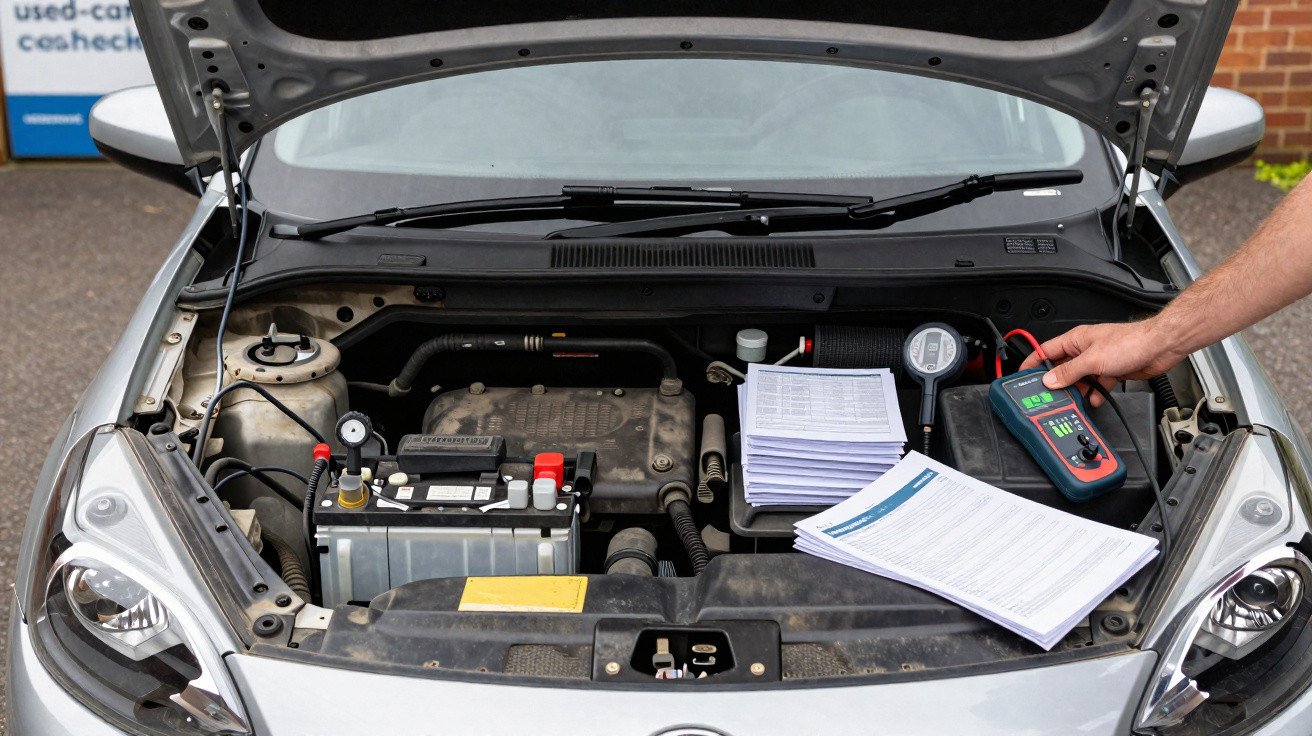
Consider whether the car is due a service or has developed a fault. A warning light, dragging brake, poor wheel alignment or other mechanical problem can affect efficiency and may also have safety implications. If something feels different when driving, arrange for a qualified garage to investigate it.
Fuel-saving driving should never mean coasting in neutral, switching off the engine while moving or ignoring warning lights. Losing control or delaying a repair is likely to cost far more than any fuel saved.
Give work travel its own plan
For people who use a car to earn a living, fuel is only one part of the cost. Insurance, tyres, servicing, depreciation, parking and unpaid travel time all matter too.
Keep clear records of business mileage, fuel receipts and work journeys. This can help you understand which routes or jobs are worthwhile and may be relevant when preparing tax records. Rules on mileage claims, allowable expenses and employment arrangements differ, so check current HMRC guidance or seek suitable professional advice if you are unsure.
Where possible, group appointments by area, confirm addresses before setting off and discuss travel expectations openly with clients or employers. Employees can ask whether there is a mileage policy, car allowance or route-planning support rather than quietly absorbing every extra cost.
Common mistakes that make expensive fuel worse
When prices rise, shortcuts can be tempting. These are among the most likely to cost more over time:
- Driving far out of the way for a tiny saving. Count the whole journey, not only the price per litre.
- Using the wrong fuel. Misfuelling can lead to serious damage and recovery costs.
- Waiting for the warning light every time. This leaves little choice over where and when to fill up.
- Ignoring tyre pressures or warning lights. Basic checks can prevent faults becoming more serious.
- Buying unverified fuel-saving gadgets or additives. Be wary of dramatic promises and follow manufacturer guidance.
- Making fuel borrowing routine. Short-term credit may become costly if repayment is delayed.
- Cutting winter safety checks. Tyres, screenwash, lights and clear visibility are essential, not optional extras.
A practical way forward
You do not need to park the car permanently or borrow money every time the tank needs filling. Start with one week: note the fuel level, plan essential journeys, identify two convenient forecourts and check tyre pressures. Then look at what changed.
The benefit is greater control. Separating necessary travel from habitual travel, keeping the car in good condition and avoiding last-minute refuelling can make petrol and diesel costs less disruptive, even when the numbers on the forecourt board remain difficult to swallow.














Comments
No comments yet. Be the first to comment!
Leave a Comment