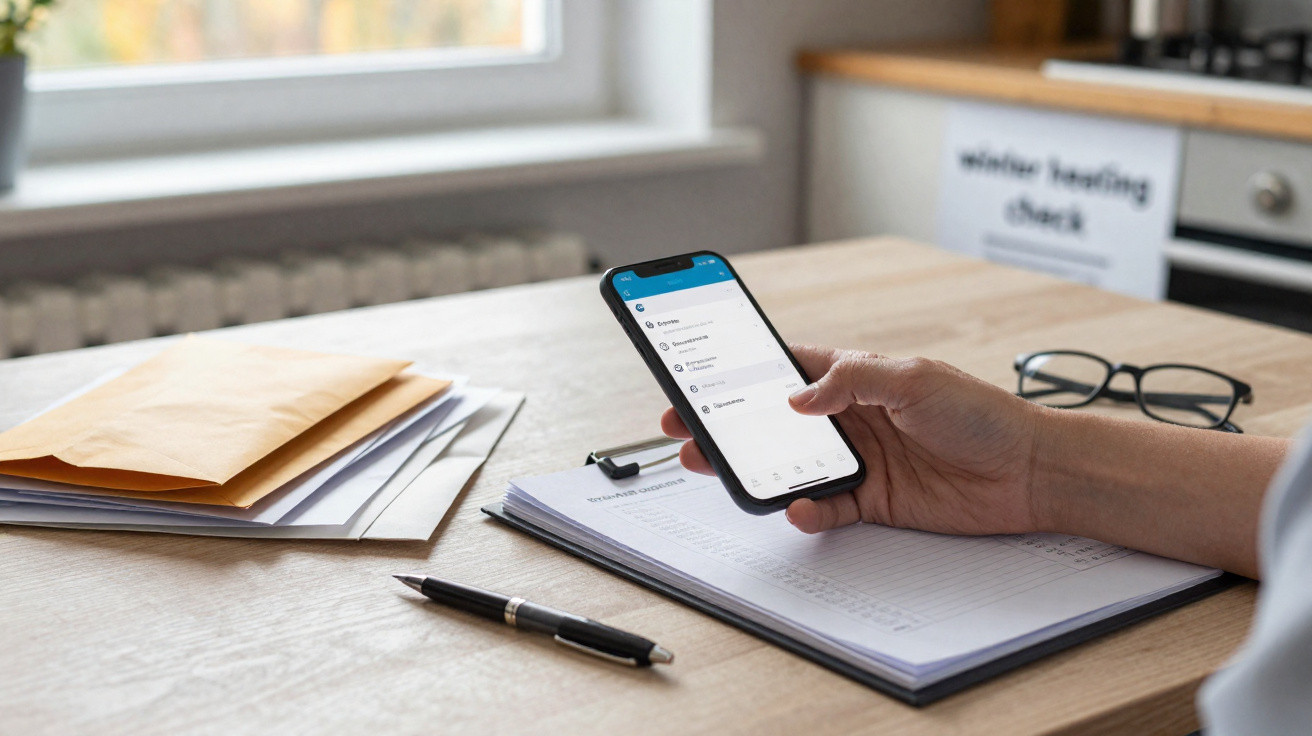
As colder, damper weather arrives, keeping a home warm can put real pressure on a household budget. For people living in the Republic of Ireland, Fuel Allowance may help with heating costs - but eligibility is not based on the energy bill alone. Your social welfare payment, income, housing arrangement and the people who live with you can all affect a claim.
The practical trick is to check the whole household position before applying. Fuel Allowance is a contribution towards heating costs, rather than an automatic discount on an electricity, gas, oil or solid-fuel bill. It is administered by Ireland’s Department of Social Protection, and the official rules should be checked before submitting an application.
The key question is not simply “Do I pay for heating?” but whether the household meets the payment, means and living-arrangement conditions.
What Fuel Allowance is designed to cover
Fuel Allowance is a seasonal social welfare payment intended to help eligible households with the cost of heating their main home. It may be relevant whether you use electricity, mains gas, heating oil, solid fuel or another domestic heating system.
In broad terms, an applicant must live in Ireland, satisfy the Habitual Residence Condition where it applies, be responsible for heating the home and meet the scheme’s income and household rules. People whose accommodation provider pays all heating costs as part of the arrangement will not normally qualify.
That point matters for renters, house shares, supported accommodation and anyone whose rent includes bills. Check exactly what your tenancy agreement or licence covers before assuming that an energy account in your name is enough.
This is an Irish scheme, not a UK-wide benefit. Readers in England, Scotland, Wales and Northern Ireland should instead start with GOV.UK, nidirect, Citizens Advice, Advice NI or their local council.
Begin with the main eligibility checks
Before completing a form, work through these essentials:
- Your normal residence: Fuel Allowance is for people living in Ireland, subject to the scheme’s residence rules.
- Responsibility for heating: you must normally be the person responsible for heating the household.
- Means: income, savings and other relevant circumstances can be considered.
- A qualifying payment or pension position: applicants below pension age will generally need to be receiving a qualifying social welfare payment. Different rules apply to people aged 66 and over.
- Everyone living in the home: household members and their circumstances can affect entitlement.
A person receiving a means-tested payment may already have had some financial circumstances assessed. That does not remove the need to provide accurate, up-to-date information when asked, particularly after a move, change in income or change in household membership.
The Department of Social Protection makes the decision on each claim. An online checklist can help you prepare, but it cannot confirm entitlement.
Why your household arrangement matters
Fuel Allowance is generally paid in respect of a household, rather than to every adult at an address. This is why a complete picture of who lives in the home is essential.
Living with a spouse, civil partner, cohabitant or dependent children does not automatically prevent a claim. Some other arrangements can also be covered by specific rules, including particular caring situations, qualifying older household members and some lodging arrangements.
However, a housemate, adult relative or lodger may affect a claim differently from a dependent child or partner. Do not assume that somebody is irrelevant because they pay little towards the bills or are only staying temporarily.
Give the real household picture, including adult children, partners, lodgers and recent changes in living arrangements.
If you have separated from a partner, moved in with family, begun letting a room or taken in somebody who needs care, get clarification before applying. These changes can affect more than one welfare payment.
Check whether your payment can support a claim
For people under 66, Fuel Allowance is generally linked to receiving a qualifying long-term social welfare payment as well as meeting the means and household conditions. Qualifying payments can include certain payments connected with disability, caring, lone parenting, bereavement, low income and unemployment.
The exact list matters. Similar-sounding payments are not always treated alike, and qualifying conditions can change. In particular, unemployment-related payments may require a person to have been receiving the relevant payment for a specified period before Fuel Allowance becomes available.
People aged 66 or over may be able to qualify without receiving one of the usual qualifying payments, but the means test and other conditions still apply.
Avoid relying on an old social-media post, a neighbour’s experience or a list from a previous heating season. Read the current Fuel Allowance guidance on gov.ie, or ask the Department of Social Protection or Citizens Information to explain how the rules apply to your circumstances.
Work, training and caring: do not assume support ends
Starting employment, training or a community scheme does not always mean Fuel Allowance stops at once. There are provisions for some people moving from qualifying payments onto employment and education supports.
Schemes that may be relevant include:
- Back to Work Allowance;
- Back to Education Allowance;
- Back to Work Enterprise Allowance;
- Community Employment;
- Rural Social Scheme;
- Tús.
Whether you can retain Fuel Allowance or make a new claim depends on your previous payment, the timing of the move and the rest of your circumstances. Half-rate payments can also be complicated.
Do not cancel a claim, or decide not to apply, simply because you have started a course or scheme. Ask for an individual explanation first.
How to apply with the right information ready
Applications can usually be made online through MyWelfare using a verified MyGovID account. Paper applications may also be available for people who cannot apply online.
1. Read the current official guidance
Check gov.ie before you begin. The payment period, rate, application process and accepted forms can change, so previous years’ details may be out of date.
2. Use the form that matches your age and circumstances
Paper applicants are generally directed to the relevant Fuel Allowance form, commonly NFS1 for people under 66 and NFS2 for those aged 66 or over. Confirm the current form number before downloading, printing or requesting one.
3. Prepare your household details
Have details of your address, rent or accommodation arrangement, heating responsibility, income and everyone living in the home. Explain clearly if you have a lodger or if bills are included in rent.
4. Keep a record of what you send
Keep copies or photographs of forms, supporting documents and any correspondence. This makes it easier to answer follow-up questions or correct a misunderstanding.
An Intreo Centre, Social Welfare Branch Office or Citizens Information Centre may be able to help if paperwork or online access is difficult.
Common mistakes that can delay a decision
Avoid these frequent errors:
- assuming that an electricity or gas account in your name proves eligibility;
- leaving adults out of the household details;
- using an old form, rate or payment date found online;
- confusing Jobseeker’s Allowance with Jobseeker’s Benefit;
- failing to report a move, separation or change in rent arrangements;
- overlooking the fact that heating is included in accommodation costs;
- waiting until the weather is severe before seeking information.
Never give false information or alter documents. If a question is unclear, explain the situation honestly and ask for help rather than guessing.
Keep heating safely affordable while you wait
A claim should not stop you taking sensible steps to reduce wasted heat. Draught-proofing gaps around external doors, closing curtains at dusk, using heating controls properly and keeping sofas or curtains clear of radiators can help a home feel more comfortable.
For oil-heated homes, check the tank level early and compare delivery prices before an urgent refill is needed. Do not use an oven, barbecue, charcoal burner or improvised device to heat a room. These can create serious fire and carbon monoxide risks.
Use suitable carbon monoxide alarms where fuel-burning appliances are present, following the manufacturer’s instructions for siting and testing. If energy bills are becoming difficult to manage, contact the supplier promptly to discuss payment options and keep meter readings and bills in a safe place.
The practical next move
If you live in Ireland, pay for your household heating and think you may meet the relevant welfare and means conditions, check Fuel Allowance now. Start with the household details, then consult the latest gov.ie guidance or speak to an official advice service before applying.
For households elsewhere in the UK, Ireland’s Fuel Allowance is not the route to support. Check the official schemes for your nation and ask Citizens Advice, Advice NI or your council about help that may be available locally.













Comments
No comments yet. Be the first to comment!
Leave a Comment