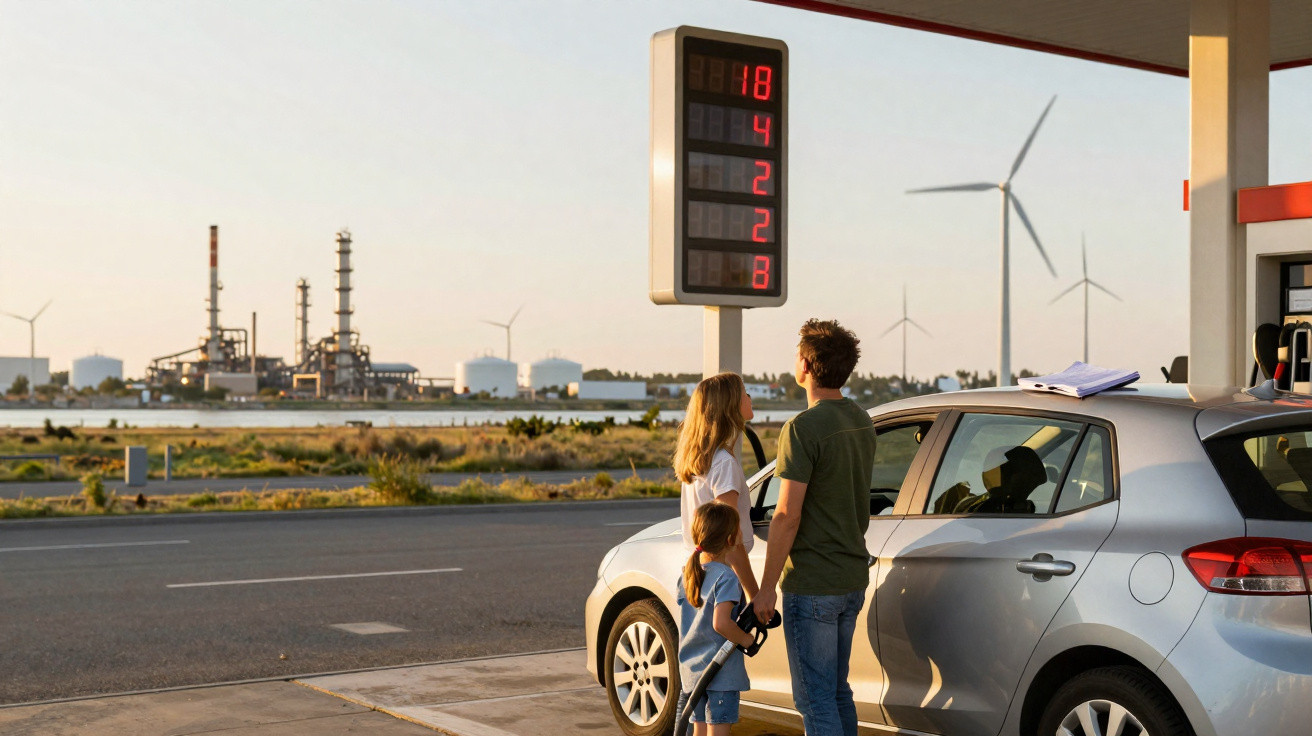
It is always more comfortable to blame outside forces than to accept our own responsibilities. That is exactly what we are seeing in Europe when it comes to fuel prices. The explanations, which are hardly worth repeating, are almost invariably based on external factors.
Europe’s refining capacity and fuel prices
Yet the current crisis cannot be explained solely by external forces or the price of a barrel of oil. Refined products, especially diesel, have become far more expensive than crude oil, and it is worth remembering something seemingly obvious: our cars do not run on crude oil. It is precisely in refining capacity that Europe has become sluggish: 35 refineries have closed across Europe since 2009. Unless something changes, that trend will continue.
So I have bad news. Even if oil prices fall, we will still pay more for fuel than necessary. That said, many of these closures did have economic reasons.
Falling demand, soaring energy costs - can someone explain why on earth Germany shut down all its nuclear power stations? - periods of overcapacity, and so on. All of that is true, but there has also been self-inflicted damage.
Since 2013, European refineries have had to bear carbon costs under decisions made by European institutions, while imported fuels enter the European market without an equivalent adjustment. This gives refined products made outside Europe a structural advantage. It is an indirect incentive to shut facilities here and buy from elsewhere.
On top of that, European refineries operate under a more demanding regulatory framework. As early as 2015, the sector warned that the investment requirements arising from European emissions rules were leading many companies to opt for closure.
Climate transition requires European refineries
Some will say it is legitimate to demand a less polluting industry. I would go further: it is essential. But those ambitions must be consistent with reality. Without a strong European refining industry, Europe risks having a climate transition that looks attractive on paper but is fragile in practice.
Production does not vanish from the world; it leaves Europe. We are therefore worsening the emissions problem without realising it, while the oil companies carry on as usual. They are not the ones I am concerned about.
Almost everything that keeps the real economy moving depends, directly or indirectly, on refining. Nearly all the energy used in military operations, agriculture, industry and construction still relies on these products. That will not change by decree. For that reason, the expression “climate transition”, so often used carelessly, should compel us to reconsider how we genuinely intend to carry out this transition.
The cost to families and political responsibility
When an economic stranglehold of this scale is placed on families, the climate transition risks losing coherence, support and momentum. It also becomes less effective, because resources - scarce ones, naturally - are being wasted when they could be deployed in other areas with a real impact on the goals we have set.
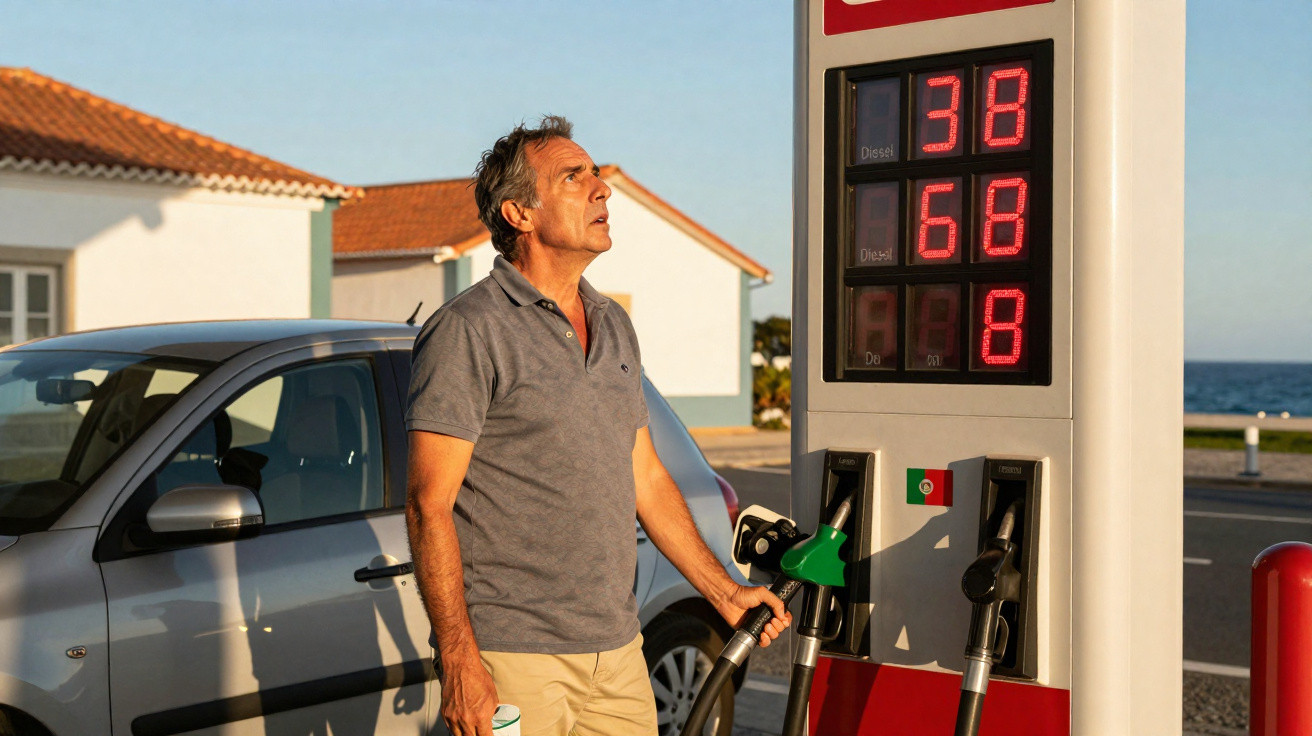
Having said that, I do not know whether petrol or diesel will reach three euros per litre. I hope not. But that appears to be the route they are cheerfully setting for us. It is time to demand accountability from European politicians.
These decisions did not fall from the sky, nor were they imposed by an outside force. They were taken in our name by enlightened vanguards, often without a genuine public debate about their costs or consequences.
More seriously still, many of these decisions do not appear to be supported by the political make-up of, for instance, the European Parliament, or by the measures included in election manifestos. No taxation without representation.



Comments
No comments yet. Be the first to comment!
Leave a Comment