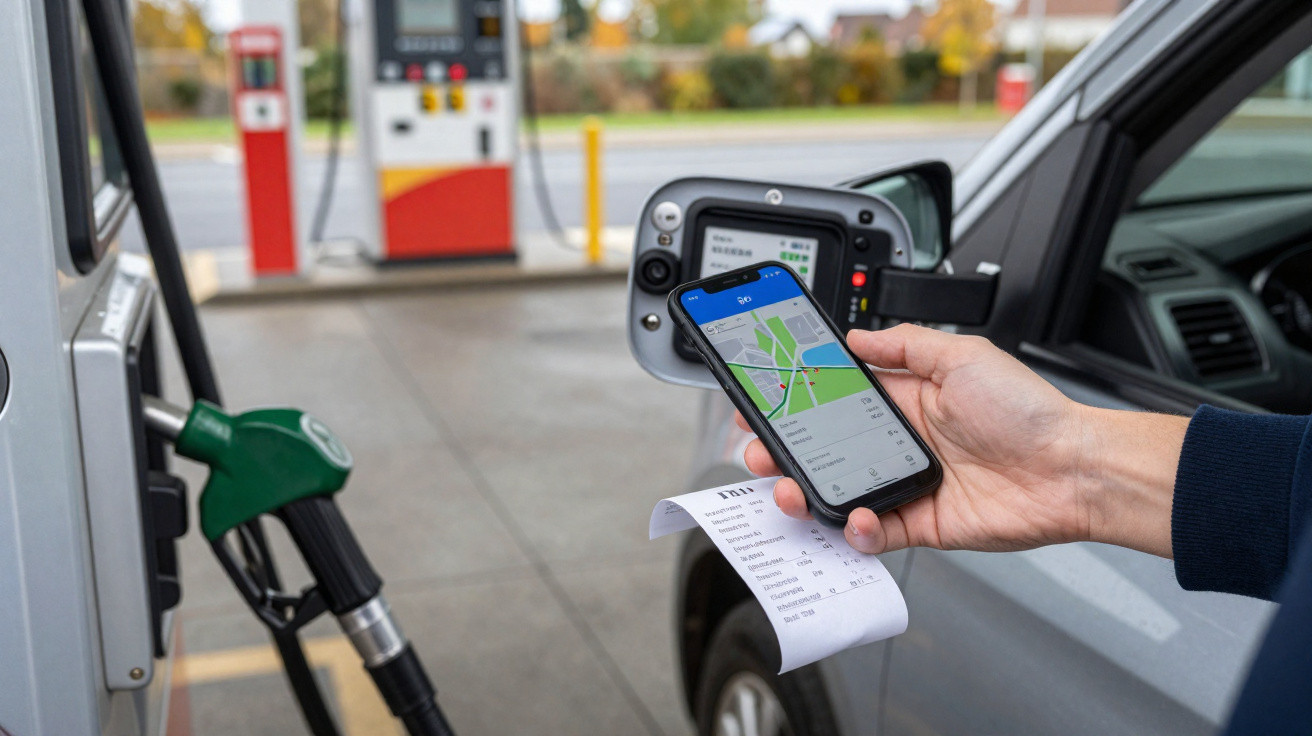
Fuel prices can turn an ordinary commute, school run or weekend away into an unwelcome expense. The number on a forecourt sign may change between visits, while motorway and rural stations can be far dearer than a supermarket or town-centre site.
The useful takeaway is not to try to predict every movement in oil markets. For UK drivers, the most reliable way to control fuel spending is to compare nearby prices before the tank is nearly empty, avoid costly detours and keep the car using fuel efficiently. Claims about unprecedented prices should always be checked against the country, fuel grade and period being discussed: German price data, for example, does not directly describe what UK motorists pay.
Why pump prices vary so much
The price on the pump is not simply the price of crude oil converted into pence per litre. Petrol and diesel are refined products, and the final retail price can reflect several separate costs and decisions.
These include:
- wholesale fuel prices;
- the pound’s exchange rate against the US dollar;
- refinery, storage and transport costs;
- biofuel blending requirements;
- fuel duty and VAT;
- local competition between filling stations;
- a retailer’s own pricing policy.
In the UK, fuel duty is charged per litre and VAT is then applied to the total purchase price. A movement in crude oil prices can therefore take time to feed through to the forecourt, and it may not do so evenly across every region.
A station in a competitive retail area may be cheaper than one a few miles away on a motorway, near an airport or in an isolated location. That does not necessarily mean the expensive site has done anything unusual; it may simply have higher operating costs and fewer nearby rivals.
A cheaper forecourt is most useful when it is already on your route. Driving miles out of the way can wipe out the saving.
Do not rely on one headline or one national average
National average prices are useful for spotting broad trends, but they cannot tell you what a particular journey will cost. They may also combine different regions and types of forecourt, masking substantial local differences.
Price reports from motoring organisations in other countries need particular care. ADAC is a German motoring organisation, so its fuel-price analysis concerns the German market, where tax arrangements, retailer competition, fuel specifications and pricing patterns differ from those in the UK.
For everyday decisions, compare the stations you can realistically use near home, work and your regular routes. The relevant figure is the displayed price for the exact fuel your vehicle needs.
That means checking whether an advertised low price applies to:
- regular unleaded petrol rather than super unleaded;
- diesel rather than petrol;
- a specific branch rather than every location in a chain;
- the time you intend to buy, rather than an earlier price update.
Compare prices before you need fuel
A small amount of planning can prevent the familiar situation of having to stop at the first available forecourt with the warning light on.
1. Check stations on your normal route
Use a reputable fuel-price comparison service, mapping app or retailer website before a planned fill. Price information may not update instantly, so regard it as a guide rather than a guarantee.
Look at a handful of stations you could pass naturally. A supermarket forecourt, retail-park site and independent station in the same area can all be worth comparing.
2. Calculate the real saving
The difference can sound larger than it is. A saving of 4p per litre on 35 litres comes to £1.40. That is worthwhile if the cheaper station is nearby or on the way, but it is unlikely to justify a long cross-town trip.
Also factor in time, traffic, parking manoeuvres and the fuel used on the detour. The best value is often a reasonably priced station that fits into an existing journey.
3. Leave yourself options
Do not wait until the tank is almost empty before checking prices. Filling up when the gauge is around a quarter full gives you more choice, particularly before a long trip, a bank-holiday weekend or travel through rural areas.
If fuel is genuinely low, fill up at a safe, convenient station rather than gambling on a possible price drop or hoping to find a cheaper site later.
Is there a cheapest time of day?
There is no dependable hour at which every UK forecourt is cheapest. Some retailers alter prices more often than others, and online reports can lag behind a recent change at the pump.
It is sensible to notice patterns at the stations you use most often, but fixed rules such as “always buy in the evening” should be treated cautiously. A lower displayed price now is more useful than a theory about what the price might be tomorrow.
Motorway services are often a costly place to make a routine fill. Where practical, fill up before joining a motorway or after leaving it. The same applies to routes with limited competition, such as some airport approaches and remote holiday areas.
Planning one ordinary fill before a long journey is usually more effective than searching for a perfect price once you are already low on fuel.
Reduce fuel use between fill-ups
Comparing prices saves at the forecourt, but reducing consumption can make a bigger difference over time. Most measures are straightforward and do not require specialist equipment.
Basic vehicle checks
- Check tyre pressures regularly, and before a long journey, using the settings in the handbook or on the vehicle placard.
- Remove roof boxes, roof bars and bike carriers when they are not required; they can increase aerodynamic drag.
- Take unnecessary heavy items out of the boot.
- Follow the manufacturer’s servicing schedule and investigate warning lights promptly.
- Use the correct engine oil and fuel grade specified for the vehicle.
Smoother driving habits
Look well ahead, accelerate progressively and ease off early when approaching junctions, queues or lower speed limits. Maintaining a steady speed where road and traffic conditions permit can reduce wasted acceleration and braking.
This is not an invitation to drive unusually slowly or obstruct other road users. Stay within the speed limit, keep a safe distance and adapt to weather, visibility and traffic. Saving fuel is never more important than driving safely.
Common mistakes when trying to save on fuel
Making a special journey for a tiny discount
A lower price is not always a better deal. Fuel burned on the detour, plus your time, may exceed the saving. Compare stations that work with your existing plans.
Buying premium petrol without checking the handbook
Some vehicles require or recommend a particular fuel grade. Many petrol cars, however, are designed for regular unleaded. Paying extra for a higher-octane fuel does not automatically improve economy or performance. Check the handbook and the fuel-filler label.
Running the tank almost dry
Leaving the warning light on for miles limits your choices and can make an expensive stop unavoidable. It also creates unnecessary stress if there is congestion, a diversion or a closed station ahead.
Trusting old app prices without checking the pump
Even useful price-comparison tools may show a price submitted earlier in the day. Confirm the displayed price before you start filling, especially if the difference is important to your budget.
Handling fuel containers carelessly
Only use suitable, approved fuel containers and secure them upright during transport. Keep petrol away from flames, cigarettes, electrical sparks and hot surfaces. Never decant fuel indoors or in an enclosed space: petrol vapour is highly flammable.
Build a routine that suits your journeys
The aim is not to chase every one-penny movement in fuel prices. It is to avoid being forced into the least convenient and most expensive option.
Keep a short list of sensibly priced stations near your home, workplace and regular routes. Check local prices before a planned fill, combine it with a journey you already need to make and keep tyres correctly inflated. Before a holiday or long motorway trip, fill up while you still have a choice of forecourts.
Fuel prices are influenced by global markets, taxation and retailer decisions that individual drivers cannot control. Choosing where to buy, maintaining the vehicle and driving smoothly are practical steps that can make the next fill less painful.










Comments
No comments yet. Be the first to comment!
Leave a Comment