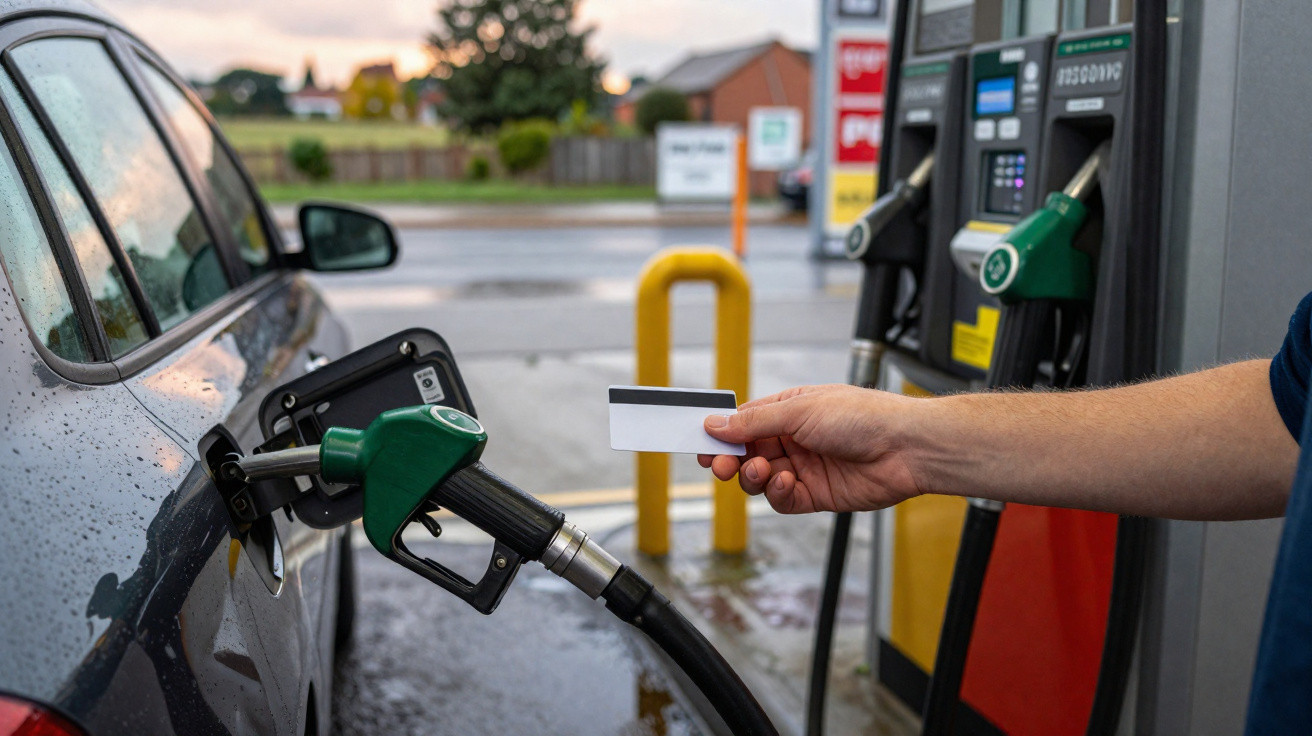
A low fuel warning light and a steep price on the forecourt can make a routine stop feel like a real blow to the weekly budget. The key point is simple: leaving without paying is never a saving. If payment fails, speak to the cashier before moving your vehicle or leaving the site.
High prices make it more worthwhile to compare local pump prices, plan journeys and reduce avoidable fuel use. They also explain why some filling stations use pay-at-pump systems, card pre-authorisation and tighter overnight procedures.
If a card payment fails, stay on site and speak to staff straight away. An agreed payment arrangement is very different from simply driving off.
Why unpaid fuel is taken seriously
Petrol and diesel are supplied before the final payment is completed, which leaves filling stations exposed when a driver departs without settling the bill. A deliberate drive-off may be investigated as a criminal matter, depending on the circumstances.
The value of the fuel is not the only issue. An unpaid transaction can require staff to check the pump record, preserve CCTV footage, note vehicle details and follow the operator’s reporting process. Repeated incidents can lead to more restricted procedures for everyone, particularly during quieter night-time periods.
It is important not to assume that a genuine mistake will automatically be treated as dishonesty. A forgotten wallet, declined card or banking problem should be dealt with openly and immediately. Leaving without an agreement, however, can make a straightforward problem much harder to resolve.
What you may notice at UK filling stations
Procedures vary between supermarket forecourts, independently run stations, motorway services and rural filling points. A site may also operate differently late at night or when fewer staff are working.
You may come across:
- Pay-at-pump terminals, where a card or mobile wallet is authorised before fuel is released.
- Card pre-authorisation, where a temporary amount is reserved before the final fuel cost is confirmed.
- Staff-controlled pumps, activated from the kiosk after staff have seen the vehicle.
- Restricted pumps, particularly overnight or at pumps furthest from the shop.
- Night-payment windows or pay-at-pump-only service.
- CCTV and number-plate recognition, used for safety, security and investigating incidents.
A temporary hold on your card can be confusing, especially when money is tight. It is not necessarily an extra charge: the final transaction should reflect the fuel actually supplied. The time taken for any unused amount to be released can vary between banks and card providers.
If your payment will not go through
A failed payment is awkward, but it can usually be handled sensibly if you act before leaving the forecourt.
1. Stay at the site
Do not drive away. If you are blocking a pump, ask the cashier whether they would like you to move to a particular parking space. Do not move your vehicle off site unless staff have clearly agreed what will happen next.
2. Speak to the cashier promptly
Explain what has happened without becoming defensive. The station may have a set process for an unpaid fuel transaction, which could include recording your contact details, vehicle registration and the amount owed.
3. Ask about acceptable ways to pay
You may be able to use another card, a mobile wallet, cash where it is accepted, or another legitimate method permitted by the operator. Do not assume a relative or friend can pay remotely: check with staff first.
Avoid handing over valuables, keys or identity documents as an informal deposit. If the station proposes an arrangement you do not understand, ask for it to be explained clearly and request written confirmation of the amount, deadline and contact details.
4. Keep the record and settle it as agreed
If staff allow you to leave under an agreed arrangement, retain the receipt or reference number. Pay by the agreed deadline and contact the station as soon as possible if a genuine issue prevents this.
A payment problem is easiest to sort out while you are still at the counter and staff can record the facts accurately.
Common mistakes that can look suspicious
Most payment issues are avoidable. A few rushed habits can create confusion for both drivers and forecourt staff.
- Filling up before checking you can pay. Check that you have a working card, phone payment method or another accepted option.
- Mistaking a pre-authorisation for the final cost. Check your account again later rather than assuming the temporary hold is a duplicate charge.
- Leaving to find cash without agreement. Even if you intend to return, speak to staff before going anywhere.
- Quoting the wrong pump number. Pause before paying and check the number displayed on the pump.
- Assuming an illuminated forecourt means the shop is open. Some sites operate entirely through pay-at-pump systems overnight.
- Arguing about security checks. Staff are usually following the site’s procedure. Ask calmly what information is needed and why.
Legitimate ways to spend less on fuel
There is no dependable trick that makes fuel cheap, but planning can reduce the amount you spend over time.
Compare prices without wasting the saving
Use a reliable fuel-price comparison service, a retailer app or local knowledge before setting off. Prices can differ noticeably between nearby areas, but do not make a long detour merely to save a few pence per litre. Extra mileage, traffic and time can easily outweigh the benefit.
Check the pump display before filling. Online information can be delayed, and a station’s price may have changed since you looked.
Avoid running the tank too low
Buying only enough to reach a cheaper station can make sense if it is genuinely on your planned route. Do not run the tank so low that you risk being stranded, particularly before a long journey, in cold weather or where rural stations are sparse.
Keeping a sensible fuel reserve is also useful when diversions, congestion or a missed turn add unexpected miles.
Help your car use less
Modest changes can make a practical difference across a year:
- Check tyre pressures when the tyres are cold, following the settings in the vehicle handbook or door-frame label.
- Remove heavy items from the boot when they are no longer needed.
- Take off roof bars and roof boxes when they are not in use.
- Accelerate smoothly and look ahead so that you can ease off rather than brake sharply.
- Combine short journeys where practical, as a cold engine generally uses more fuel.
- Keep to the servicing schedule and have warning lights checked rather than ignored.
Safety on the forecourt comes first
Fuel is highly flammable. Switch off the engine before filling and follow the instructions displayed at the pump. Do not smoke or vape on the forecourt, and keep flames and other possible ignition sources well away.
Use only suitable, purpose-made fuel containers, and secure them upright for transport. Never overfill a container or leave it in a hot vehicle for longer than necessary.
If fuel is spilled, stop filling and tell staff immediately. Do not try to hose it away, start your engine or restart the pump unless a member of staff says it is safe. If you feel threatened by somebody at a filling station, remain in a public, well-lit area and alert staff. Call 999 only in an immediate emergency; otherwise use the relevant police reporting channel.
Politics, prices and the household budget
When pump prices rise sharply, governments face calls to reduce fuel duty, offer wider household support or improve competition and price transparency. These options involve trade-offs rather than instant fixes.
A broad tax cut can be easy to understand but may not target the households under most pressure. More targeted support can focus on those who need it most, but is often more complex to deliver. Changes in wholesale costs, currency movements, taxes and local competition can all affect the price motorists see at the pump.
For drivers, it is sensible not to base a household budget on a possible policy announcement. Compare prices that are available now, use less fuel where possible and treat any future relief as uncertain until it is reflected in the price on the forecourt.
A practical plan for the next fill-up
Before leaving home, check your approximate range, your preferred payment method and the price at a convenient station on your route. At the forecourt, follow the site’s instructions, select the correct pump and keep your receipt until the card transaction is clear.
High fuel prices are frustrating, but an unpaid fill-up can turn a difficult day into a much more expensive and stressful one. Pay properly, communicate quickly if something goes wrong, and focus on the lawful habits that genuinely reduce your fuel bill.
















Comments
No comments yet. Be the first to comment!
Leave a Comment