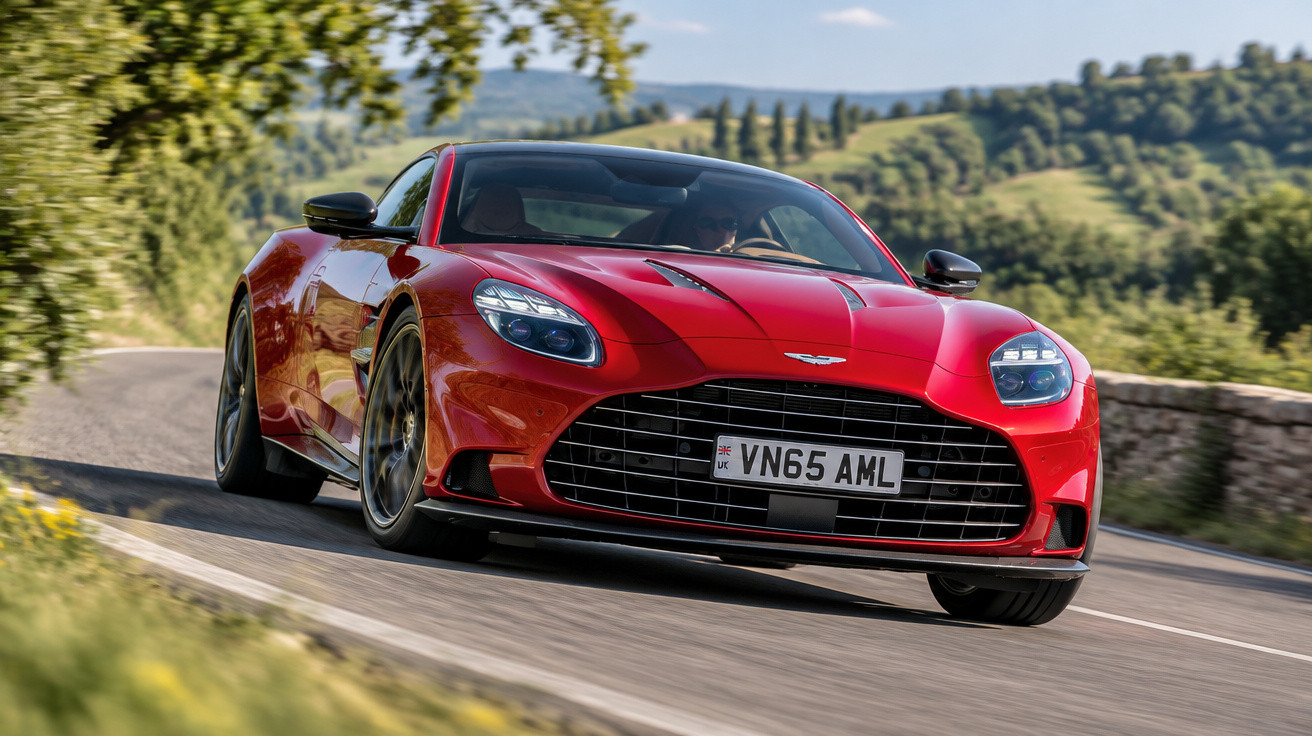
Update 10 April: President Trump's 90-day suspension of reciprocal tariffs does not affect the 25 per cent duty on non-US cars. Top Gear looks at the manufacturers that stand to lose... or benefit.
JLR - loser
Roughly a quarter of JLR production is destined for the US, yet the company has no factories there, leaving it particularly exposed. Even if the UK secures a trade agreement that lowers the 25 per cent tariff on British-built cars, the in-demand Defender is manufactured in Slovakia, within the EU.
Lotus - loser
Very few Chinese-built cars from any manufacturer are shipped to the US, but the exceptions include the Lotus Eletre and Emeya, both produced at a Wuhan factory.
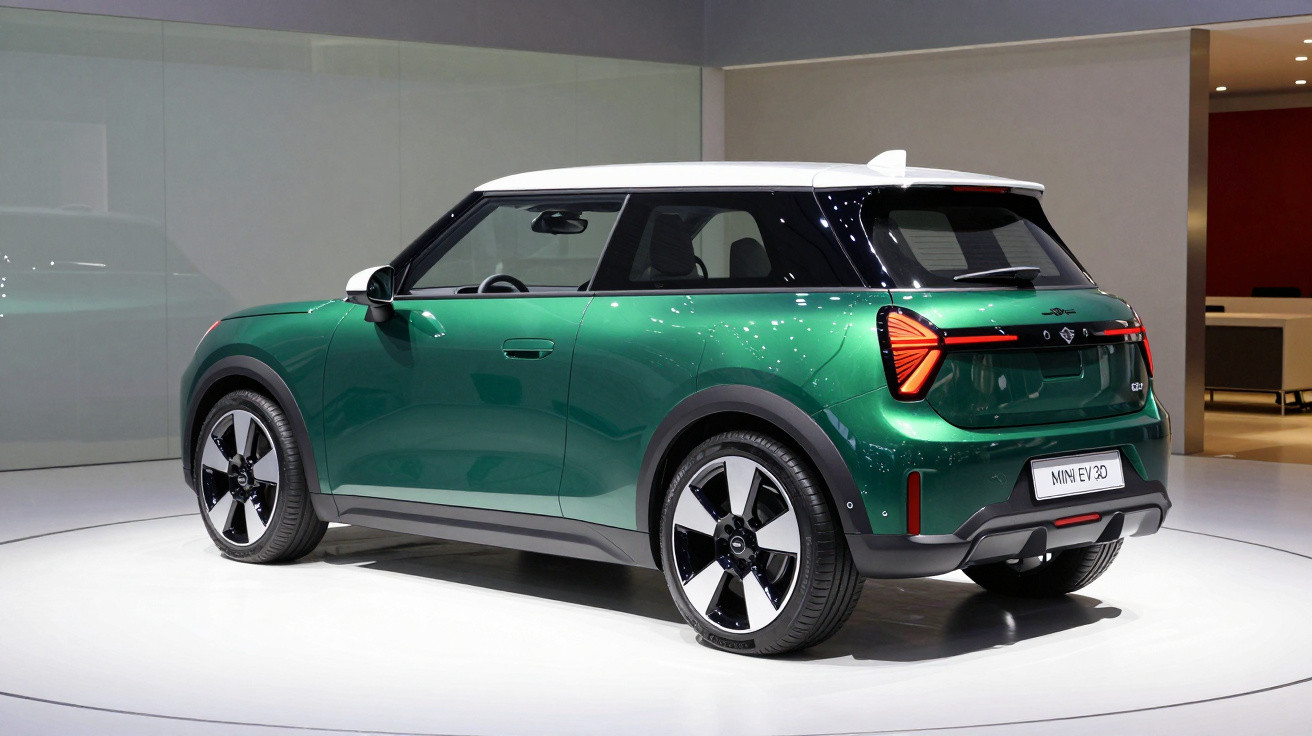
Mini – loser
Mini sells Chinese-made EVs in the UK, but its US-bound vehicles are built in the UK (hatch) and Germany (Countryman), primarily using British engines. They also face competition in America from locally made models offered by Japanese, Korean and US manufacturers.
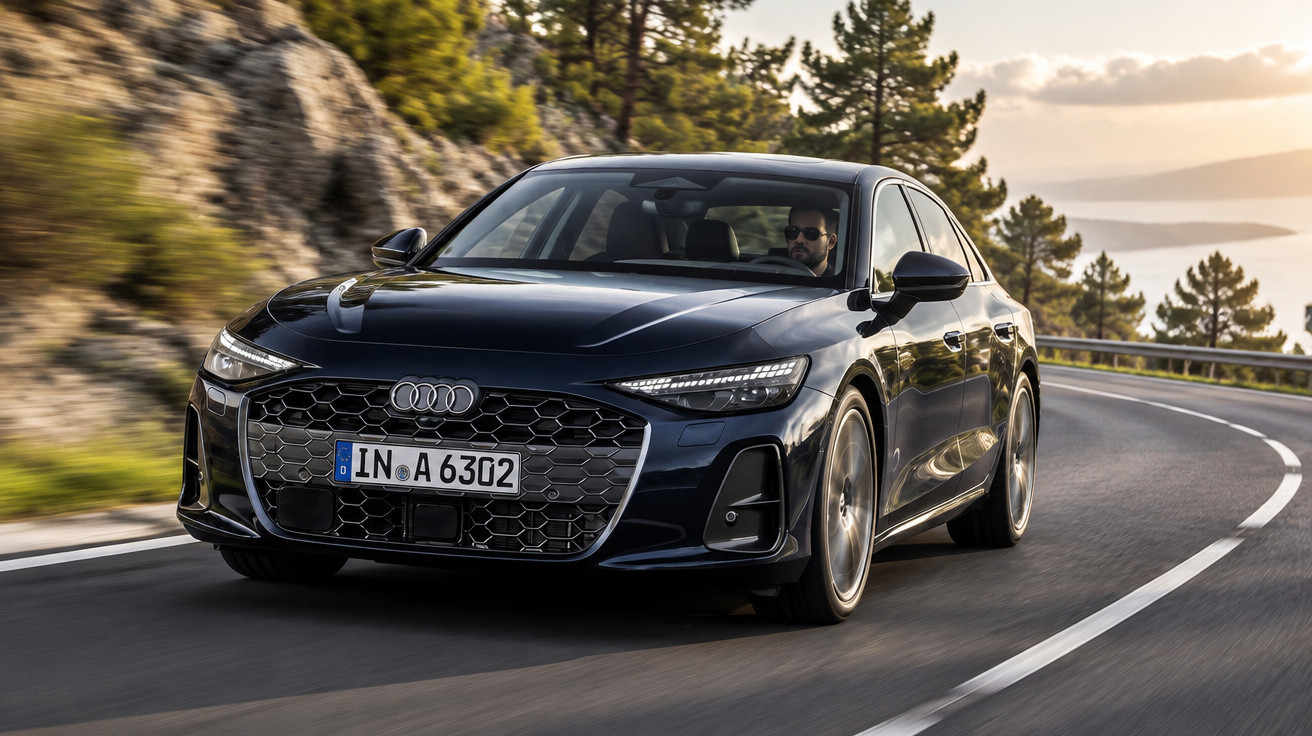
Audi - loser
Audi builds neither cars nor engines in the US. Most of its vehicles are assembled in the EU, which appears a long way from reaching a trade deal. Its top-selling model, the Q5, is built in Mexico after Audi selected the country because of the US Mexico Canada Agreement and the earlier North America Free Trade Agreement. Oops.
General Motors - loser
GM made extensive use of the looser trading arrangements across the Mexican and Canadian borders. Its relatively limited US production and local content could now prove troublesome. While it operates many US factories, adapting them would require substantial time and investment, just as tariff-hit profits and share price would be declining.
Volkswagen - loser
Despite operating a large US factory, around two-thirds of the cars Volkswagen sells in America are built abroad. That includes vehicles from its major Mexican plant, which produces the Tiguan.
Rolls-Royce - loser
Its US buyers will probably have to pay more. They are likely to do so: Rolls-Royce relies on German engines and numerous other imported parts, meaning that even a future UK trade deal would not deliver the full benefit.
Tesla - winner
Hardly surprisingly, the manufacturer led by President's advisor and supporter Elon Musk faces a far smaller effect than most rivals. Every Tesla sold in the US is built there.
Rivian - winner
The other large-scale manufacturer that makes all of its vehicles in the States.
Ford - winner
Ford's manufacturing base for vehicles sold in the US is considerably more local than GM's. Its worldwide operations, including its comparatively sizeable European business, are largely insulated because they neither send many vehicles to the US nor source many from it.
Nissan - winner... ish
From a UK perspective, its factory does not export Qashqais, Jukes or Leafs (renewed this year) to the US. However, it could experience price pressure if competitors redirect cars once intended for America into the UK. Its US business is also less firmly established than those of certain rivals.
McLaren - winner... ish
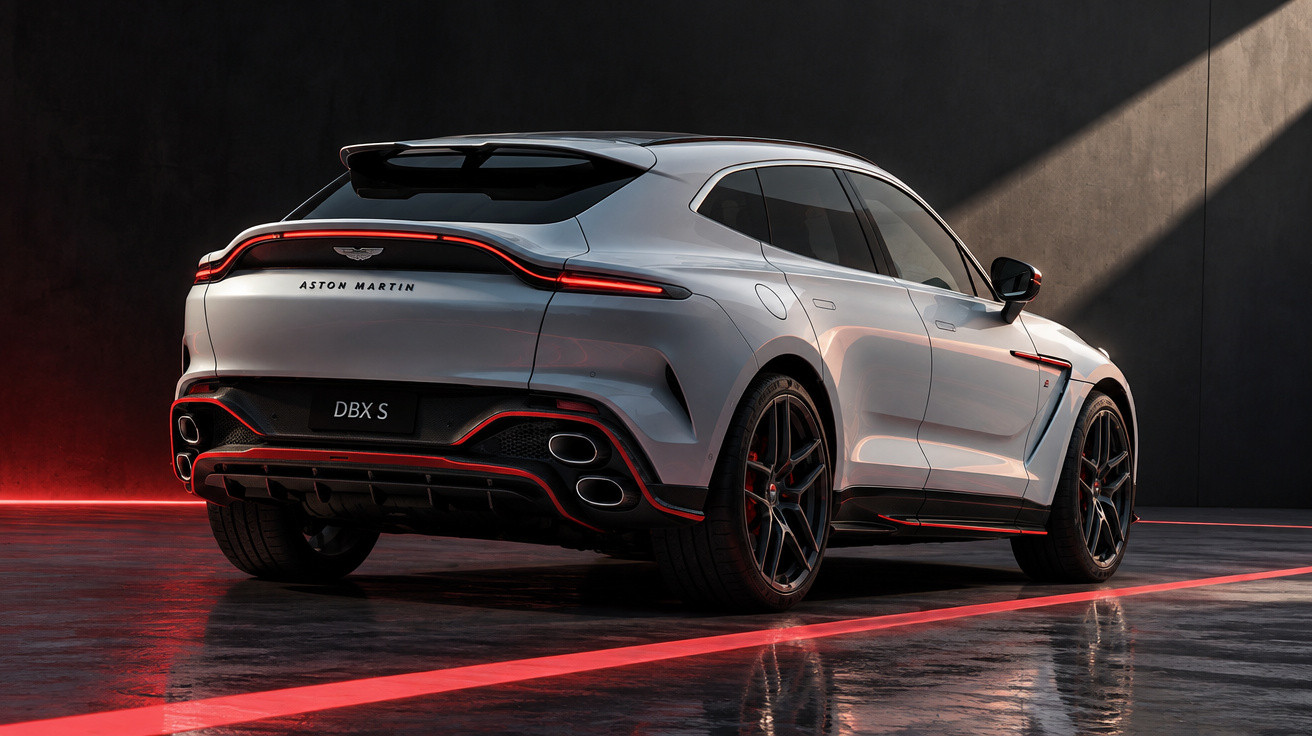
A spokesperson told Top Gear that the "handmade in Britain" appeal is highly important to US customers, so a US factory is not even under consideration. Buyers there are quite likely to cover the tariff cost, particularly because there are no meaningful local competitors. Aside from Aston, its rivals are European, and if Britain agrees a trade deal to cut the 25 per cent tariff while the EU does not, McLaren could gain ground against Ferrari, Porsche, Lamborghini, AMG-Mercedes, et al.
Aston Martin – see McLaren
Its permanently upbeat chief executive, Adrian Hallmark, said "never waste a crisis, accelerate into it with optimism and a plan". He set an example by guiding Bentley through the twin disruption of Brexit and Covid.
Hyundai and Kia – winners
They have built up very substantial manufacturing presences in the US.


Comments
No comments yet. Be the first to comment!
Leave a Comment