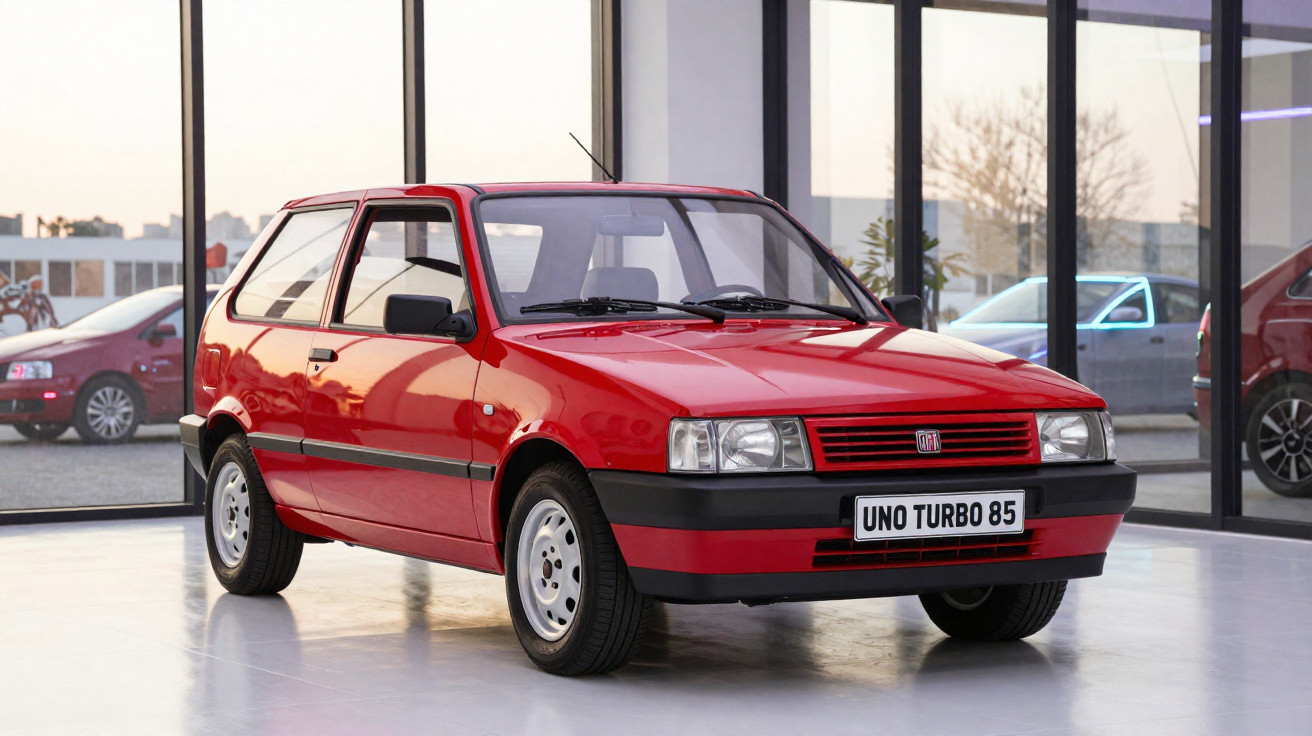
Do you still remember the mad 1980s? More than 30 years on, after a pandemic that kept us all indoors, closed park benches and made us go to the beach wearing surgical masks, and now with the prospect of being able to speak naturally to computers, I must admit that the decade no longer seems quite sooo mad.
From this distance, and in light of recent events, I think “the fantastic 1980s” is a fairer description. It was a period with a distinctly different aura. Cars may have been more polluting and our understanding of ecology was extremely limited at the time - so limited that it resulted in absurd ideas such as dressing children in plastic bags for Carnival to promote recycling (I know, because I was one of them...) - but life felt considerably lighter then.
It was an exhilarating flood of new developments, and everything appeared to be pointing towards humanity’s success. Want a laugh? Back then, the greatest threat was the crash of the year 2000: the point at which every computer was supposedly going to collapse between 31 December and 1 January. Hahaha! There was no collapse at all; I was there, playing computer games as though nothing had happened.
The fantastic 1980s and the future
In truth, that remains the case. Despite the catastrophic forecasts of the prophets of doom, humanity is still moving steadily towards sustainability - we have never achieved so much using so few resources.
Even so, nothing seems to amaze us in quite the way it once did. Speaking personally, I cannot look at a fully digital instrument cluster in a modern car and feel as impressed as I still do when I see one of the digital dashboards Fiat produced during the 1980s and 1990s.
Take the 1985 Fiat Uno Turbo I.E. instrument cluster, for instance. It was a genuine technological compendium, worthy of a car from the future. The lights, menus and options... everything looked as if it had come straight from a science-fiction film.
Unfortunately, the brakes also felt like something from a science-fiction film. In reality, they barely stopped the car at all, and cornering was comedy.
Fiat Uno Turbo I.E. digital instrument cluster
Yet none of that matters beside the amazement I still feel when looking at images such as those accompanying this article. And please, do not start telling me about electronic faults. Do not spoil those memories with mundane problems.
Then there was the Fiat Tempra, another fine illustration of how one interior “detail” can define a car. It is one of the very few cars that I can remember getting into for the first time.
The manufacturers themselves now appear to recognise the importance of the “aura” surrounding cars from earlier eras. Over the coming years, we will see the return of many models that already belong in the history books.
Classic cars returning to the market
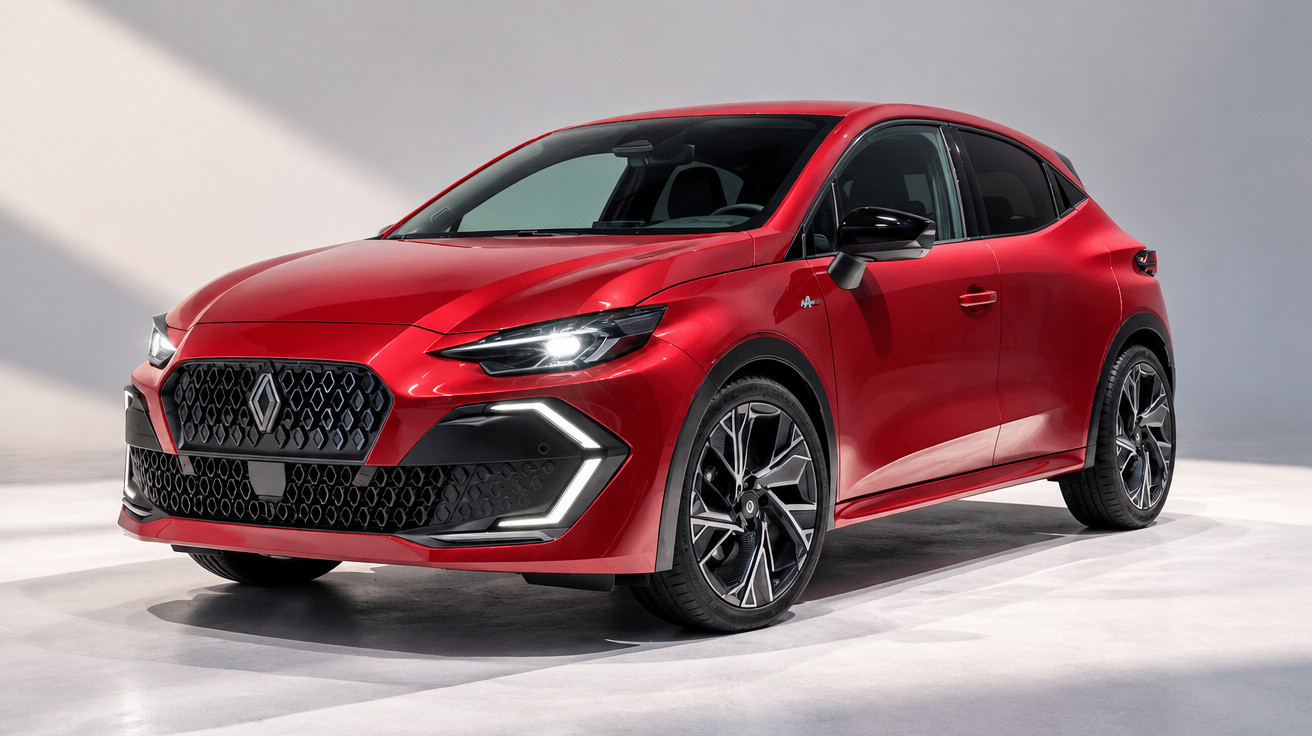
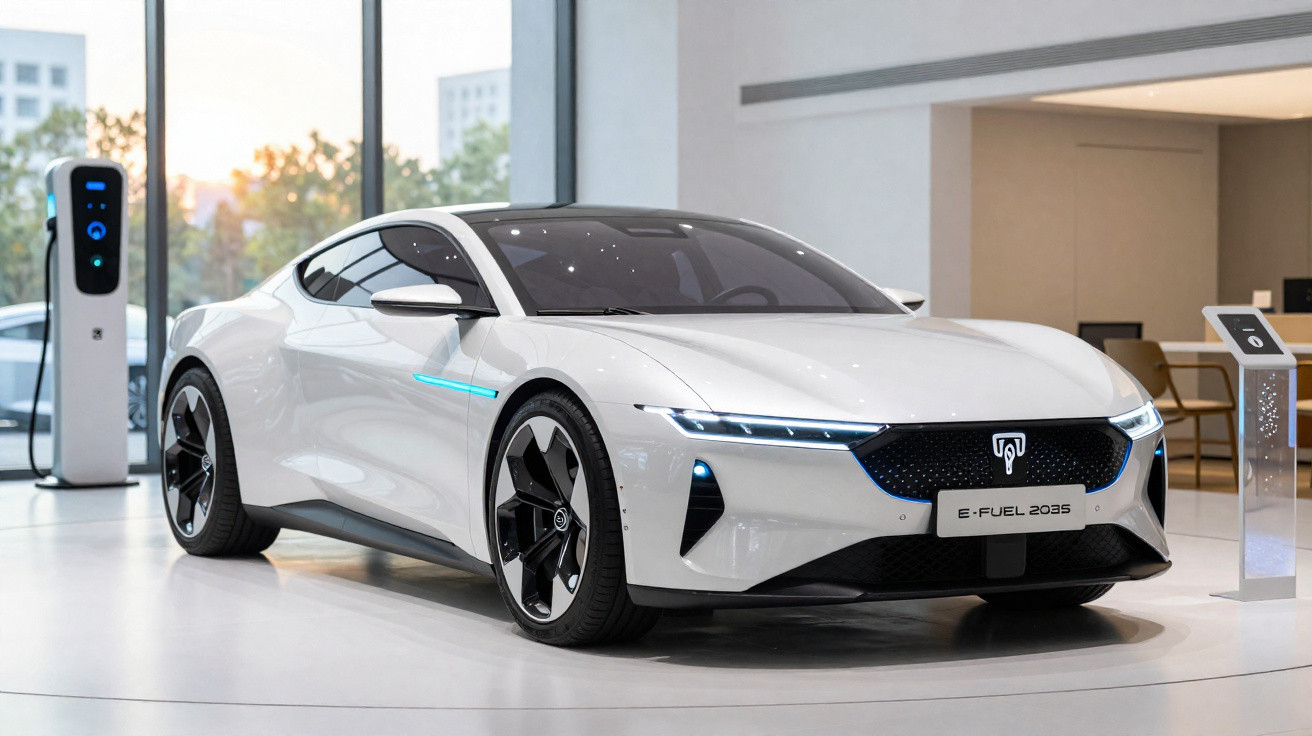
It began with the MINI and the Fiat 500 in the 2000s. More recently, we saw the return of the Volkswagen Camper Van (also known as the ID. Buzz), and before long the Renault 4L and Renault 5 will be back on the market too.
One thing is certain: the Fiat Uno Turbo I.E. digital instrument cluster will always feature on my list of the coolest things you can find in a car.
Younger generations do not say “cool” any more, do they? Even the word “cool” has stopped being cool...
It does not really matter. To me, not everything from the past is bad, and not everything that arrives in the future will necessarily be better. It is in this dialogue between past, present and future that we may find the best that each of us has to offer. In a world where everyone wants to be disruptive, I increasingly value continuity. After all, being consistent is not something everyone can manage.


Comments
No comments yet. Be the first to comment!
Leave a Comment