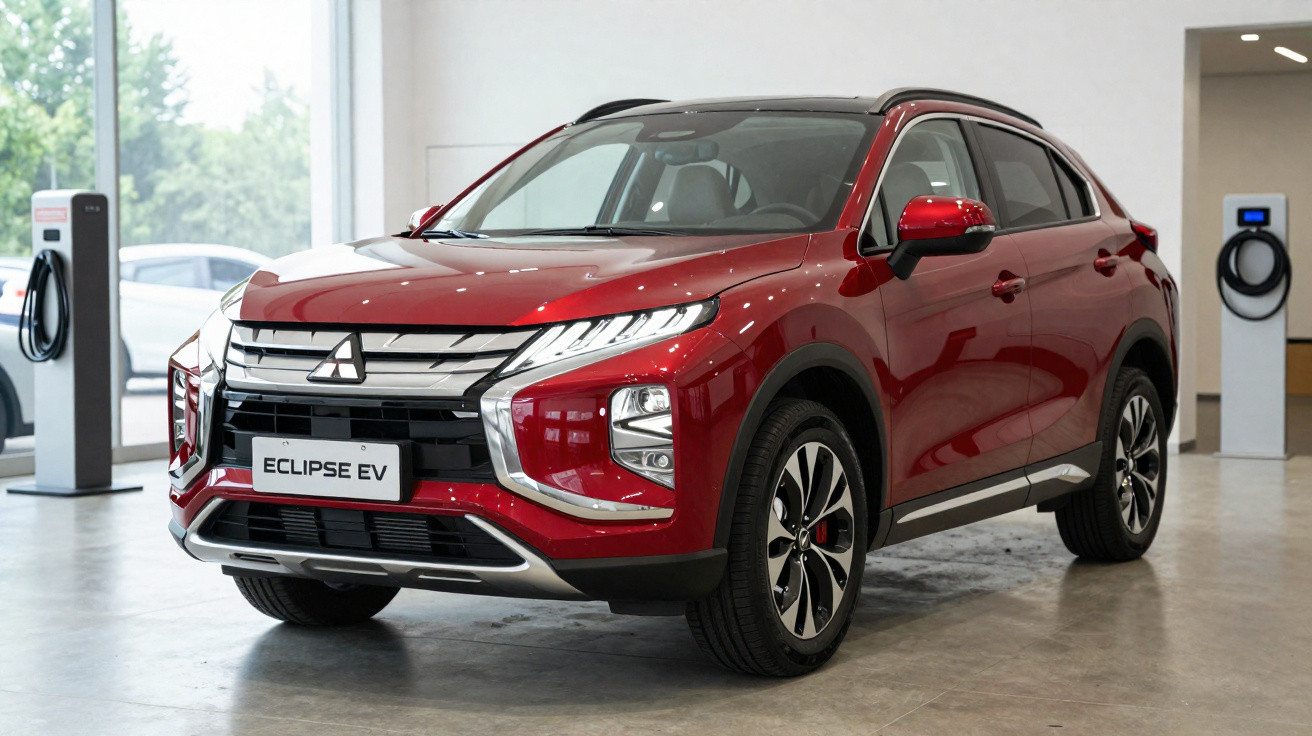
The electric Mitsubishi Eclipse Cross marks a fundamental shift in the Japanese brand’s line-up. Following a generation built around plug-in hybrid technology, this model becomes exclusively electric, using an architecture developed specifically for this type of powertrain.
Rather than simply being an evolution, it breaks decisively from its predecessor. Its new technical foundation delivers clear improvements in efficiency, cabin room and technology integration, placing the Eclipse Cross at a different level in the electric C-SUV segment.
What is the electric Mitsubishi Eclipse Cross?
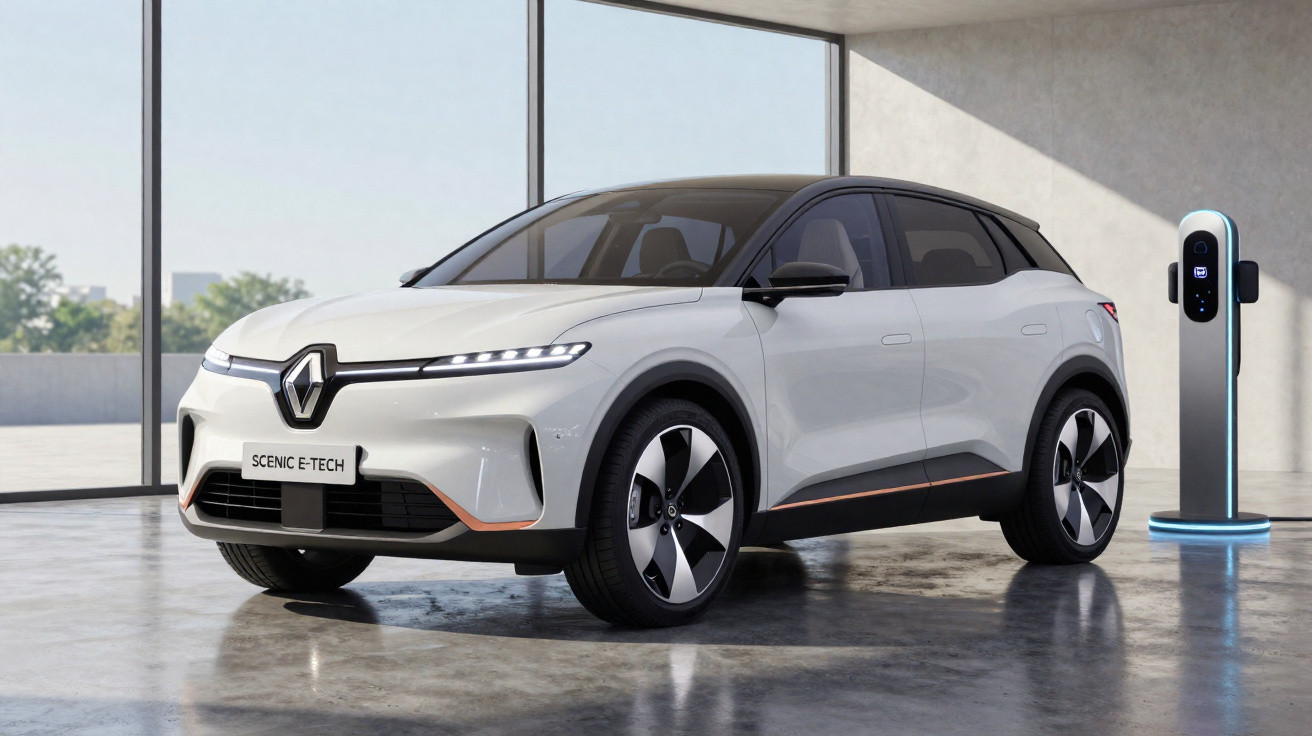
The electric Eclipse Cross is a fully electric compact SUV created for the European market and built in Douai, France.
Its technical underpinnings stem from work carried out through the Mitsubishi–Renault Alliance, using a platform dedicated to electric vehicles. This architecture makes more effective use of interior space, with a flat floor and more efficient battery packaging.
Interior and technology
Compared with the previous generation, the cabin takes a substantial step forward, adopting a more digital, user-focused layout without compromising ease of use.
The infotainment system features a 12.3-inch portrait display with Google built-in, wireless Apple CarPlay and Android Auto compatibility, plus over-the-air software updates.
It also has a digital instrument cluster, ambient lighting with several settings, and a mobile app that enables a range of vehicle functions to be controlled remotely.
Perceived quality has clearly improved over the previous generation, with more consistent materials and better cabin insulation, while the driving position retains the elevated layout expected of an SUV.
Electric system
The electric Mitsubishi Eclipse Cross uses a front-axle electric motor producing 160 kW, equivalent to 218 hp, and 300 Nm of torque, delivered immediately and progressively.
Its 87 kWh battery is installed beneath the floor, helping to lower the centre of gravity and improve dynamic behaviour.
The electric architecture provides smooth, predictable driving, with an instant throttle response and a high degree of refinement both in town and on the open road.
Range and energy consumption
Range is up to 625 km on the combined WLTP cycle, rising to 819 km on the urban cycle.
The stated combined energy consumption is 16.8 kWh/100 km, placing the model among the segment’s most efficient options when its battery capacity is taken into account.
Charging
The electric Eclipse Cross supports AC charging at up to 11 kW and rapid DC charging at up to 150 kW.
At a rapid charging point, the battery can be replenished to 80% in around 30 minutes, allowing the journey to continue with a substantial amount of range available.
For charging at home or at a workplace, the AC capacity supports regular use during longer parking periods.
Driving and energy recuperation
The system offers four driving modes and four regenerative braking levels, selectable using the steering-wheel paddles.
A one-pedal driving function is also available, enabling the vehicle to be driven largely with the accelerator while maximising energy recuperation.
Safety and driver assistance systems
The electric Eclipse Cross includes a broad suite of driver-assistance systems, including adaptive cruise control with Stop & Go functionality and lane-keeping assist.
Who is this model for?
The electric Eclipse Cross is aimed at drivers seeking a fully electric family SUV for everyday use, with enough range for longer journeys.
Its combination of an 87 kWh battery, up to 625 km of range and rapid charging at up to 150 kW means it can serve as a main car, reducing the need for detailed charging planning.
Prices in Portugal
The electric Mitsubishi Eclipse Cross is available in Portugal from €43,000. Under the business customer promotion, the Intense version is available from €34,960 + VAT, in accordance with the current commercial terms.



Comments
No comments yet. Be the first to comment!
Leave a Comment