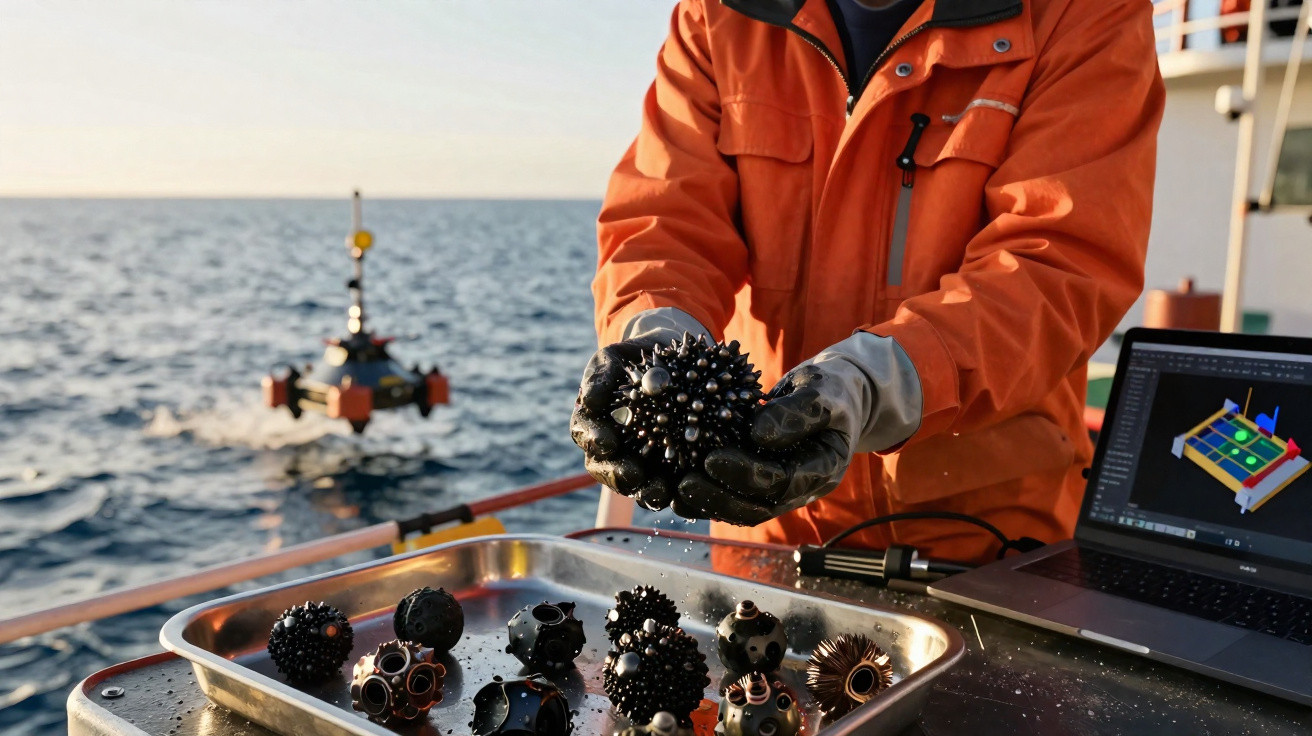
Lithium, cobalt, nickel and manganese are among the key raw materials used in electric vehicle batteries. Yet, in recent years, the overwhelming pressure to develop and launch far more electric vehicles has created a genuine risk that there will not be enough raw materials to manufacture so many batteries.
We have covered this issue before: the planet simply does not currently have the installed capacity to extract the volumes of raw materials required for the expected number of electric vehicles, and building that capacity could take many years.
According to the World Bank, demand for some of the materials used to make batteries could rise by as much as elevenfold by 2050. Shortages of nickel, cobalt and copper could emerge as early as 2025.
There is, however, an alternative that could reduce or remove the need for land-based raw materials. DeepGreen Metals, a Canadian deep-sea mining company, proposes harvesting the seabed rather than mining on land, specifically in the Pacific Ocean. Why the Pacific? Because an exceptionally high concentration of polymetallic nodules has been identified there, at least within one defined area.
Nodules… what exactly?
Also known as manganese nodules, polymetallic nodules are deposits of ferromanganese oxides and other metals, including those needed to produce batteries. Ranging from 1 cm to 10 cm in size, they look no different from small stones, and ocean-floor reserves are estimated at 500 billion tonnes.
They can be found in every ocean - several deposits are already known across the world - and have even been discovered in lakes. Unlike extracting ore on land, polymetallic nodules lie on the seabed, so no drilling activity is required. Apparently, they merely need to be collected.
What are the advantages of polymetallic nodules?
Compared with land-based mining, the principal benefit of collecting polymetallic nodules is its much lower environmental impact. That is the conclusion of an independent study commissioned by DeepGreen Metals, which compared land mining with collecting polymetallic nodules to produce one billion electric vehicle batteries.
The findings are encouraging. The study estimated a 70% reduction in CO₂ emissions - 0.4 Gt in total instead of 1.5 Gt using current methods. It also found that 94% less land and 92% less forest area would be needed, respectively, while this type of operation produces no solid waste.
The study further states that the impact on wildlife is 93% lower than for land-based mining. DeepGreen Metals itself acknowledges, however, that although fewer animal species are thought to inhabit the proposed deep-ocean collection area, very little is still known about the diversity of species living there. Consequently, the actual effect on this ecosystem remains unknown. DeepGreen Metals intends to conduct a more detailed, multi-year study into the long-term effects on the seabed.
According to the study, polymetallic nodules consist of almost 100% usable materials and are non-toxic, whereas minerals extracted from land have a lower utilisation rate and contain toxic elements.
Could this be the answer to securing the raw materials needed for the vast number of batteries we will require? DeepGreen Metals believes it could be.
Source: DriveTribe and Autocar.
Study: Where Should Metals for the Green Transition Come From?
The Razão Automóvel team will remain online 24 hours a day throughout the COVID-19 outbreak. *Follow the recommendations of the Directorate-General of Health and avoid unnecessary travel. Together, we will get through this difficult period.*










Comments
No comments yet. Be the first to comment!
Leave a Comment