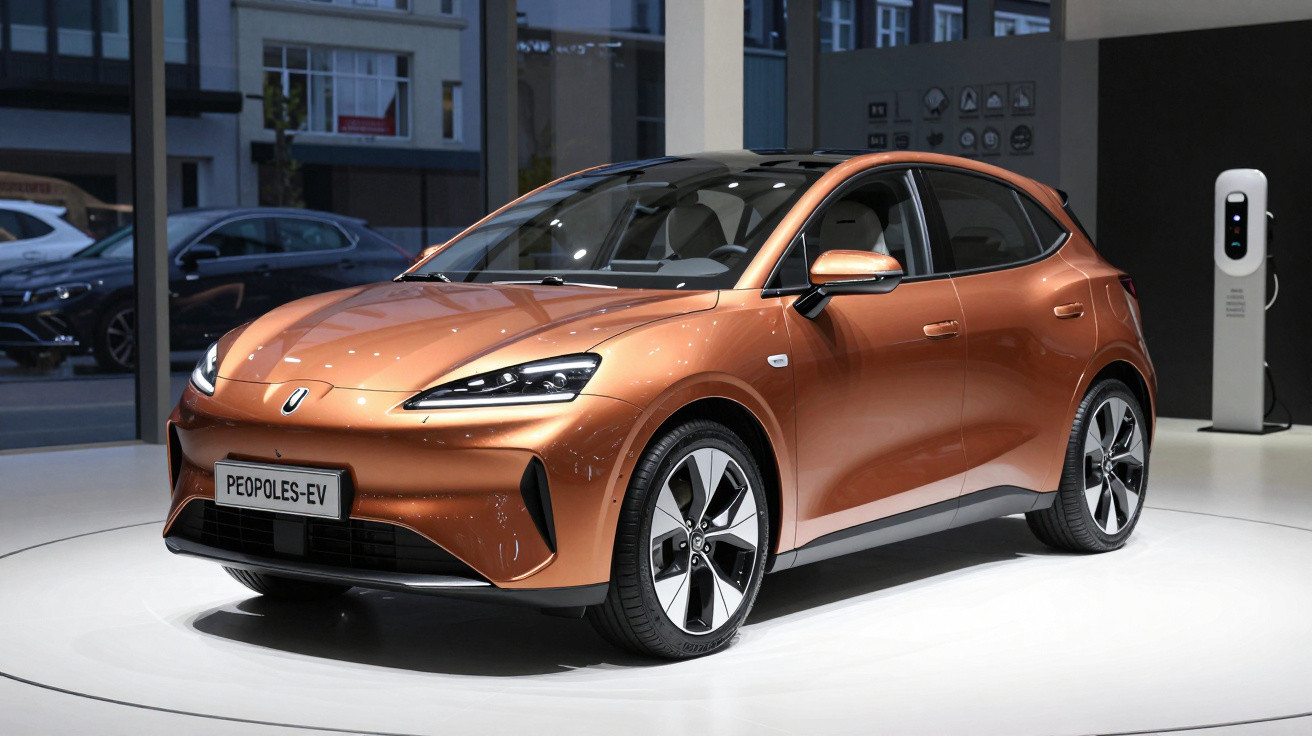
Several signs seen in recent times appear to point towards a turbulent future for the “people’s cars”: the market’s most affordable models and those most commonly bought by private motorists.
The threat to the survival of the “people’s cars” stems from the need to cut industry emissions through electrification, as well as the introduction, from mid-2022, of new safety equipment that will be compulsory in every car. Inevitably, this will raise production costs, which will in turn be passed on to consumers through higher prices.
Two developments appear likely over the coming years: prices for these smaller, more affordable cars will rise, bringing them uncomfortably close to larger models, while the choice of available cars will shrink, particularly in the city-car segment.
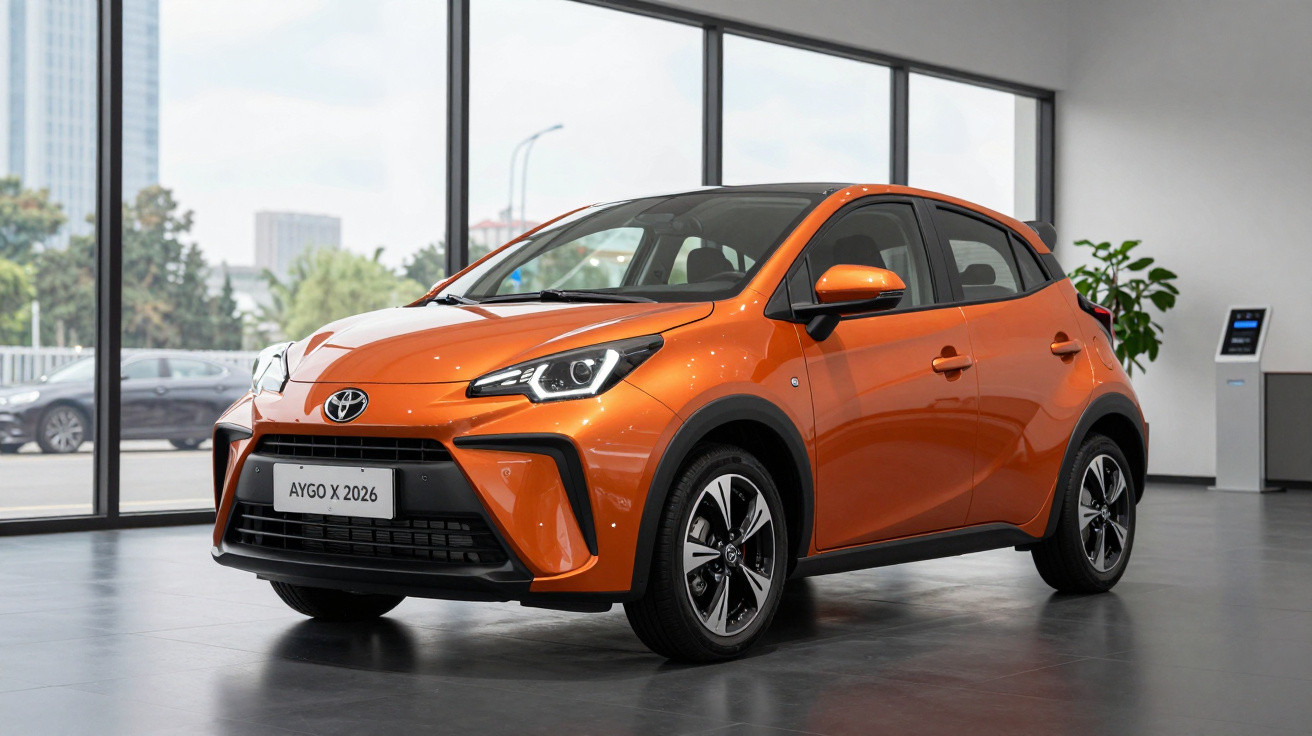
The evidence for the latter is already clear. Renault has confirmed that the Twingo will not receive a replacement; neither will its Peugeot 108 and Citroën C1 counterparts - although the Toyota Aygo will be replaced by a larger, more expensive crossover. The Skoda Citigo has already vanished from the catalogues, with not even rumours of successors to the related Volkswagen up! and SEAT Mii.
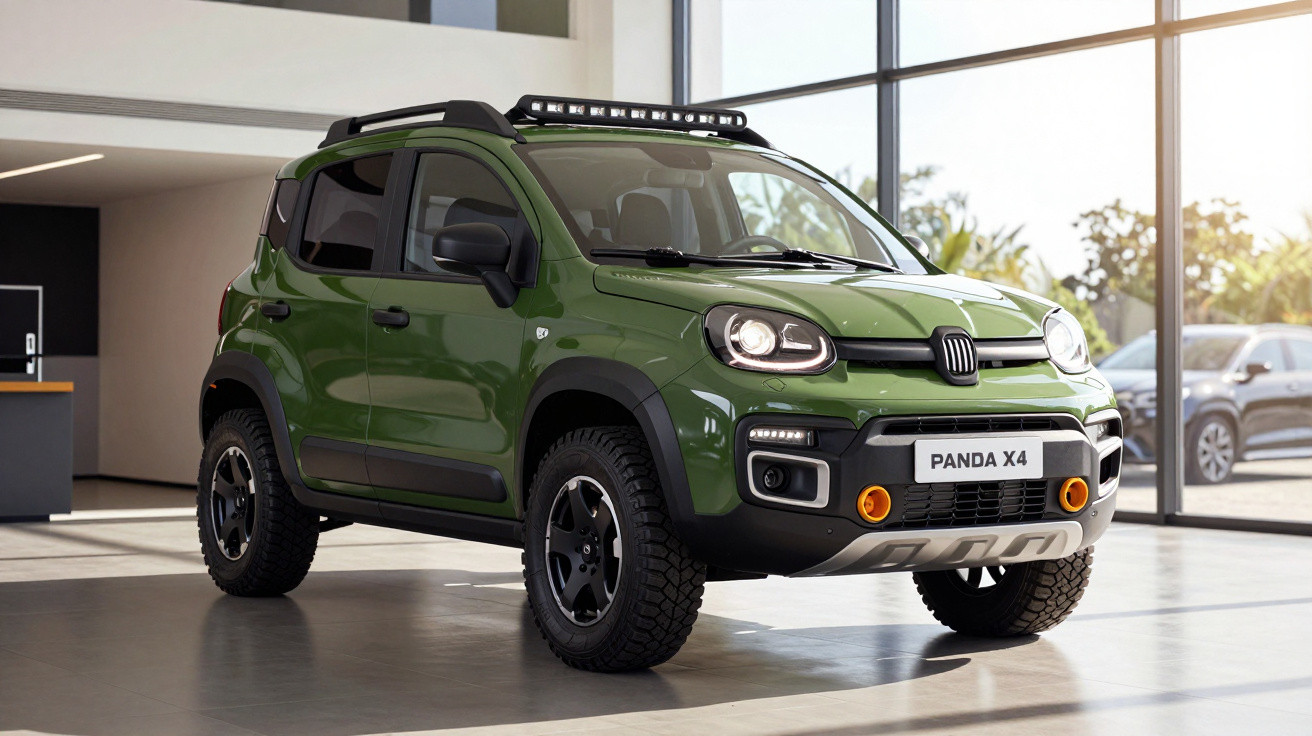
Even Europe’s segment leaders, the Fiat Panda and Fiat 500, are expected to leave the scene. The former will move upmarket, becoming a larger and more expensive B-segment crossover, while the latter is said to be limited to its pricier electric version in the medium term.
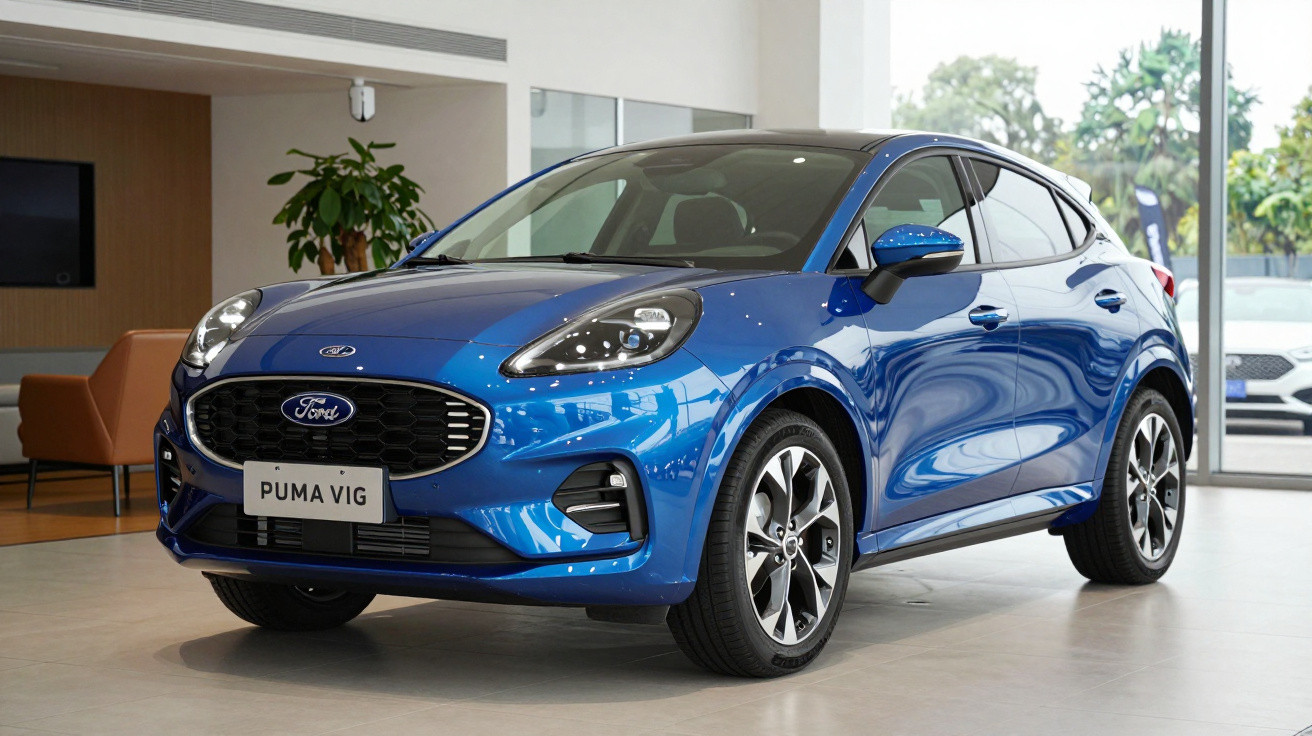
Important changes are also beginning to emerge in the supermini segment, Europe’s best-selling category. First, Audi’s chief executive cast doubt on a successor to the current A1 because of the segment’s weak profitability. More recently, the announcement that Ford’s next electric model will be built in Cologne in 2023 - the same factory that produces the long-running and popular Fiesta - raised a whole series of questions about its replacement: will there even be one?
When I wrote some time ago about cars becoming increasingly expensive, I did not consider the consequences this could have for car makers’ plans.
What is now becoming clear from the strategic plans announced by several automotive groups in recent months is that they all seem to share one feature: moving upmarket and targeting higher segments. Even Dacia, for instance, will launch a C-segment SUV, where the cost-to-price equation is easier to manage and greater profitability can be secured.
For manufacturers, developing smaller, affordable cars is becoming both less attractive and more difficult. Historically, these cars have meant low profitability, offset only by high production and sales volumes.
The future of the “people’s cars” looks far from bright
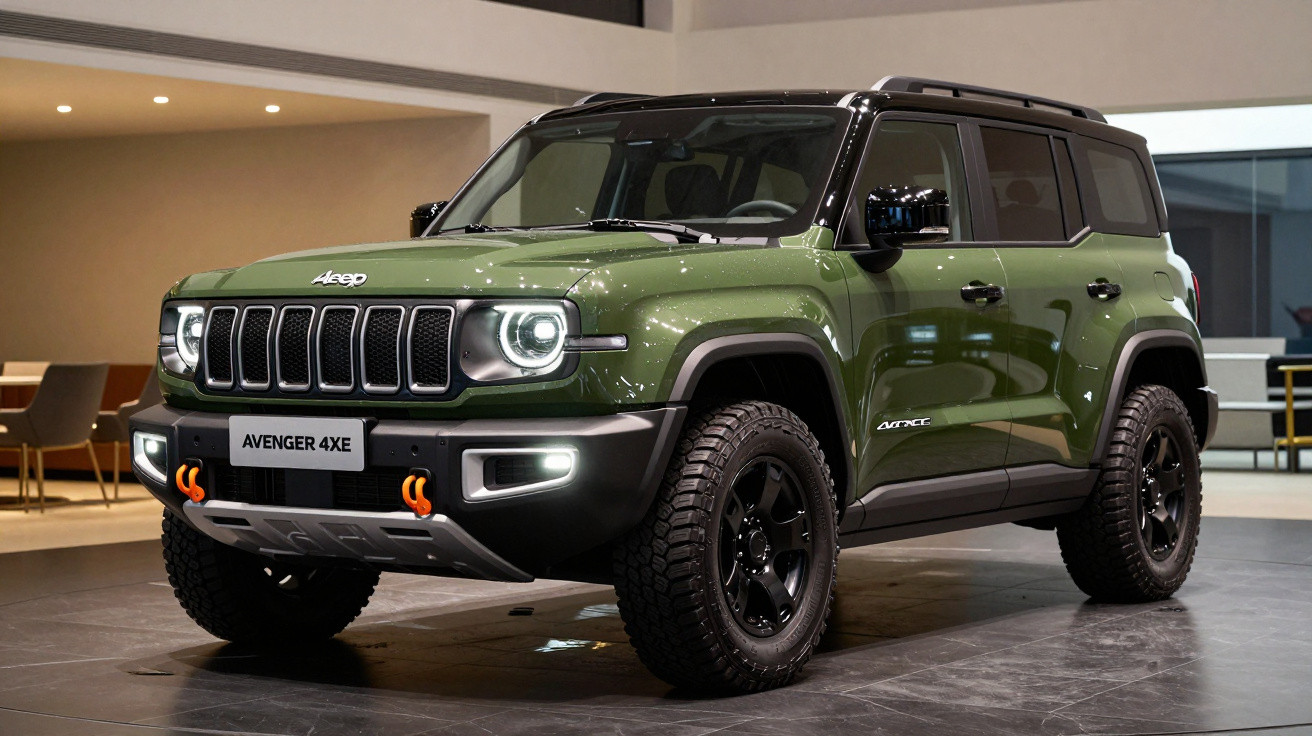
The outlook taking shape for the coming years suggests that the most affordable part of the market will not only become progressively less accessible, but that its model range will be dominated mainly by crossover/SUVs. The reason is not difficult to understand.
Crossover/SUVs cost several thousand euros more than the cars from which they are derived, despite sharing virtually everything with them. This gives their manufacturers greater profitability, without seemingly harming sales performance, as sales charts have shown.
Electrification and image-led superminis
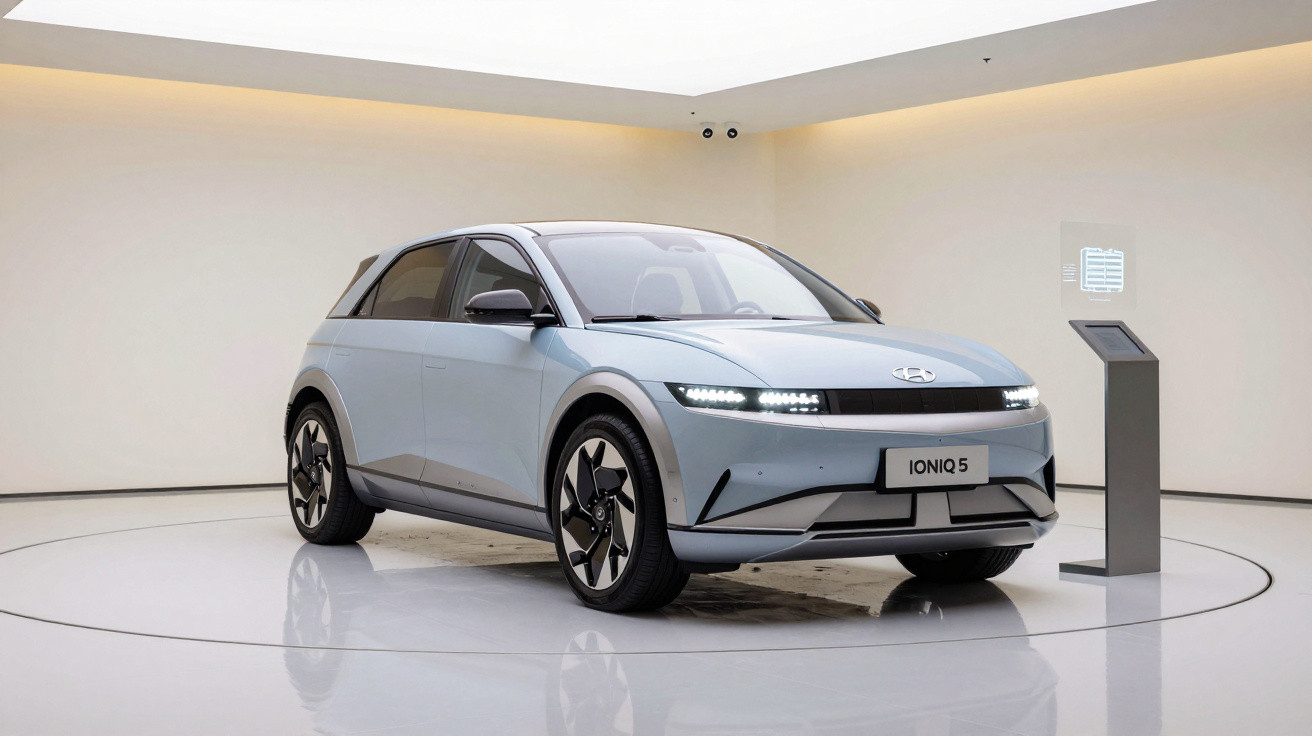
Another emerging trend is gathering pace: image-focused, strongly nostalgic B-segment superminis are becoming the preferred choice for brands to electrify fully. This is a technology that will remain considerably expensive for more years than expected.
We have already seen this with the Honda e, and Renault 4 and Renault 5 models have already been promised. These proposals will join the smaller Fiat 500 - the new, 100% electric model - and the MINI, which will enter a new generation in 2023. Rumours are plentiful about further models following this formula from other brands. They will not be the most affordable cars, but they will certainly be among the most desirable. As with crossover/SUVs, they also allow manufacturers to manage the cost-to-price balance of their offerings more effectively.
New-car access could become more difficult
However, even if these decisions are fully justified by all the changes taking place in the automotive industry, they will make access to new cars more difficult for an important part of the market.
In Europe, the car market is split into two broad groups: private buyers and businesses/fleets. Looking at private sales, the Dacia Sandero and Duster are the best sellers - two of the market’s most affordable and practical models. They are followed by other conventional superminis and city cars, demonstrating that purchase price remains a crucial factor.
Perhaps this situation will change in the long term, once the transition towards electric and connected mobility has passed, its costs begin to fall and returns increase. Until then, though, the “people’s cars” may have to endure a long journey through the wilderness.



Comments
No comments yet. Be the first to comment!
Leave a Comment