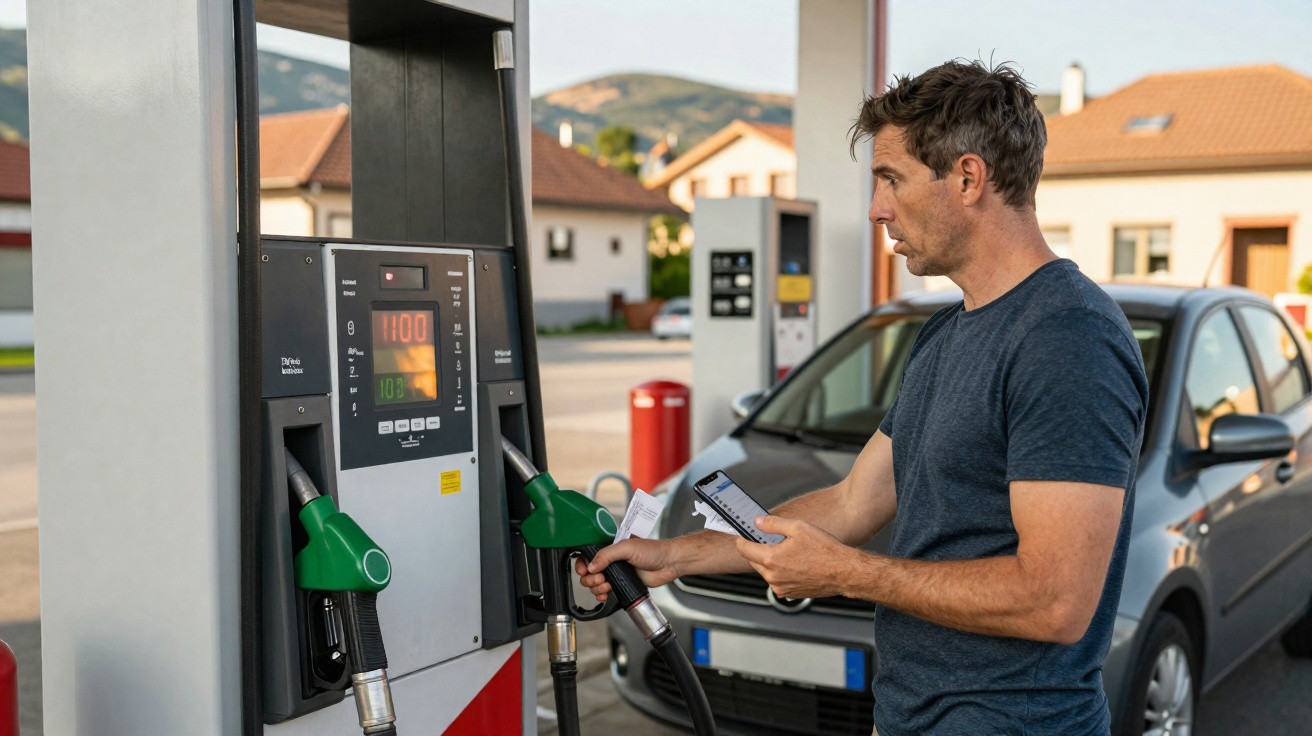
This surge in fuel prices is threatening motorists’ spending power.
The Iran war continues, bringing what appears to be a lasting rise in fuel costs. Average prices in France are expected to exceed €2 per litre shortly, particularly for diesel, but drivers in some countries are facing an even worse situation.
Automobile Magazine points in particular to Denmark, where unleaded petrol now costs €2.256 per litre and diesel has already reached €2.403. However, Hong Kong - the former British territory now under Chinese control - tops this inflationary ranking: diesel there costs €3.470 per litre, the highest price in the world.
Petrol follows the same pattern, at €3.440 per litre. This leading position can partly be explained by the region’s very high wages, alongside exceptionally high taxation.
What is happening elsewhere in Europe?
For now, the French government has declined to introduce support measures for private motorists at the pump. The executive has, however, begun rolling out assistance for professionals affected by this energy crisis.
Neighbouring countries, by contrast, have already launched initiatives. Spain, for instance, has introduced a €5 billion plan. It includes a reduction in VAT on fuel, which should give consumers a discount of up to 30 cents per litre.
According to France Info, Sweden’s government also intends to cut taxes temporarily. This should reduce customers’ bills by around 9 cents per litre. In Portugal, a mechanism has been introduced to adjust fuel taxes whenever the increase exceeds 10 cents per litre. Italy, finally, also plans to amend these taxes to deliver a reduction of around 25 cents per litre at the pump.
Have you changed your habits or found any ways to limit the impact of this sharp rise in pump prices? Tell us in the comments. In the meantime, you can revisit our article listing the apps that let users compare fuel prices in France.

Comments
No comments yet. Be the first to comment!
Leave a Comment