What is a Range Extender?
It is not a device that boosts your Wi-Fi so the entire street can freeload on it. Instead, it is a battery-electric vehicle (BEV) combined with... fossil fuel.
Hang on, how does that actually work?
The electric motor powers the axle using energy from a battery, which makes it an electric car. However, it also carries a petrol-fuelled generator that recharges the battery after it runs down – hence the ‘range-extending’ name.
That sounds a lot like a hybrid. So what is different?
Fair point: both systems use an internal combustion engine (ICE) alongside an electric motor. The distinction is that, in a hybrid – either “self-charging” or a plug-in hybrid (PHEV) – the ICE can drive the axle. In a range extender, the electric motor handles all of the propulsion.
Is that just semantics?
Not really. As the engine is connected only to the battery rather than the wheels, manufacturers can adopt a considerably simpler layout: there is no driveshaft, clutch or gearbox. And, because it is not a geared engine, it can operate at its most fuel-efficient point and should last much longer as well.
So do I get double the fuel-efficiency benefits?
Potentially triple, if you look at it that way. You are not only travelling on lovely, planet-friendly electricity; you also have an engine working at its most efficient energy-producing point to feed more electrons into the battery and you still make use of regenerative braking technology.
Right. What is the catch?
You may need a Scrabble board to decipher the various labels. REX, REEV and EREV are among the more common acronyms. REX means, well, Range Extender; REEV refers to a ‘range-extending electric vehicle’; and EREV is not a Bristolian rallying cry, however much it may look like one. It means ‘electric range-extending vehicle’.
Considering all the engineering expertise available, you might expect a few clever people to settle on the same letter order, wouldn’t you?
Is there anything else to know about range extenders?
Because the engine never drives the wheels directly, it produces much less vibration, allowing you to retain the quietness associated with an electric vehicle.
What is more, this collection of components is substantially cheaper for manufacturers to set up production for, which ought to make the purchase price of a range extender more appealing for buyers too.
I am sold. Which cars can I buy with these brilliant range-extender systems?
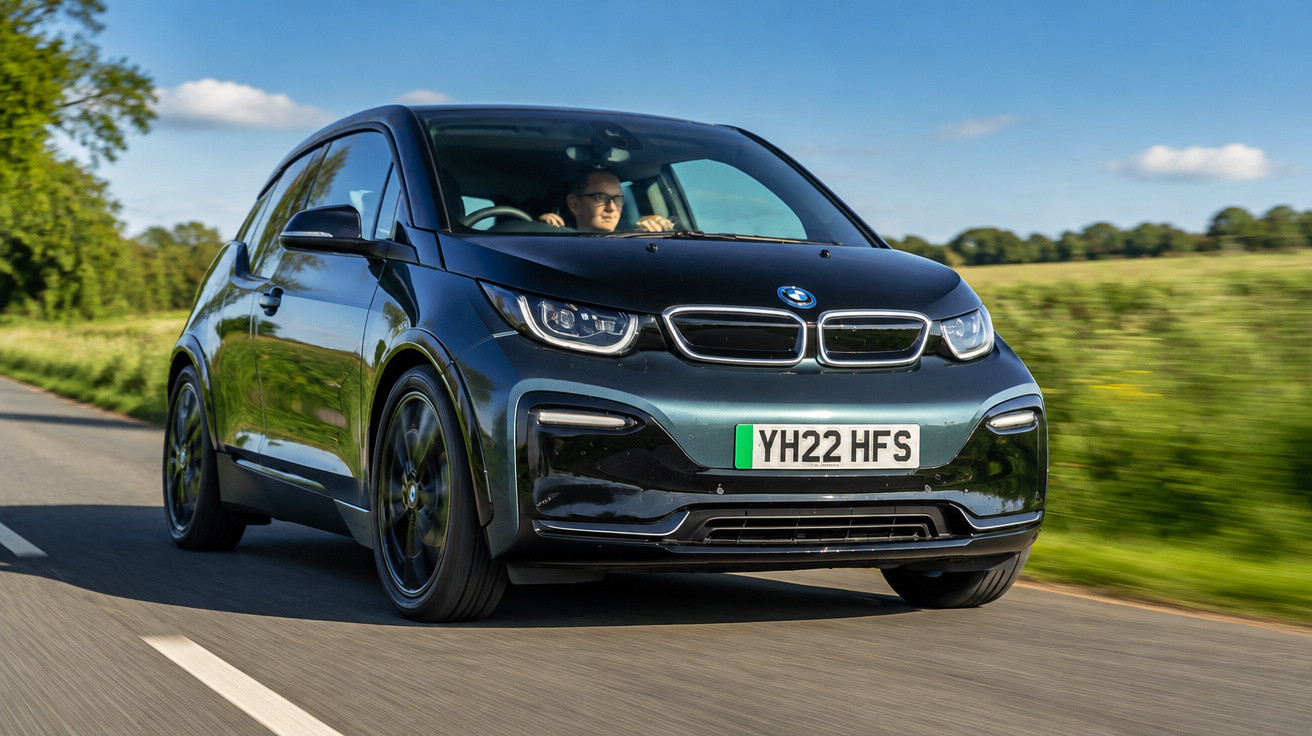
Well, this is where it becomes slightly difficult. The technology first appeared in the Vauxhall Ampera – the Chevy Volt for our US friends and the Opel Ampera for mates on the continent. It was used effectively in the BMW i3 (REX), while some owners in countries with far more land than Britain have explored aftermarket modifications that invalidate insurance.
The now-cancelled Ineos Fusilier was due to receive one, while Genesis plans to fit one to the GV90 by 2027, although that model is not currently intended for UK shores. VW, working with SAIC, displayed its first range-extending ID vehicle, the ID.ERA SUV, at Auto Shanghai 2025, but it was only a concept.
With ZF developing the next generation of range-extending powertrains following "increased demand from the industry", expect more Rs, Es and Vs to appear in model names in the future. Otherwise, you will be searching the used-car market for the occasional Fisker Karma.






Comments
No comments yet. Be the first to comment!
Leave a Comment