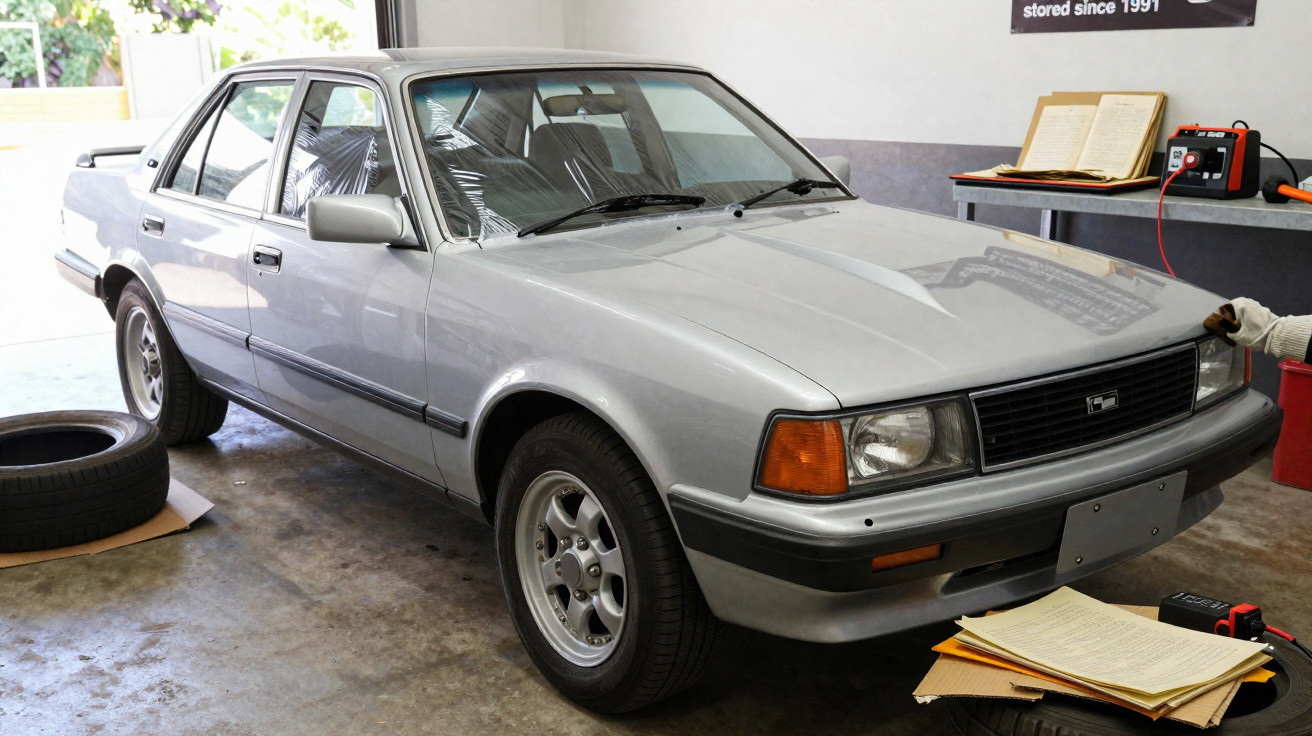
Few classic-car discoveries are as tempting as a vehicle that appears to have been frozen in time. This 1988 HSV VL SS Group A Walkinshaw Commodore is said to have covered just 20km - roughly 12 miles - before being stored in a private garage for decades.
That tiny odometer reading is remarkable, but it is not a guarantee that the car can simply be fuelled up and driven away. The real appeal lies in the reported combination of low mileage, original components, paperwork and careful storage. It is also a useful lesson for anyone dealing with a long-stored classic: preservation and roadworthiness are not the same thing.
A Group A special from Australia
The VL SS Group A was created during the era when touring-car regulations required manufacturers to build a road-going batch of cars related to their competition programmes. These cars were not merely ordinary saloons fitted with a body kit; their existence was linked directly to Group A racing eligibility.
Holden Special Vehicles developed the model with Tom Walkinshaw Racing after Holden’s split from Peter Brock’s Holden Dealer Team. The finished car became widely known as the Walkinshaw, a nickname it retains among enthusiasts.
The model was initially planned as a 500-car homologation run, although HSV ultimately produced more examples. Its appearance was divisive from the beginning. The bonnet scoop, side skirts, extended bumpers and substantial rear spoiler gave it a look unlike any ordinary Commodore of the period.
The fascination is not just that the car has barely moved. It is that a highly visible racing-era road car appears to have survived with much of its original evidence intact.
For British readers, the cultural role is broadly comparable with that of a Ford Sierra RS500 Cosworth: a limited-production, race-linked saloon which became far more significant than its original showroom role.
What is reported about this example
This particular car is described as chassis number 082, completed by HSV in July 1988. The history accompanying it states that it was originally allocated to a New South Wales dealer, remained unsold for a period, and was bought in 1991 by its first private owner.
According to the same account, the owner moved the car to South Australia and kept it in storage until their death. As with any unusually low-mileage classic, these claims should be checked against the car itself and its supporting documents rather than accepted from an odometer reading alone.
The reported details include:
- an odometer reading of 20km;
- protective plastic remaining on parts of the interior;
- some aerodynamic components still in factory packaging;
- original documentation and dealership material;
- period New South Wales registration plates;
- photographs said to show its early history;
- original 1988 tyres still fitted.
A low reading becomes more convincing when the physical evidence supports it. Wear on the pedals, steering wheel, seat bolsters, switchgear, door hinges and engine-bay fasteners should all match the claimed mileage. Original paint finishes, date-coded glass and factory labels can also be important evidence.
The Walkinshaw mechanical package
Under the Panorama Silver bodywork sits Holden’s 4.9-litre V8, coupled to a five-speed manual gearbox and rear-wheel drive. HSV gave the Group A model twin throttle bodies and a revised intake arrangement, helping distinguish it from a standard VL Commodore.
Period figures commonly quoted for the model are 180kW, or around 241hp, and 380Nm of torque. Contemporary performance claims included 0–100km/h in about 6.5 seconds and a top speed of roughly 230km/h, although results could vary with conditions and test methods.
Those figures may no longer look extraordinary beside a modern performance hatchback. The appeal is in the whole package: a large, manual, rear-wheel-drive V8 saloon built for a racing-homologation era, with dramatic aerodynamics and little electronic intervention.
On a survivor such as this, the correct intake parts, wheels, body panels, trim, fasteners and markings matter greatly. Replacements may be necessary for safe use, but the original items should be retained, labelled and stored properly.
Why 12 miles does not mean road-ready
A vehicle left stationary for more than three decades can suffer deterioration even when it looks immaculate. Rubber hardens, seals dry out, brake fluid absorbs moisture and old petrol can leave harmful deposits in the fuel system.
The original tyres may be especially interesting historically, but they should be treated as display items rather than relied upon for road use. Tyres deteriorate with age, temperature changes, ozone exposure and storage conditions, regardless of tread depth.
Originality is valuable, but it should never outweigh the condition of brakes, tyres, fuel lines and other safety-critical components.
1. Document it before work starts
Photograph the car thoroughly before cleaning, dismantling or replacing anything. Record engine-bay labels, tyre date codes, underbody finishes, interior plastics, packaging, service documents and any factory markings.
This creates a useful record for future owners and helps avoid accidental loss of historically important details.
2. Inspect the fuel and braking systems
Old petrol should not be treated as usable fuel. A competent specialist should inspect the tank, fuel pump, lines, filters and injection components before attempting regular use.
Brake calipers, flexible hoses, master cylinder, wheel cylinders where fitted, brake fluid and metal lines also require careful checking. Do not start a stored car in an enclosed garage: petrol vapour and exhaust fumes present serious fire and health risks.
3. Replace consumables carefully
A cautious recommissioning plan may include:
- draining contaminated or degraded fuel;
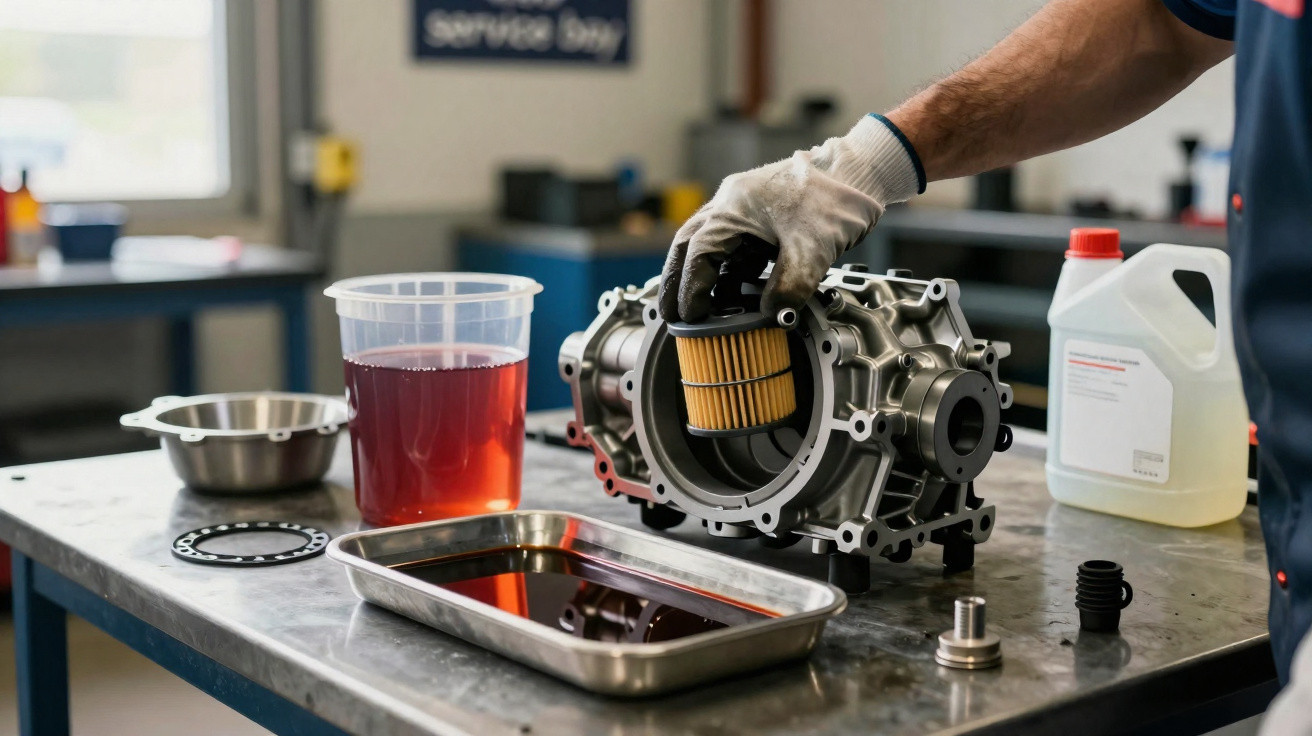
- changing engine oil, coolant and brake fluid;
- checking gearbox and differential lubricants;
- inspecting belts, hoses, seals and vacuum lines;
- fitting suitable modern tyres for any road or workshop movement;
- testing the cooling system, clutch and brakes before driving.
Keep removed original parts where practical, even if they are no longer safe to use. They can help establish the car’s history.
How collectors assess an untouched classic
Collectors and auction specialists usually look for consistency rather than one dramatic detail. A 20km odometer reading means little if the driver’s seat is worn, paintwork has been heavily refinished or key components have been substituted.
A thorough inspection may include chassis and engine numbers, component date stamps, paint thickness, panel fit, signs of corrosion, old repair work and the authenticity of the aerodynamic parts. A marque specialist can be particularly useful where rare trim or engine components are involved.
Useful evidence includes:
- registration and ownership records;
- sales paperwork and service documents;
- period photographs;
- factory release or dealer inspection material;
- invoices for storage, maintenance and recommissioning;
- clear photographs taken before, during and after any work.
A replica, modified example or restored car can still be enjoyable and valuable in its own right. It simply should not be presented as an untouched, delivery-mileage survivor.
Common mistakes with long-stored cars
Starting it repeatedly ‘just to see if it runs’
Repeated starting can circulate degraded fuel and old oil through an engine. Inspect the fuel, lubrication and cooling systems first.
Driving on old tyres
Tyres can look perfect while being unsafe internally. Fit modern replacements before any meaningful road use, and retain the originals as part of the car’s history.
Throwing away old parts and packaging
Original hoses, labels, packaging and removed components may help prove authenticity. Store them in dry, labelled containers.
Over-restoring everything
Fresh paint, replated fasteners and heavily detailed engine bays can erase evidence of originality. Conservation is often more appropriate than restoration.
Ignoring hidden corrosion
A dry-looking garage is not always a dry environment. Condensation can affect floors, wheelarches, screen surrounds, seams and suspension mounts. In Britain, damp storage and old salt residue are familiar concerns; any stored car deserves a proper underside inspection.
A practical lesson from the Walkinshaw
Whether this Walkinshaw remains a static preservation piece or returns to gentle use, its next owner should treat it as both a car and a historical object. Its originality is likely to be central to its appeal, but safety-critical systems must be assessed honestly.
The same approach applies to any inherited or rediscovered classic. Document it before touching it, verify its identity, preserve its paperwork, use an appropriate specialist and budget for careful recommissioning rather than a quick restart.
Time may have protected this unusually low-mileage Commodore, but patience will determine whether that preservation survives its next chapter.













Comments
No comments yet. Be the first to comment!
Leave a Comment