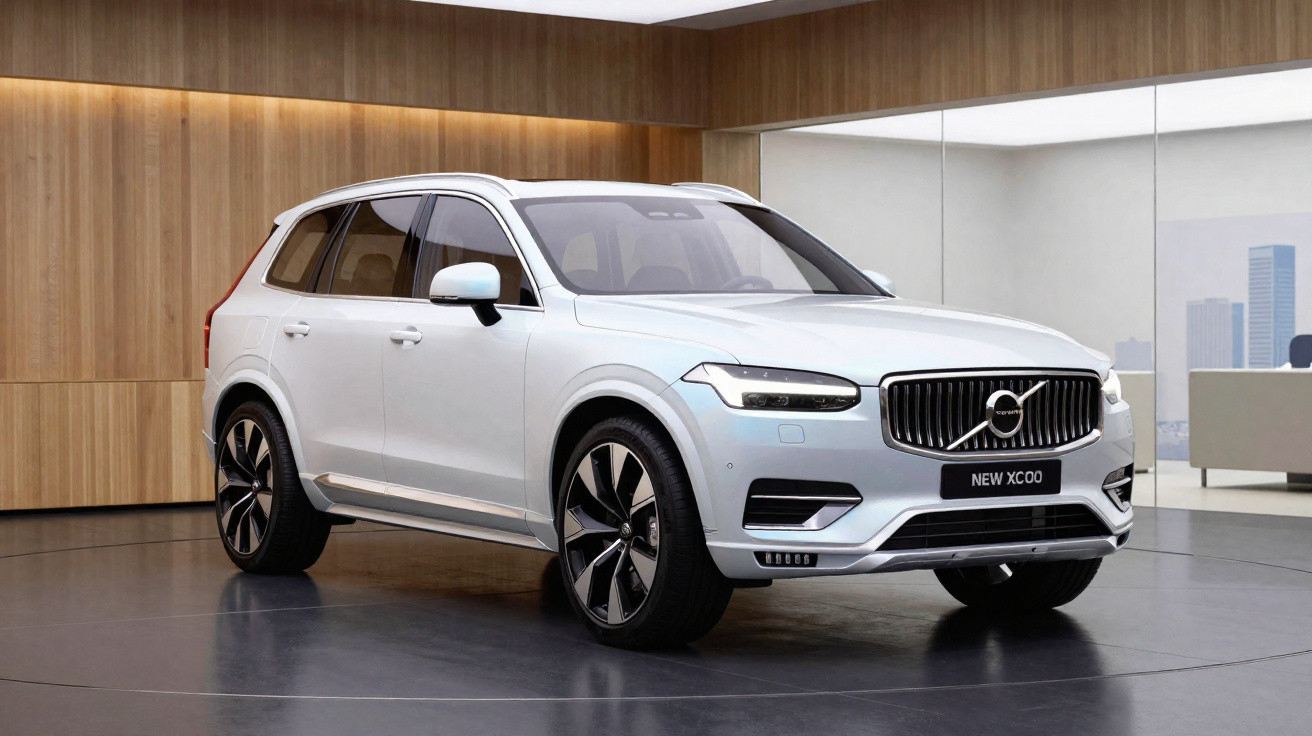
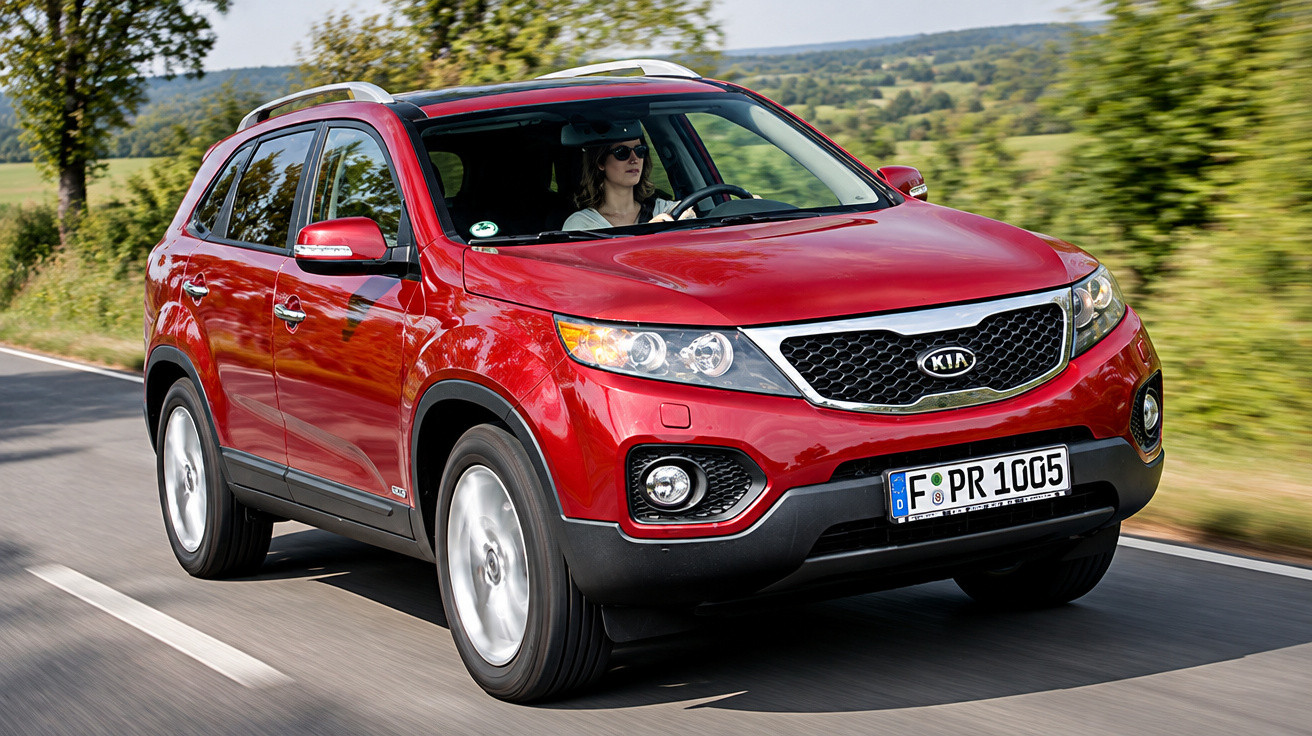
Following the update to the current-generation Volvo XC90, the brand has confirmed it will develop a new generation of the model, making clear that the SUV’s future is far from over.
When it reaches the market, it will sit alongside the EX90 as an alternative, using its own architecture rather than the one underpinning the fully electric model.
A new Volvo XC90 alongside the EX90
Håkan Samuelsson, Volvo’s chief executive, disclosed the plan, stressing the need to retain an XC90 with combustion-engine powertrains. Plug-in hybrids are particularly important, as demand for them continues to grow, especially in markets where full electrification is not yet practical.
The carmaker’s CEO did not provide a launch date, although the model is likely still several years away. As noted, plug-in hybrid versions will be the priority and, judging by the new XC70 - available exclusively in China - it may also offer substantially greater range than the current model.
Today’s XC90 plug-in hybrid uses an 18.8 kWh battery, providing up to 71 km of range. The XC70, however, features a much larger 39.6 kWh battery, with more than twice the capacity. It delivers 200 km of range, although that figure is measured under the Chinese CLTC approval cycle.
Which platform will the Volvo XC90 use?
The platform it will use also remains unclear. The current XC90 is based on the SPA (Scalable Product Architecture), which debuted in 2014 and underpinned the Swedish brand’s entire modern range. The EX90 uses the SPA2, which is reserved for electric vehicles, while the forthcoming EX60 will introduce the SPA3, likewise intended exclusively for electric cars.
Had Volvo’s full-electrification plans progressed as intended, the first-generation SPA platform would now be nearing retirement. That has not happened, raising the question of whether there is still scope to further develop it.
SMA platform as a possible alternative
Another possibility is the new XC70’s SMA (Scalable Modular Architecture) platform, which appears to be an evolution of the current CMA used by the more compact XC40/EX40 models. Volvo says it was developed specifically to accommodate plug-in hybrid powertrains with greater electric capability.
Rather than pursuing its original ambitious aim of becoming fully electric by 2030, Volvo now appears to be taking a more cautious approach and covering all bases. The XC90, which was not originally expected to continue for another generation, will remain in the range during the next decade, sold alongside the electric EX90.



Comments
No comments yet. Be the first to comment!
Leave a Comment