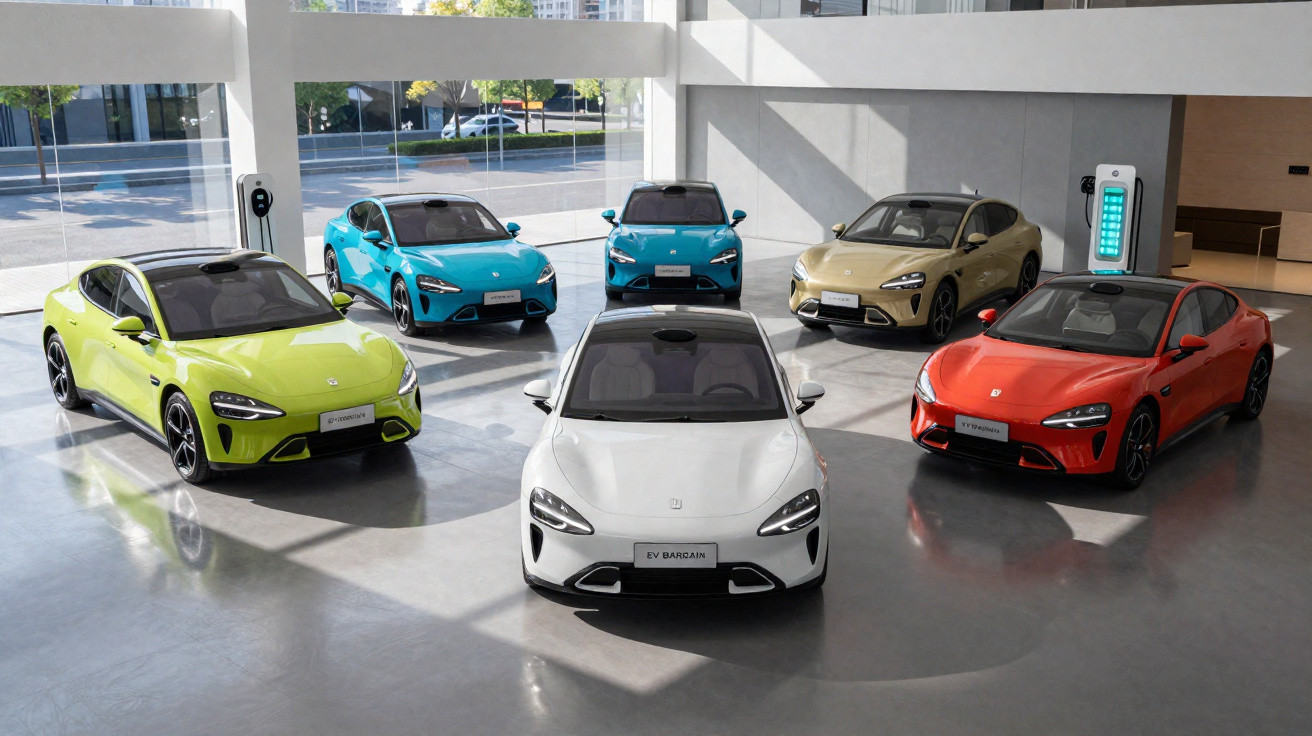
Quietly, aided by public incentives and cost-cutting, electric cars are beginning to reach price brackets that once seemed unthinkable.
Although many people still link the electric car with futuristic luxury, a new generation of affordable models is seeking to change that view. Established manufacturers and newcomer brands are competing for the title of “entry-level electric car”, reducing margins and simplifying equipment to lower list prices.
Cheap electric cars: from exception to tangible trend
For years, the price gap between an internal-combustion car and an electric car appeared impossible to bridge. Expensive batteries, limited output and little interest from manufacturers prevented any real prospect of mass adoption. That picture has started to shift thanks to industrial scale, Asian competition and stricter environmental targets in markets including Europe and China.
“Today’s cheapest electric cars compromise on power and luxury, but they provide a realistic route for people who want to move away from fossil fuels.”
At the lower end of the market, the priority is not sporty performance but cost per mile, ease of urban use and access to government incentives. These cars are designed for short- to medium-distance everyday journeys, for drivers willing to allow time for charging and keep an eye on their electricity bill.
1. Dacia Spring: the electric car that keeps it basic
Marketed as Europe’s cheapest electric car, the Dacia Spring captures the thinking behind this segment. Its design makes no attempt to impress with either its trim quality or technical specification. Its aim is straightforward: to provide a fully electric vehicle at the lowest possible price.
In entry-level Essential trim, the specification is deliberately limited. There is no large infotainment display, reversing camera or sophisticated seating. The equipment list concentrates on what is needed to drive legally and safely, without many comforts for the driver.
An electric motor producing around 70 bhp, paired with a battery of roughly 24 kWh, delivers close to 220 km of WLTP range, which is adequate for typical urban driving. In these circumstances, someone covering 40 to 50 km a day can go several days between charges.
“The Spring proves that an electric car can be simple, almost Spartan, yet financially viable for those seeking only basic mobility.”
One sensitive point is that rapid DC charging is often optional, or even unavailable, on the cheapest version. Owners must become accustomed to slower AC charging, normally carried out at home or at work.
2. Ultra-compact electric city cars: the Chinese brands’ response
Following the path opened by models such as the Spring, Chinese brands are pushing urban electric-car prices even lower. Their approach combines very small cars, well-equipped cabins and moderately sized batteries intended for city driving.
Generous equipment, controlled range
In this class, buyers will commonly find large screens, smartphone connectivity, parking sensors and even basic driver-assistance features such as lane-departure warning. In return, real-world range frequently sits between 200 and 300 km, with smaller batteries keeping both costs and weight down.
- Compact dimensions that make parking and manoeuvring easy
- A technology-led interior designed to appeal to younger buyers
- A medium-capacity battery focused on urban use
- Aggressive pricing compared with European and Japanese rivals
The stated target is drivers who currently use petrol-powered superminis for short daily trips, particularly in large cities with restrictions on polluting vehicles.
3. Family hatchbacks: the balance between price and versatility
Above the smallest urban electric cars sit hatchbacks and compact SUVs that aim to combine two benefits: a still-manageable price and enough interior space for a small family. These models usually use somewhat larger batteries, in the region of 40 to 50 kWh.
As a result, test-cycle range rises to around 300 to 400 km, although motorway driving and air conditioning use can reduce that figure in practice. The price increases, but so does versatility.
“For those who complete most journeys in town and travel only occasionally, compact electric cars can comfortably replace an internal-combustion car.”
In this category, buyers start to gain broader access to rapid DC charging, enabling a nearly empty battery to reach roughly 80% charge in just over half an hour, depending on the charger’s output.
4. Affordable saloons: designed for mixed town and motorway use
Another growing area is entry-level electric saloons, which seek to attract ride-hailing drivers, business users and families who cover significant motorway mileage. They are positioned below premium models, removing luxury items while retaining space and range.
These cars offer drivers a larger boot and a driving position better suited to spending long periods behind the wheel. Their aerodynamics generally support efficiency, giving them a slight range advantage over similarly sized SUVs.
| Car type | Typical range (WLTP) | Most common use |
|---|---|---|
| Ultra-compact city car | 180–250 km | Short urban journeys |
| Family compact | 300–400 km | Town driving and occasional trips |
| Affordable saloon | 350–450 km | Mixed use, including motorways |
5. Entry-level electric SUVs: fashionable looks, compressed costs
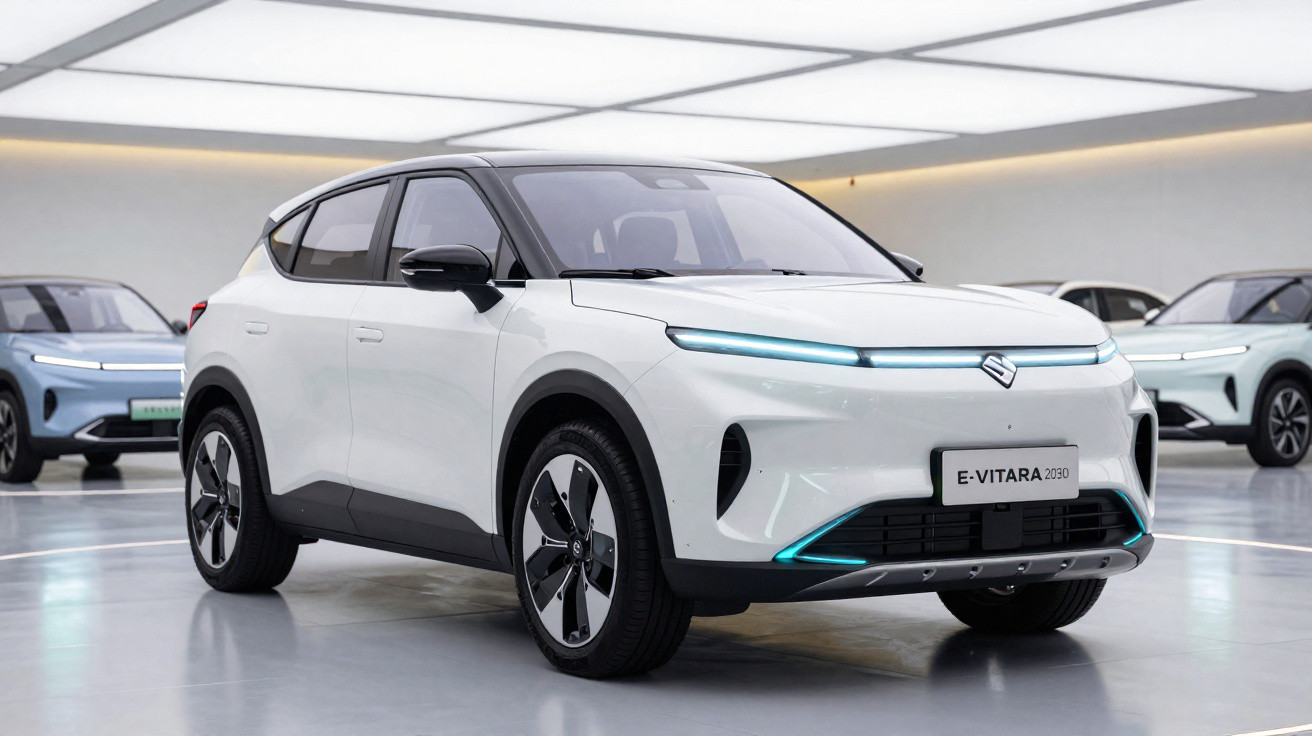
Even in the SUV class, which is associated with higher prices, options described as “entry-level” electric cars are beginning to emerge. The formula is familiar: a high-bodied vehicle, rugged styling, an elevated driving position and a simpler mechanical package than premium SUVs offer.
In these cases, batteries tend to be medium-sized to control costs. The brand focuses on perceived value by highlighting cabin room, safety and technology, while playing down compromises in trim materials or advanced driver-assistance systems.
“For many buyers, the visual appeal of an SUV makes up for slightly lower range and more restrained performance.”
What really matters: price, use and infrastructure
Before being drawn in by the lowest list price, it is worth weighing up charging costs, everyday driving patterns and the charging infrastructure available locally. A cheap electric car without a place to charge overnight can become frustrating, as it may depend on busy or expensive public charging points.
Three questions can help structure the assessment:
- How many kilometres do you drive each day on average?
- Can you install a slow charging point at home or at work?
- Do you regularly make long journeys?
Those who use their car mostly for urban travel, follow a predictable routine and have access to a socket are generally better suited to models with smaller batteries and a lower purchase price. By contrast, someone who drives on motorways every weekend may need to move up a price bracket for greater range and effective rapid charging.
Terms worth understanding before buying
Several concepts appear repeatedly in specifications and advertising:
WLTP range: this is a standardised estimate of how many kilometres a car can travel on a full battery under test conditions. In real life, heavy traffic, severe cold, intense heat and high speeds can all lower the figure.
kWh (kilowatt-hour): this indicates battery capacity, effectively the electric equivalent of fuel-tank size. The higher the kWh figure, the greater the potential range, but usually also the car’s price and weight.
Alternating current (AC) versus direct current (DC): AC charging is slower and typical at homes and residential buildings. DC charging, available at rapid-charging stations, can restore a substantial part of the battery more quickly, but depends on compatibility between the vehicle and the network.
Practical scenarios: when a cheap electric car makes sense
Consider a resident of a medium-sized town who drives 30 km a day, works fixed hours and has a covered parking space with a standard socket. For this profile, an affordable electric city car with a battery of around 25 kWh could provide more than enough capacity, using slow overnight charging while keeping electricity costs under control.
A family living in a metropolitan area and making 300 km trips every two weeks, however, would find greater reassurance in a family electric compact with a larger battery and rapid charging. The initial outlay rises, but the need for lengthy motorway stops falls, and the overall experience becomes closer to that of an internal-combustion car.


Comments
No comments yet. Be the first to comment!
Leave a Comment