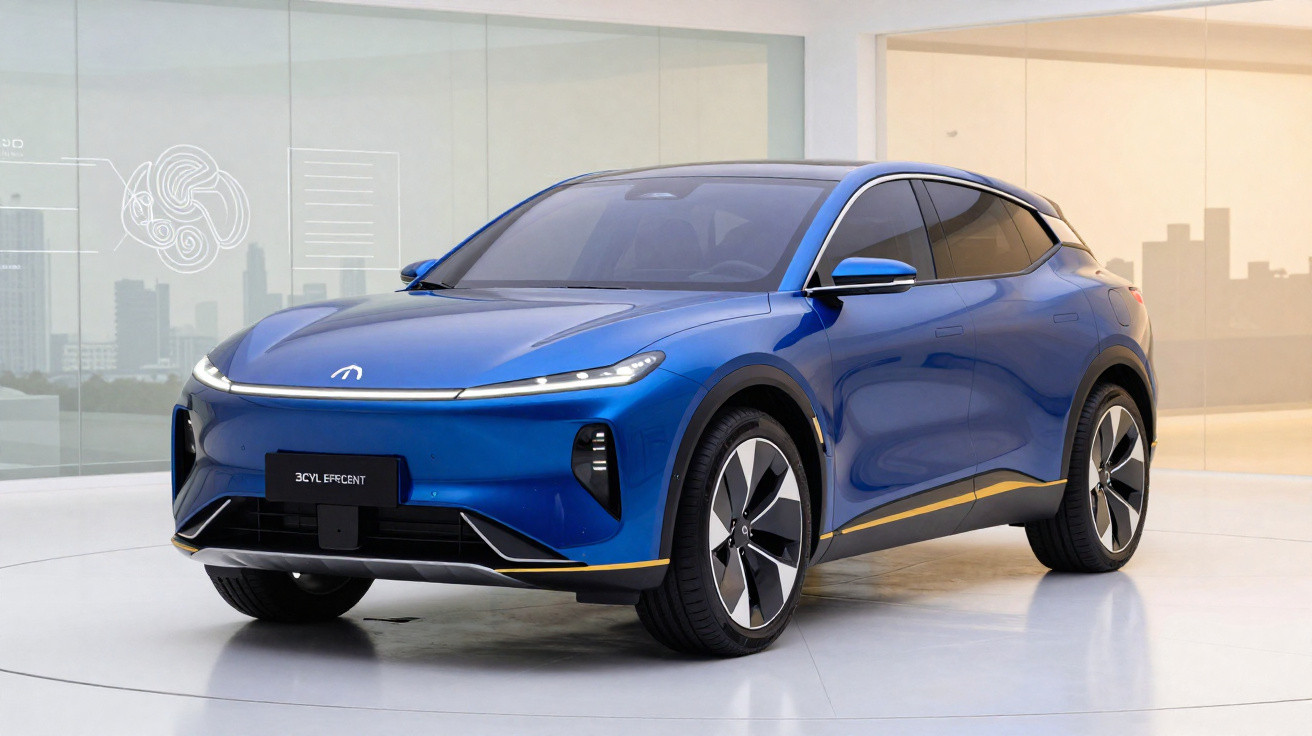
Three-cylinder engines now dominate specification sheets, deliver strong pull from low revs and use fuel sparingly.
Manufacturers are dealing with demanding emissions rules and escalating costs. Three-cylinder engines address both concerns through efficient packaging, low weight and genuine everyday economy. Turbocharging and mild-hybrid technology have helped them spread from hatchbacks to crossovers and even sportier versions.
Why three-cylinder engines are winning
With less metal, these engines weigh less and create less friction. Their smaller blocks reach operating temperature sooner, allowing them to spend longer in their cleanest running range. Engineers can also reduce the number of components and machining processes, lowering manufacturing costs without sacrificing performance.
Downsizing works when you add boost, precise fuel control, and clever timing. That trio turns a small unit into a flexible daily companion.
Crankshaft layout and firing sequence are important too. A contemporary three-cylinder has a 120° crank pin offset and fires evenly in a 1-2-3 sequence throughout the cycle. This produces torque smoothly enough for normal driving. Most manufacturers also use a compact balance shaft and optimised engine mounts to reduce vibration.
How three-cylinder efficiency works
A turbocharger increases low-rpm torque, allowing earlier gear changes and lower fuel use. Direct injection cools the intake charge and improves combustion precision, while variable valve timing enhances airflow throughout the rev range. Certain models add a 48V mild-hybrid system, providing a short torque boost and more effective stop-start operation.
- Rapid warm-up cuts cold-start emissions, an urban-driving problem.
- Having fewer cylinders reduces pumping and friction losses when cruising.
- Their compact dimensions leave room for crash protection and hybrid hardware.
- Reduced development and manufacturing costs can help contain prices.
The appeal isn’t only the lab numbers. Drivers notice easy pull in traffic, relaxed cruising, and lower fuel bills.
Our 3 stand-out engines
Ford Puma 1.0 EcoBoost (125 hp)
Ford's 999 cc three-cylinder is widely regarded as an industry reference point. In the Puma crossover, the 125 hp version combines lively throttle response with light steering and a well-sorted chassis. Its quoted top speed of 191 km/h demonstrates just how capable these compact engines have become.
The distinction comes from Ford's calibration. The turbocharger responds early, making the engine feel keen below 2,000 rpm. Many trims also include mild-hybrid assistance, which makes stop-start transitions smoother and supports the turbo during brief periods of reduced boost.
Ford’s 1.0 EcoBoost shows why character matters. It feels eager in town and unbothered on a motorway run.
Once it has warmed through, noise and vibration are well managed. At idle, there is a noticeable thrum rather than a rattle. Keeping it in the mid-range provides a strong compromise between performance and economy, exactly where most owners will use it.
Skoda Kamiq 1.0 TSI (95 or 116 hp)
Skoda offers its 999 cc TSI in two power outputs for different types of driver. The 95 hp model is intended for unhurried urban driving, while the 116 hp version reaches motorway speeds with ease and has a quoted 196 km/h top speed. Reported consumption can be as low as 5.4 l/100 km, roughly mid-40s mpg US or just over 52 mpg UK.
Refinement is its principal strength. The TSI has a mature character, building torque progressively and working easily with either the DSG or manual gearbox. Skoda's soundproofing and gearing allow the engine to settle into quiet motorway cruising, helping to limit fatigue on longer journeys.
The 1.0 TSI proves small can feel grown-up. It majors on smoothness, not theatrics.
Ownership costs remain approachable. Servicing is uncomplicated, while the engine's widespread use within the VW Group supports parts availability and long-term backing.
Hyundai i20 1.0 T-GDi (100 hp, available with mild hybrid)
Hyundai's 1.0-litre T‑GDi provides clear, accessible torque and responsive throttle calibration for town and suburban journeys. In 100 hp guise, it suits the i20's low weight and neat suspension setup, helping the car feel nimble without forcing the engine to work hard.
Its mild-hybrid version is particularly notable. The compact 48V system adds a modest contribution when setting off, restarts smoothly at junctions and reduces fuel consumption during steady running. The change is not dramatic, but it gives the powertrain greater flexibility and saves fuel in stop-start traffic.
Pairing a three-cylinder with a 48V system adds polish: quicker restarts and a hint of extra shove when you need it.
The i20's accessible gearing and clear instruments make efficient driving easier. Keep the engine in its optimum range and it rewards a restrained right foot.
What drivers notice on the road
Today's three-cylinder engines perform best on mid-range torque rather than high revs. Shorter ratios help them get moving quickly, while taller top gears hold revs down on a dual carriageway. The strongest examples disguise their cylinder count through careful calibration and effective noise suppression.
- In town: fast low-end response helps exploit gaps in traffic and limits downshifts.
- On motorways: lower cruising revs improve both comfort and economy.
- On hills: turbo torque delivers short bursts of acceleration without needing to reach the redline.
Key tech terms to know
Downsizing: designing a smaller engine to provide the output of a larger unit through turbocharging and accurate combustion management. Three-cylinder engines naturally suit this approach.
Mild hybrid: a 48V system using a compact motor-generator. It cannot power the car on its own, but it assists the engine when pulling away and recovers energy during coasting or braking.
Buying tips and practical checks
Arrange a thorough test drive. Let the engine warm up completely before assessing idle refinement, low-rpm response and motorway composure. A strong three-cylinder should remain settled at 70 mph and pull smoothly from 1,500 to 2,000 rpm without excessive vibration.
Listen for knocking during a cold start and review the service record. Small turbocharged engines benefit from fresh oil and regular filter replacements. After a demanding drive, allow the turbocharger a short period to cool. On mild-hybrid models, make sure stop-start functions cleanly and the 12V battery is in good condition, as low voltage can make restarts less smooth.
Where three-cylinder engines shine next
Tight Euro emissions regulations continue to push the market towards smaller turbocharged engines with intelligent electrification. Further improvements are likely from variable-geometry turbines for petrol engines, better particulate filters and more advanced thermal management that shortens winter warm-up times.
For everyday drivers, the advantages are clear. These engines feel agile, reduce fuel spending and fit naturally into compact crossovers and superminis. The Ford Puma 1.0 EcoBoost, Skoda Kamiq 1.0 TSI and Hyundai i20 1.0 T‑GDi demonstrate three approaches to fulfilling that brief: playful calibration, refined polish and hybrid sophistication.








Comments
No comments yet. Be the first to comment!
Leave a Comment