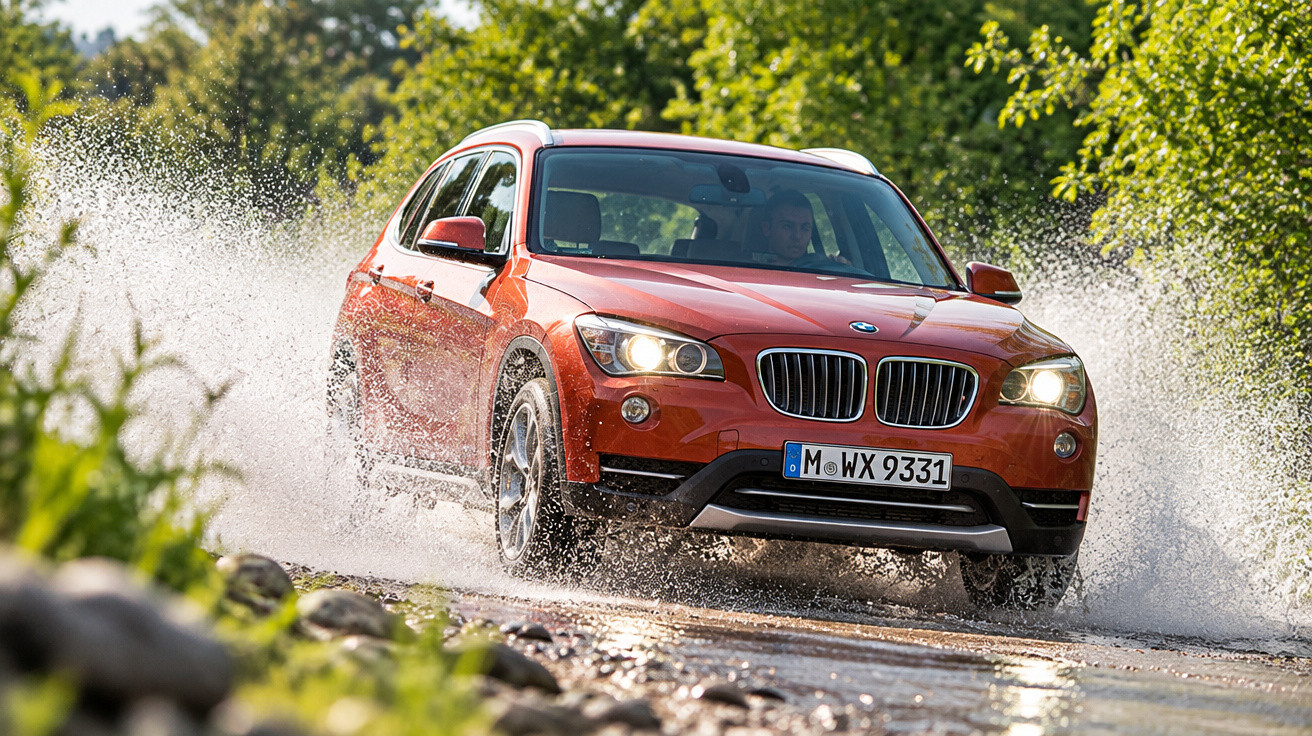
The BMW X1 is the sort of car that scarcely registers. It seems unsure of its own identity: taller than an estate, though only just, yet neither lofty nor tough-looking enough to pass as an SUV. We wondered who would ever choose one.
Once again, though, we had judged it completely wrongly. BMW itself was taken aback by its success, as around 300,000 have found buyers in two and a half years. Production has now begun in China, and it is heading to the USA for the first time. To mark the occasion, BMW has given it a facelift.
BMW X1 facelift changes
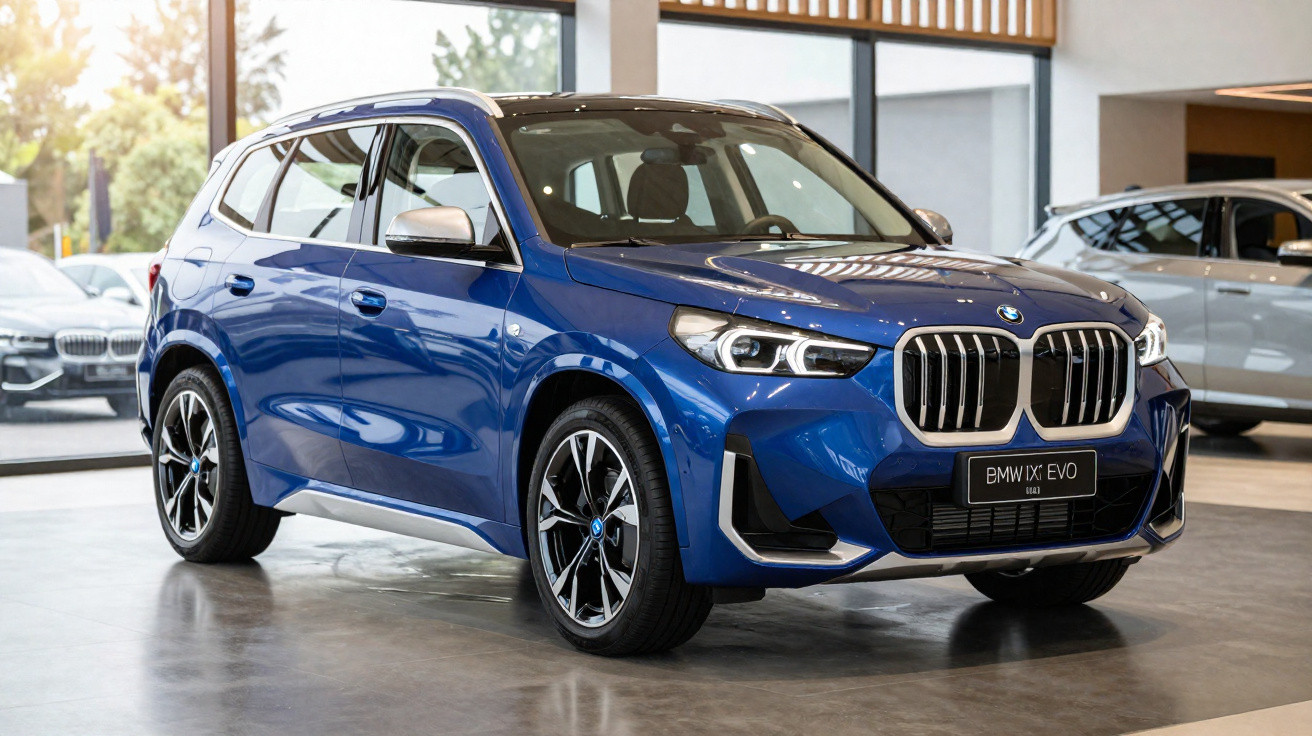
Missed the updates? Fair enough. The front and rear bumpers have been subtly reshaped, with slightly more body-coloured paint and greater emphasis on the faux plastic undertrays. The headlamps have also become fractionally more glitzy.
Gallery: the new BMW X1
In the cabin, the centre console now points more towards the driver, while additional gloss-black surfaces and aluminium-effect trim have been added. Unless you own the previous model, you are unlikely to spot the difference.
The significant changes concern the engines. BMW UK does not offer the X1 with a petrol engine, leaving a choice of four updated 2.0-litre diesels: the 18d, 20d, 20d EfficientDynamics and 25d. The first two are available with either rear-wheel drive, identified as sDrive, or four-wheel drive, called xDrive. The EfficientDynamics model comes solely with rear-wheel drive and a manual gearbox; it is respectably quick while dropping below 120g/km, making it impressively economical.
At the top of the range, the 25d is offered only with xDrive. That is the version tested here. Its twin-turbo engine produces a healthy 218bhp, and it now receives an eight-speed automatic 'box in place of the former six-speed unit. An optional xLine trim package is also available. The price is £31,860.
So, it is the X1 25d xDrive xLine. Are there enough Xs there for you?
BMW X1 25d xDrive xLine on the road
The engine has plenty of muscle, and performance is particularly strong when the transmission is set to Sport mode. Yet it is unexpectedly gruff. Even while cruising at 113 km/h, the clumsy diesel note filters into the cabin. That is disappointing.
The X1 does at least turn in neatly and remains settled through bends. However, there is another drawback: its ride is unsettled. Wind noise at higher speeds is also more intrusive than expected from a car originating in the land of the Autobahn. Despite the supportive seats and reasonably generous interior space, this is not a particularly capable long-distance BMW.
Then again, what purpose does the X1 serve? It is certainly not intended for off-roading: its suspension consists simply of previous-generation 3 Series components, with a little extra ground clearance but no added reinforcement. Nor does it offer the elevated driving position associated with most SUVs. Most customers will choose the rear-wheel-drive versions, too, so they may look rather foolish in snow when their “SUVs” are stuck and Fiestas are driving past.
Perhaps buyers simply cannot bring themselves to own an estate, fearing it makes them resemble office-equipment salesmen. But they are missing out. The next-generation 3 Series Touring arrives in September. Faced with that or an X1, the choice is obvious.



Comments
No comments yet. Be the first to comment!
Leave a Comment